Press
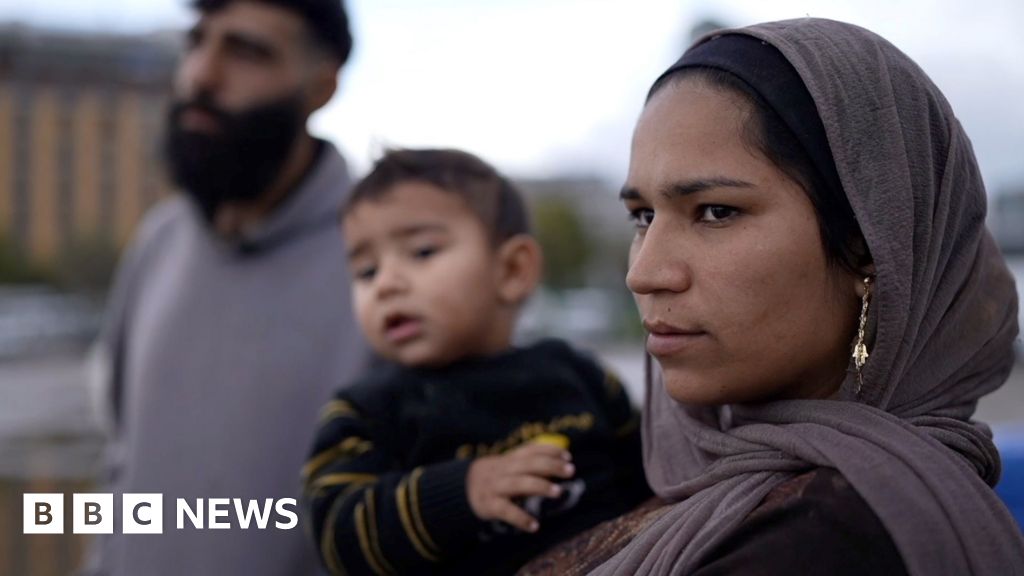
'Our home is gone': BBC speaks to displaced families in Lebanon
Images
1 / 20

2 / 20
3 / 20
4 / 20
5 / 20
6 / 20
7 / 20
8 / 20
9 / 20
10 / 20
11 / 20
12 / 20
13 / 20
14 / 20
15 / 20
16 / 20
17 / 20
18 / 20
19 / 20
20 / 20
More than a million people have been displaced in Lebanon as the US-Israel war with Iran continues to impact the wider region.

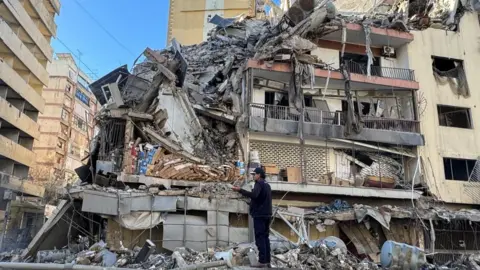
It comes after Israel issued evacuation orders for large parts of the south. Israel intensified its campaign against the Iran-backed armed group Hezbollah in Lebanon after it fired rockets into northern Israel earlier this month. Hezbollah has continued firing rockets at Israel since then.

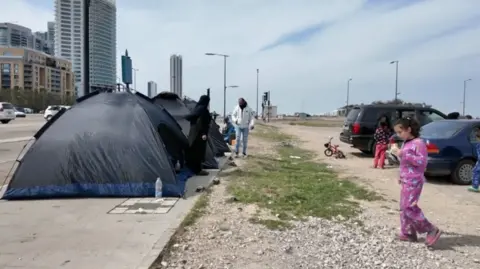
With shelters overwhelmed, many families are sleeping in their cars or in open areas in makeshift tents, under extreme weather conditions. Among them children and pregnant women.

Most of the families have come from areas where Hezbollah enjoys significant support including Beirut's southern suburbs known as Dahieh.

One child told the BBC he felt "ashamed" to be sleeping in the streets after his family were forced to flee their home in Beirut.

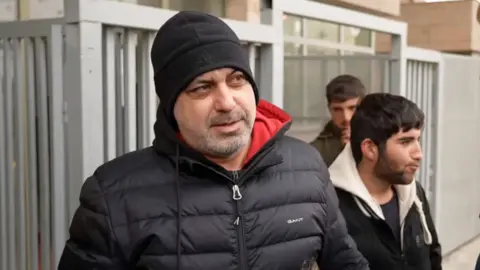
The BBC's Middle East Correspondent, Hugo Bachega, spoke to some of the hundreds of displaced families about the reality of living in Lebanon amid the conflict.

Filmed and edited by Neha Sharma

Produced by Samantha Granville, Neha Sharma and Angie Mrad

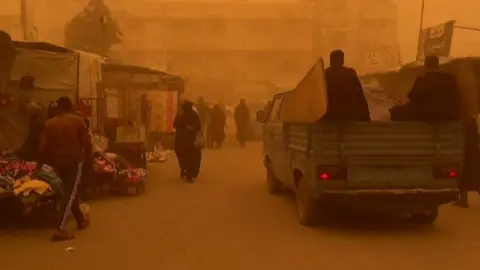
Displaced Palestinians were told to secure their tents to prevent them being blown away as a storm swept through the enclave.

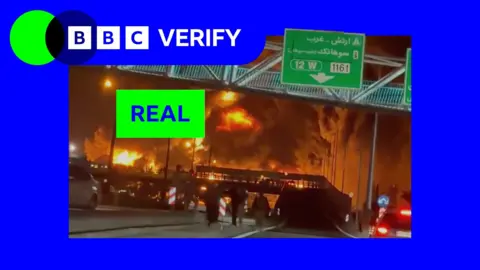
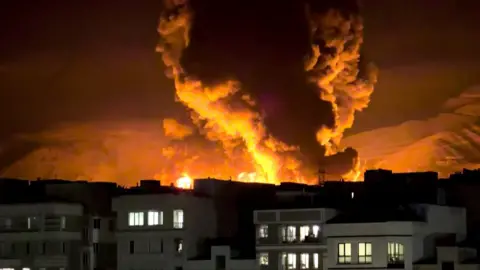
BBC Verify explains how we verified a video of a fire at an oil depot in Iran.

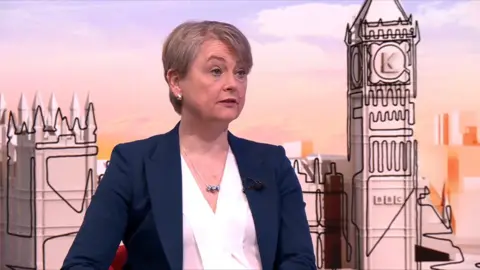
Foreign Secretary Yvette Cooper has hit back at President Trump's criticism of the UK response to the conflict in Iran.

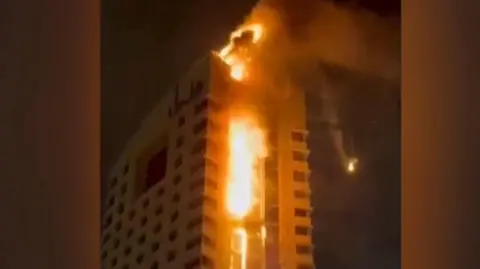
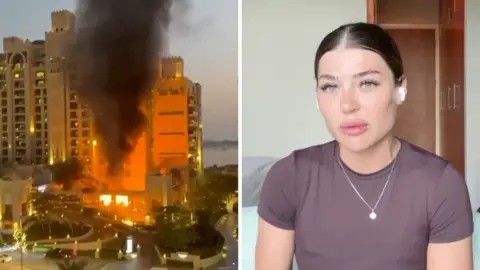
Footage shows flames tearing through the building in the early hours of Sunday, following more attacks on the gulf state.

Social media footage shows flames leaping into the air and plumes of smoke above the city's skyline.

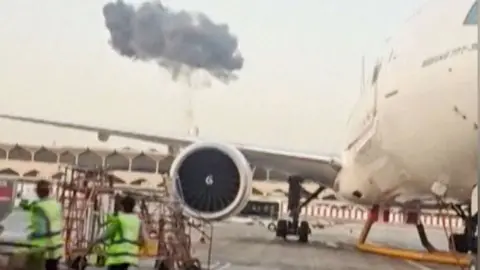
Video filmed by a witness and verified by the BBC shows a drone crashing close to the airport.

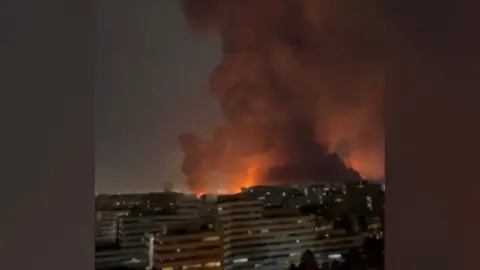
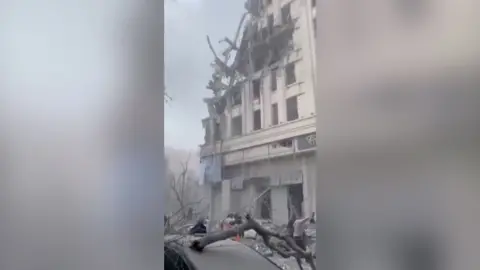
Explosions rocked the capital overnight as its busiest airport was hit by airstrikes.

Some residents in the Beirut suburb of Dahieh have left their homes amid ongoing air strikes by Israel.

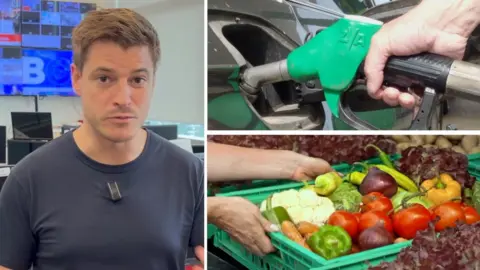
The BBC's Nick Marsh examines how unrest in the Middle East will impact living costs around the world.

Iranians fleeing their country have told the BBC what life under bombardment has been like.

The Israeli military said it began "a wave of strikes” hours after telling civilians living in a large swathe of southern Lebanon to leave their homes immediately.

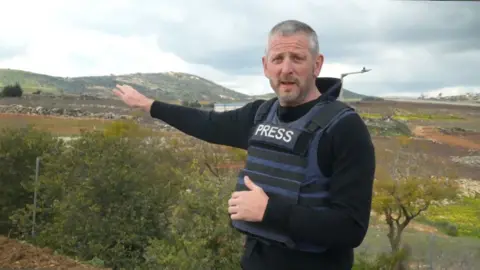
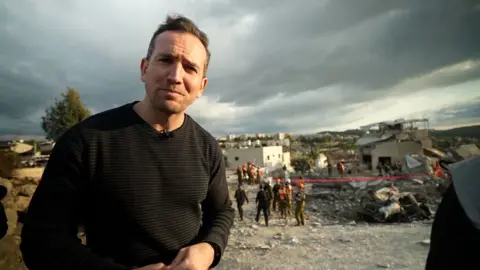
From the Israeli town of Metula on the border with Lebanon, the BBC's Jon Donnison heard what sounded like a full-on gun battle.

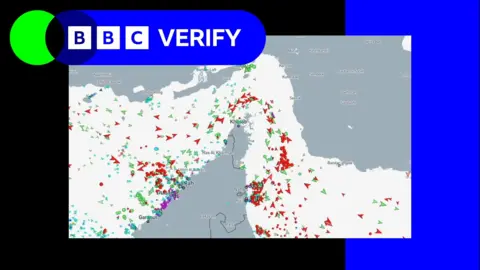
Ben Chu has been looking at what’s happened to marine traffic in the Strait of Hormuz, a key trade passage.

The UK Government advised British nationals to "shelter in place and register your presence" with all flights from Dubai suspended until further notice.

Strikes on Iran's capital, Tehran, continue after the initial combat operations were jointly launched by the US and Israel on 28 February.

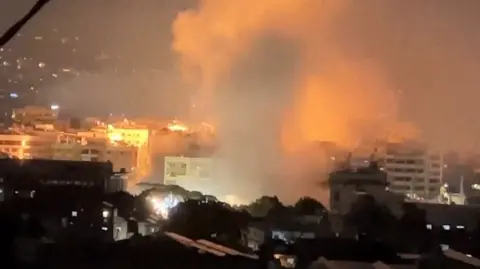
Explosions and rising smoke can be seen in Beirut after Israel began striking what it says are Hezbollah targets in the country.

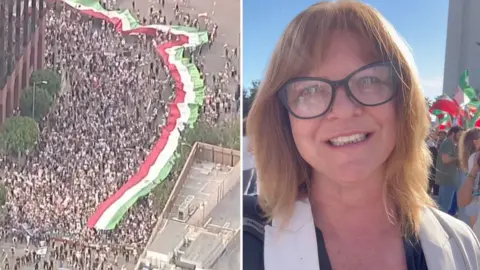
Iranian Americans in Los Angeles dance in the streets on day two of the conflict.

At least nine people have been killed and 27 injured in a missile strike on the Israeli city of Beit Shemesh, emergency services say.

After Iran's Supreme Leader Ayatollah Ali Khamenei was killed in his office on Saturday morning during a US-Israel attack, there were celebrations in several cities.

Iran launched retaliatory attacks in the Middle East after US-Israel strikes across the country.