yahoo Press
Scientists Found Evidence of Ice Age Humans Where It Shouldn’t Have Been
Images
1 / 10
2 / 10

3 / 10

4 / 10

5 / 10

6 / 10
7 / 10

8 / 10

9 / 10

10 / 10
Here’s what you’ll learn when you read this story:

Research reveals that Serbian cave systems show evidence of human occupation during the second half of the last ice age.

Humans may have been occupying these caves in the Balkans at a time when other parts of the region were uninhabited.

These caves served as short-term homes, a fact we didn’t know about until now.

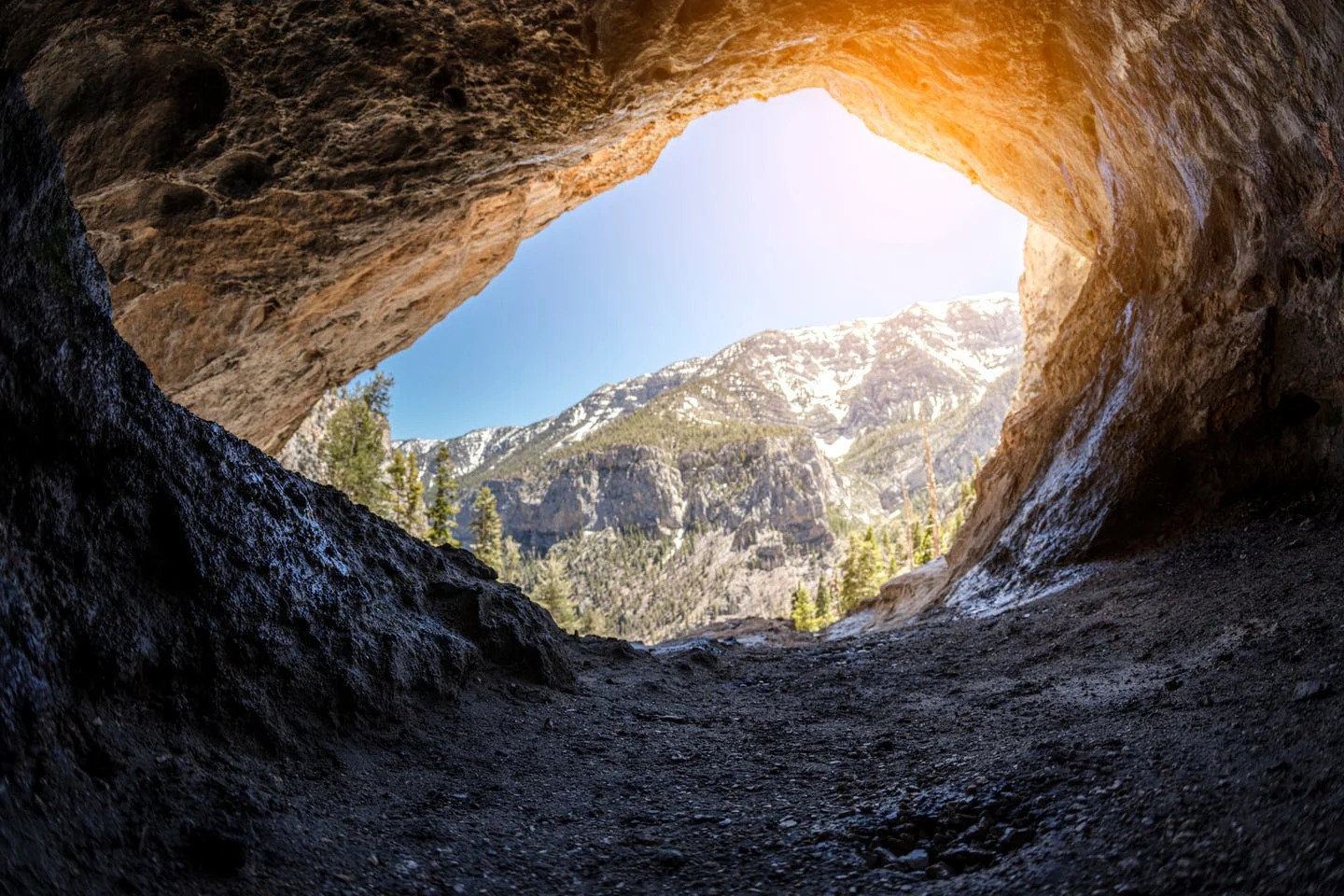
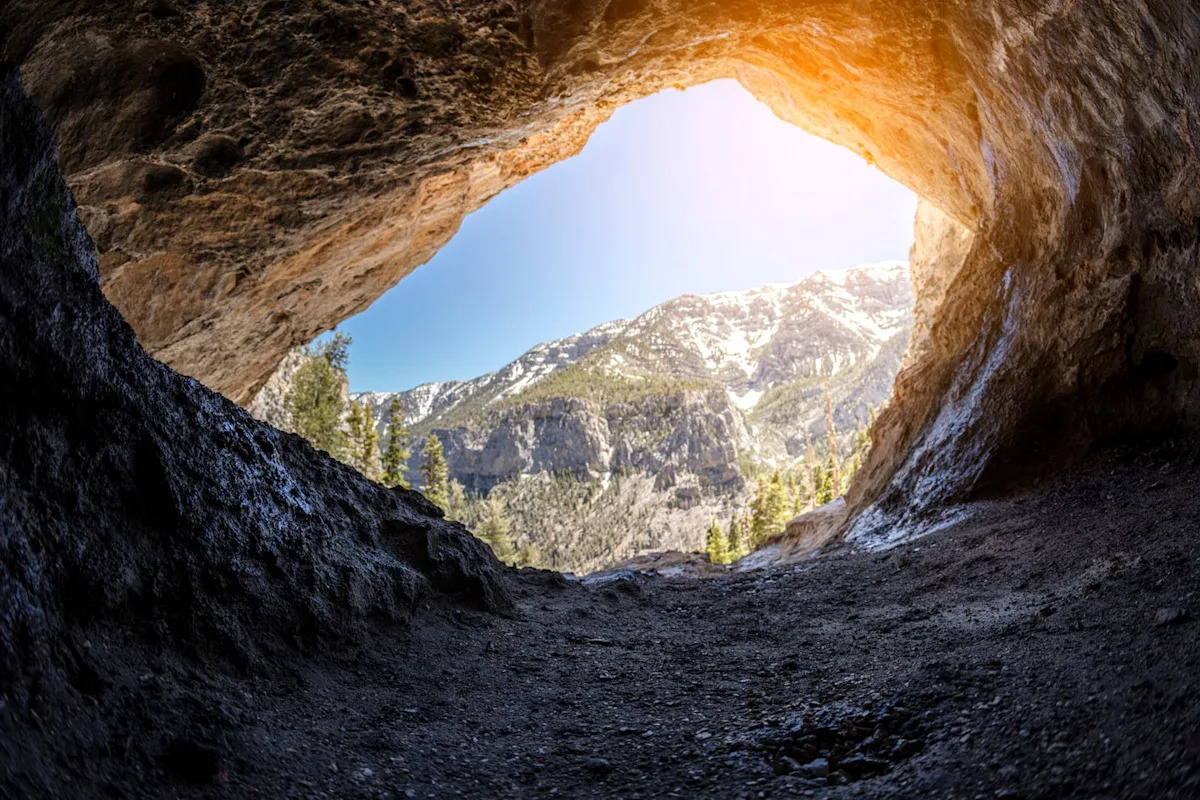
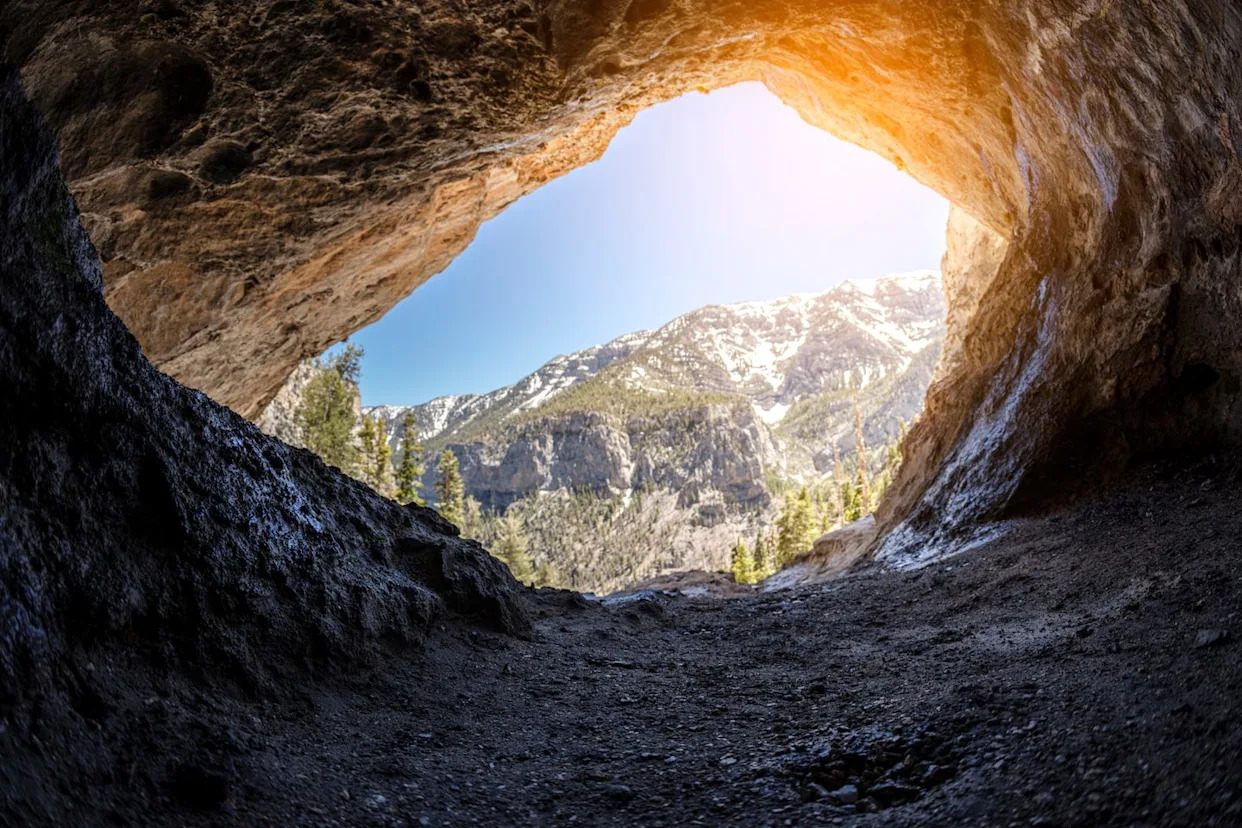
During the coldest part of our ancient history, humans survived by tucking themselves into caves in the central Balkans, showing a resilience previously unknown to researchers and opening a fresh perspective on human geographic flexibility.

In a new study published in Quaternary, an international research team excavated caves in the mountains of Serbia, finding evidence of human occupation there during the second half of the glacial peak between 25,000 and 19,000 years ago.

This human occupation during the Marine Isotope Stage 2, or the last glacial maximum, indicates the central Balkans functioned as a sort of geological refuge for humans during this harsh ecological extreme. During an era when ice sheets blanketed Europe and a bitterly cold steppe-tundra stretched across the continent, human populations plummeted, and those who did survive often clustered together in mild coastal refuges near the Mediterranean—and apparently, according to this discovery, also in the rugged mountains of Serbia.

The team excavated three cave sites in the limestone gorges and river valleys of the Morava River basin, finding clues that the population in the caves may have been sparsely distributed and were short-term inhabitants. Combined with information from Adriatic Sea occupations, researchers now believe humans bounced between the two sites.

The three investigated sites are all classified by the authors as small-to-medium-sized caves, situated in narrow, protected canyons formed by tributaries to larger rivers, a pattern seen elsewhere in eastern Europe. With the density of archaeological material relatively low in all three sites, the main artifact finds were retouched pieces of tools and versions of blades and bladelets (a small blade, as you may have guessed).

“The high proportion of bladelets suggests the presence and maintenance of armatures with microlithic inserts,” the authors wrote. “It is common to assume that such composite tools were mainly hunting weapons, but in fact a much broader range of functions are possible.”

The Velika Pecina cave features a central chamber 23 feet wide and 26 feet deep, although it does include a complex cavity along the near-vertical limestone cliff on the north bank of the Crna Reka (Black River). The team found a small, yet diverse, collection of bone artifacts in the cave, including two fine awls or needles, both missing the bases, as well as fragments of worked bone, antler, and ivory.

The larger cliffside Velika Vranovica cave, which the team needed climbing equipment to enter, has a single chamber 131 feet deep with a sloping floor that includes a series of shallow rock shelters. Inside, excavations revealed chipped stone artifacts. The presence of bison, ibex, and lynx bones bearing signs of predation suggests that animals may have used the cave as a den.

The third cave, Pecina kod Stene, is located in a narrow, twisting canyon that features slender passages and multiple small chambers, in which the team found fragments of retouched bladelets.

As local environments responded to changing global climates, human populations reacted, moving in and out of regions as food availability and the environment either allowed or dictated. The cave evidence indicates a previously unknown human mobility during the ice age, linking human populations to landscapes that fit hunter-gatherer needs at a given moment in time. However, with each site featuring a different mix of tools, these specific locations likely served varying roles for the broader group of mobile hunter-gatherers. Taken together, the findings bolster the case that the central Balkans served as a glacial refugium not only for plants and animals but for human populations as well, with its rugged topography and ecological diversity offering pockets of habitable landscape even at the height of the ice age. Further excavation and dating of these and other cave sites across the region could reveal just how continuously—or intermittently—people clung to this corner of Europe when much of the continent was locked under ice.

You Might Also Like

20 Cars That Were Massively Improved by a Redesign

Going on Vacation? These Appliances Need to Be Unplugged Before You Leave the House

Roborock Reigns Supreme for Robot Vacuums, but We Also Loved These Other Models