yahoo Press
Airlines Were Always the Answer, and One Platform Is Proving It
Images
1 / 6
2 / 6

3 / 6

4 / 6
5 / 6

6 / 6
Cross-border e-commerce has too many complexities that impact speed and price, but there is a solution.

Global online retail is on track to surpass $8 trillion in 2026, and cross-border transactions are growing at nearly twice the rate of domestic e-commerce. Nearly 60% of global shoppers now purchase from retailers outside their home country. Yet despite the sophistication of modern digital storefronts, the logistics behind international parcel delivery remains fragmented, slow, and often opaque. That disconnect between digital commerce and physical delivery is exactly the gap that SmartKargo was built to close.

SmartKargo’s platform was designed specifically for airlines looking to participate more directly in e-commerce logistics. The company’s technology supports three core product areas: cargo ERP systems that modernize airline cargo operations, domestic e-commerce delivery networks such as Delta Cargo’s DeliverDirect, and cross-border e-commerce solutions that allow airlines to move international parcels quickly and transparently. Together, these capabilities transform airline cargo capacity into a structured logistics platform that can support the growing demands of global digital commerce.

Airlines have always had the physical infrastructure required to move parcels quickly across continents. What they historically lacked was the digital infrastructure required to manage millions of small parcels efficiently. Air cargo systems were built around palletized freight and forwarder-driven bookings, not the high-volume, consumer-facing parcel flows generated by e-commerce.

SmartKargo’s platform bridges that gap by integrating booking APIs, automated customs documentation, routing optimization, and real-time milestone tracking into a single operational system for airlines. The result is a logistics network that can support modern e-commerce expectations for transparency and predictable delivery times.

Consumer expectations for delivery speed and transparency are being set by domestic benchmarks. Domestic shoppers in London, New York, and São Paulo have been trained by same-day and next-day delivery to expect near-instant gratification. When they buy from a brand on another continent, they carry those expectations with them. The gap between what they expect and what they experience is where cart abandonment, bad reviews, and lost customer lifetime value live.

The traditional cross-border parcel journey involves a disorienting number of handoffs. A package might leave a fulfillment center, move to a consolidator, get passed to a freight forwarder, fly on whatever carrier has space, clear customs through a broker who may or may not have pre-filed documentation, then get handed to a local last-mile provider the shipper has never heard of. At every junction, there’s inherently some degradation of visibility and transit speed. Delivery is now a conversion lever, and the smarter brands have noticed.

The launch of IAG Cargo’s deliver-e is one of the clearest demonstrations of this new model in action.

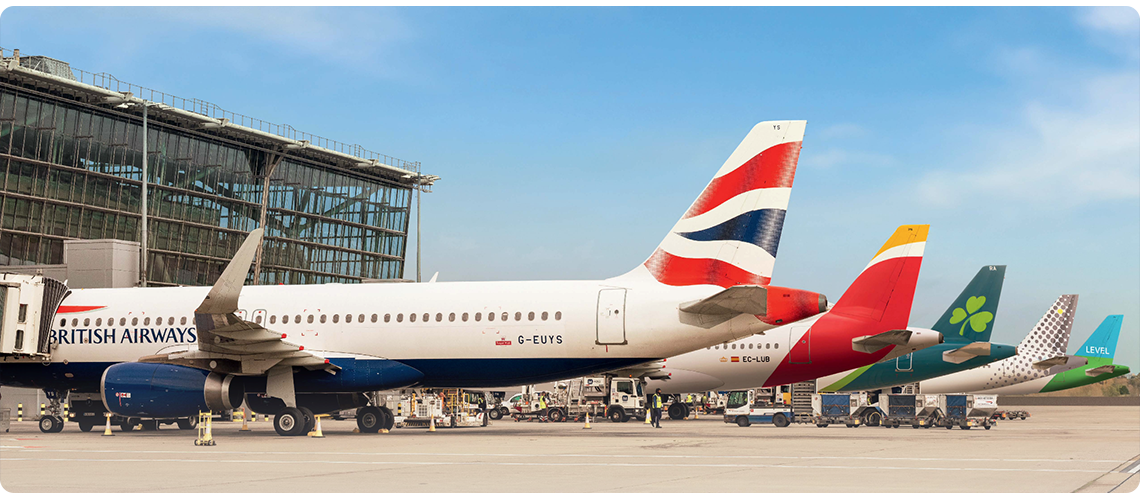
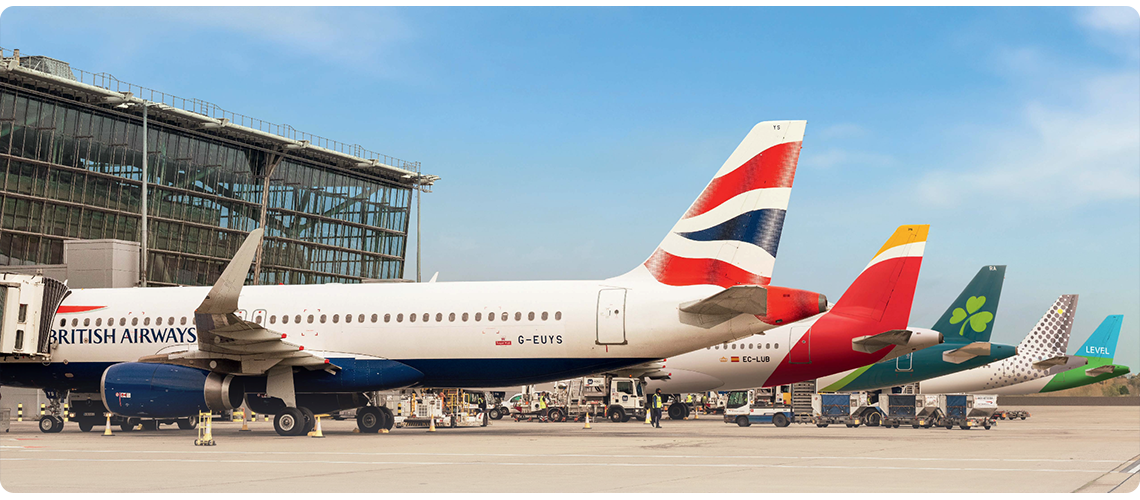
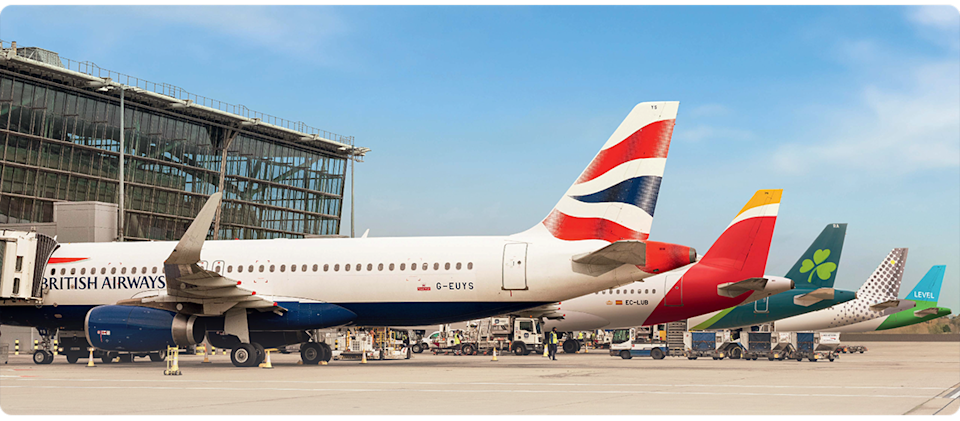
Powered by SmartKargo, deliver-e transforms the belly-hold capacity of airlines such as British Airways, Iberia, Aer Lingus, Vueling, and LEVEL into a unified cross-border parcel delivery network reaching more than 250 global destinations. Instead of relying on fragmented logistics chains, parcels move through a streamlined airline-centric workflow designed specifically for e-commerce.

For retailers and brands, the process is intentionally simple. A merchant ships parcels from its fulfillment center, where deliver-e manages first-mile collection and routing. Parcels are then loaded onto the optimal IAG Cargo flight based on destination and available capacity. Customs documentation is generated and pre-filed digitally, reducing border delays, and the shipment is handed to a vetted last-mile delivery partner upon arrival in the destination market. The result is predictable three-to-six-day delivery across major international lanes.

Equally important is the transparency the system provides. Every milestone (from parcel acceptance and flight departure to customs release and final delivery) is captured digitally and transmitted back to retailers through API integrations. Consumers experience a seamless tracking journey that feels more like domestic delivery than the fragmented cross-border processes of the past. Pricing is also designed around simplicity, with transparent rates and no hidden accessorial fees.

Through deliver-e, airlines are participating in e-commerce in unprecedented ways. Instead of treating parcels as opportunistic freight filling empty cargo space, airlines are beginning to build structured parcel products supported by digital infrastructure.

Emirates Courier Express is another compelling example of this trend. Launched in 2025 and also developed in collaboration with SmartKargo, the service leverages Emirates’ fleet of more than 250 widebody aircraft to offer door-to-door parcel delivery with average transit times under 48 hours.

Starting in seven markets with plans to expand wherever Emirates flies, the service reinforces a growing recognition across the aviation sector that e-commerce parcels are a major long-term cargo opportunity. Now, airline-powered delivery can compete directly with traditional integrator models.

SmartKargo’s client roster extends further still. Delta Cargo launched DeliverDirect for the U.S. domestic market on SmartKargo’s platform. Azul Cargo Express has built a thriving e-commerce delivery business in Brazil using the same technology. The pattern is consistent: airlines that invest in digital cargo capabilities are unlocking commercial opportunities that legacy systems simply couldn’t support.

Cross-border e-commerce is expected to grow at a compound annual rate exceeding 15% through the end of the decade. Many brands now expect international markets to account for 20-30% of total online revenue in the coming years. But success in cross-border retail depends heavily on logistics performance. Faster shipping, predictable costs, simplified customs processes, and end-to-end tracking are now essential components of a brand’s international growth strategy.

Airline-powered delivery models address those needs by combining global aviation infrastructure with modern logistics technology. Rather than reinventing global supply chains, they unlock the latent potential already sitting in airline networks and apply the digital intelligence required to make those networks work for e-commerce.

SmartKargo has set out to prove that with the right technology, airlines become formidable e-commerce logistics providers. For companies like IAG Cargo and Emirates, it’s a new revenue stream and a competitive differentiator.

For the brands and consumers on either end of the transaction, it’s simpler and more valuable than either of those things.

It’s a package that actually arrives when you expect it to.

Click here to learn more about deliver-e.

The post Airlines Were Always the Answer, and One Platform Is Proving It appeared first on FreightWaves.