yahoo Press
Mom, 71, lost $600K to a scam 10 years ago and gave financial control to her daughter — who now refuses to give it back
Images
1 / 4
2 / 4

3 / 4

4 / 4
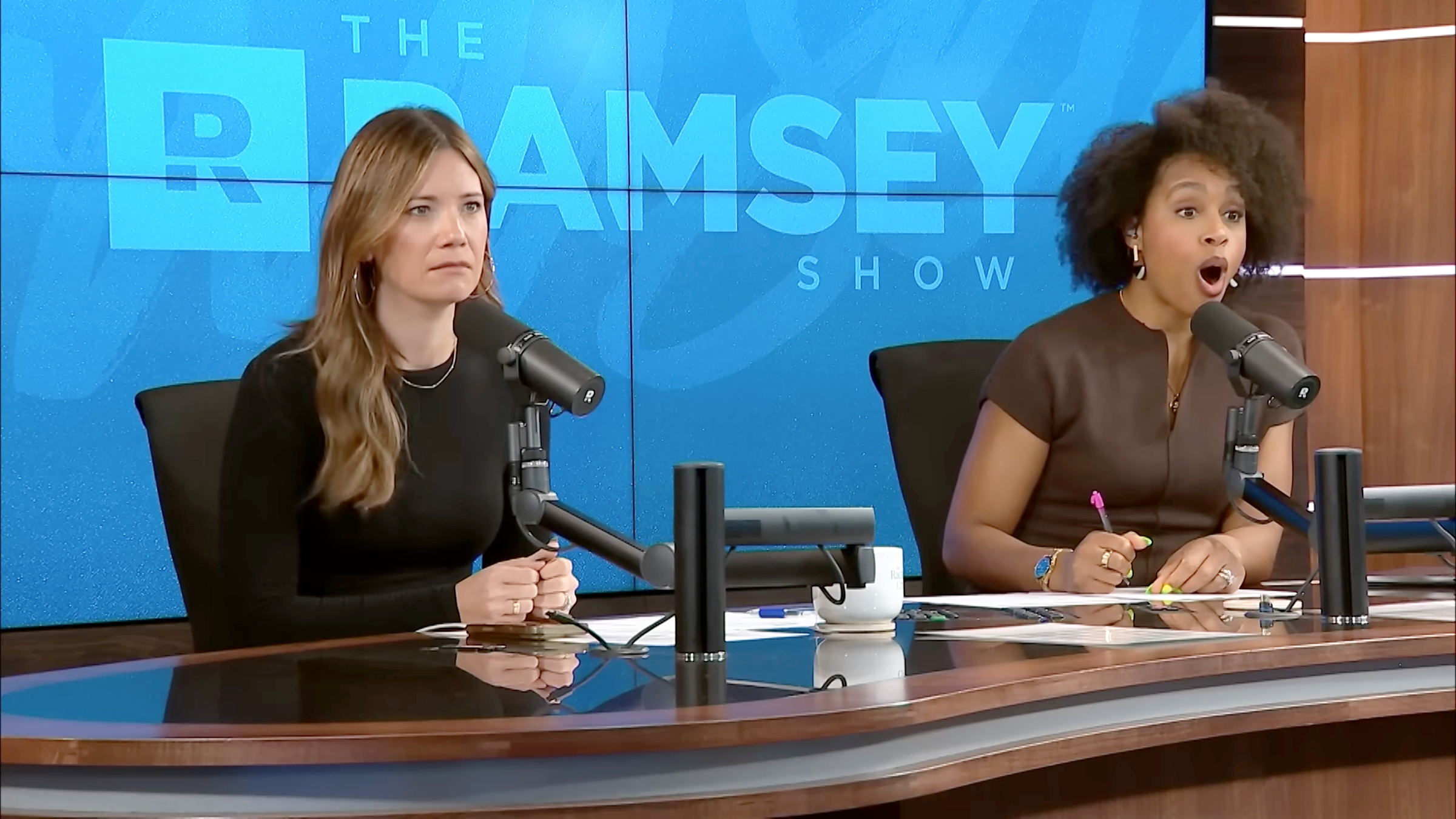
About a decade ago, Marie from Phoenix says she was swindled out of $600,000 over the course of three years as part of a romance scam.

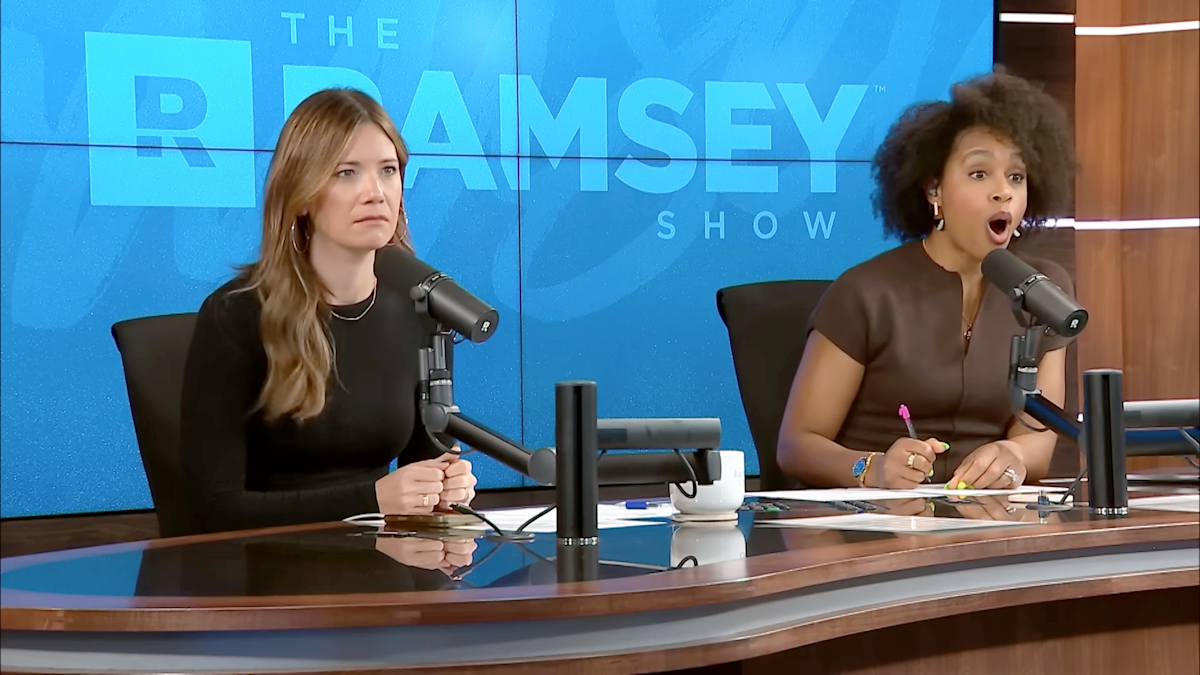
“Lost all my money, my house, my car, my jewelry,” she revealed on The Ramsey Show in a clip posted March 2 (1). “It was considerable, and that’s why I’m still working at 71.”

Thanks to Jeff Bezos, you can now become a landlord for as little as $100 — and no, you don't have to deal with tenants or fix freezers. Here's how

Dave Ramsey warns nearly 50% of Americans are making 1 big Social Security mistake — here’s what it is and the simple steps to fix it ASAP

Turning 50 with $0 saved for retirement? Most people don’t realize they’re actually just entering their prime earning decade. Here are 6 ways to catch up fast

As part of her recovery plan, Marie’s daughter agreed to step in and take control of her finances, including her Social Security payments. Marie gets a monthly allowance to cover things like groceries, gas and medication. She gets paid when rent is due. If any unexpected expenses crop up, such as a car repair, she’ll receive an extra transfer.

Now, Marie says she wants her independence back. She’s managed to save $200,000 under this arrangement and wants to put a down payment on a condo or townhouse. But her daughter is worried that she might fall for another scam and end up penniless again.

“I want this arrangement to stop,” Marie said. “I’ve asked her several times and she’s just not inclined to do so — she still doesn’t trust me.”

Marie wants to know how she can regain financial control without destroying her relationship with her daughter, or “should I just suck it up and continue with our arrangement?”

Millions of older adults may be subject to online romance scams, according to a recent survey from AARP (2). Nearly one in 10 of respondents aged 50-plus say they’ve experienced an “online romantic approach” that led to a request for money or encouragement to invest to cryptocurrency. The risk is doubled for those between the ages of 50 and 64.

Confidence and romance scams are common among adults aged 60-plus. According to the FBI, online victims in this demographic filed 7,626 complaints for losses of nearly $390 million in 2024.

Read More: 5 essential money moves to make once you’ve saved $50,000

Read More: Young millionaires are ditching stocks. Why older Americans should take note

Fraudsters can initiate contact on dating apps or social media, warns the Federal Trade Commission (FTC). They use social engineering techniques to build trust and intimacy, often over a long period of time. But they always have an excuse for why they can’t meet up in person. For example, they might say they’re deployed on a military base overseas, working on an offshore oil rig or running a construction project outside of the U.S. They make plans to meet up in person and maybe even propose marriage, but those plans never materialize.

Then, after gaining your trust, they’ll ask for money, often to help them cover an “emergency” — claiming they’re in the hospital or in jail. Or, they might offer to invest your money with promises of a large payout, commonly in the form of crypto.

All of the above are common red flags, but large losses still happen in which families might intervene. Unfortunately, this can create tension over autonomy, dignity and even legal authority. But, as Rachel Cruze of The Ramsey Show points out, there’s a fine line between financial protection and control.

Cruze suggested Marie take baby steps to rebuild trust with her daughter by creating a roadmap — with budgeting oversight and transparency — for a gradual restoration of financial independence.

If there hasn’t been any concerning behavior on Marie’s part over the past 10 years, it may be time to start moving forward, said Cruze — for her daughter’s sake too. But if Marie is unable to come to an amicable agreement with her daughter about regaining control of her finances, she may have to explore her legal options.

Romance scams can be especially hard-hitting since victims might be left feeling embarrassed and brokenhearted on top of having to deal with the financial fallout.

If you’ve been scammed, immediately contact your bank and/or credit card issuer; if you act fast, it may be possible to reverse a banking transaction. At the very least, you can protect yourself from further financial damage. You can also set up fraud alerts with each of the credit bureaus (Equifax, Experian and TransUnion). If you gave your Social Security number to the fraudster, alert the Social Security Administration .

Don’t forget to report the scam to local law enforcement. You can also report it to the FBI’s Internet Crimes Complaint Center and the FTC.

The recovery process can take a long time — both emotionally and financially. As Marie pointed out, she’s still working at age 71 since the fraudster drained her life savings. But there’s also reason for hope, as she’s managed to re-build a large portion of the wealth she once had.

Robert Kiyosaki begs investors not to miss this ‘explosion’ — says this 1 asset will surge 400% in a year

Vanguard reveals what could be coming for U.S. stocks, and it’s raising alarm bells for retirees. Here’s why and how to protect yourself

This 20-year-old lotto winner refused $1M in cash and chose $1,000/week for life. Now she’s getting slammed for it. Which option would you pick?

Taxes are going to change for retirees under Trump’s ‘big beautiful bill’ — here are 4 reasons you can’t afford to waste time

Join 250,000+ readers and get Moneywise’s best stories and exclusive interviews first — clear insights curated and delivered weekly. Subscribe now.

We rely only on vetted sources and credible third-party reporting. For details, see our editorial ethics and guidelines.

The Ramsey Show Highlights (1); AARP (2)

This article provides information only and should not be construed as advice. It is provided without warranty of any kind.