Press
Three charged in the US with smuggling AI chips into China
Images
1 / 6
2 / 6
3 / 6
4 / 6

5 / 6

6 / 6
US charges men reportedly tied to Super Micro Computer for helping to smuggle billions of dollars’ worth of AI chips to China.

Save

Share

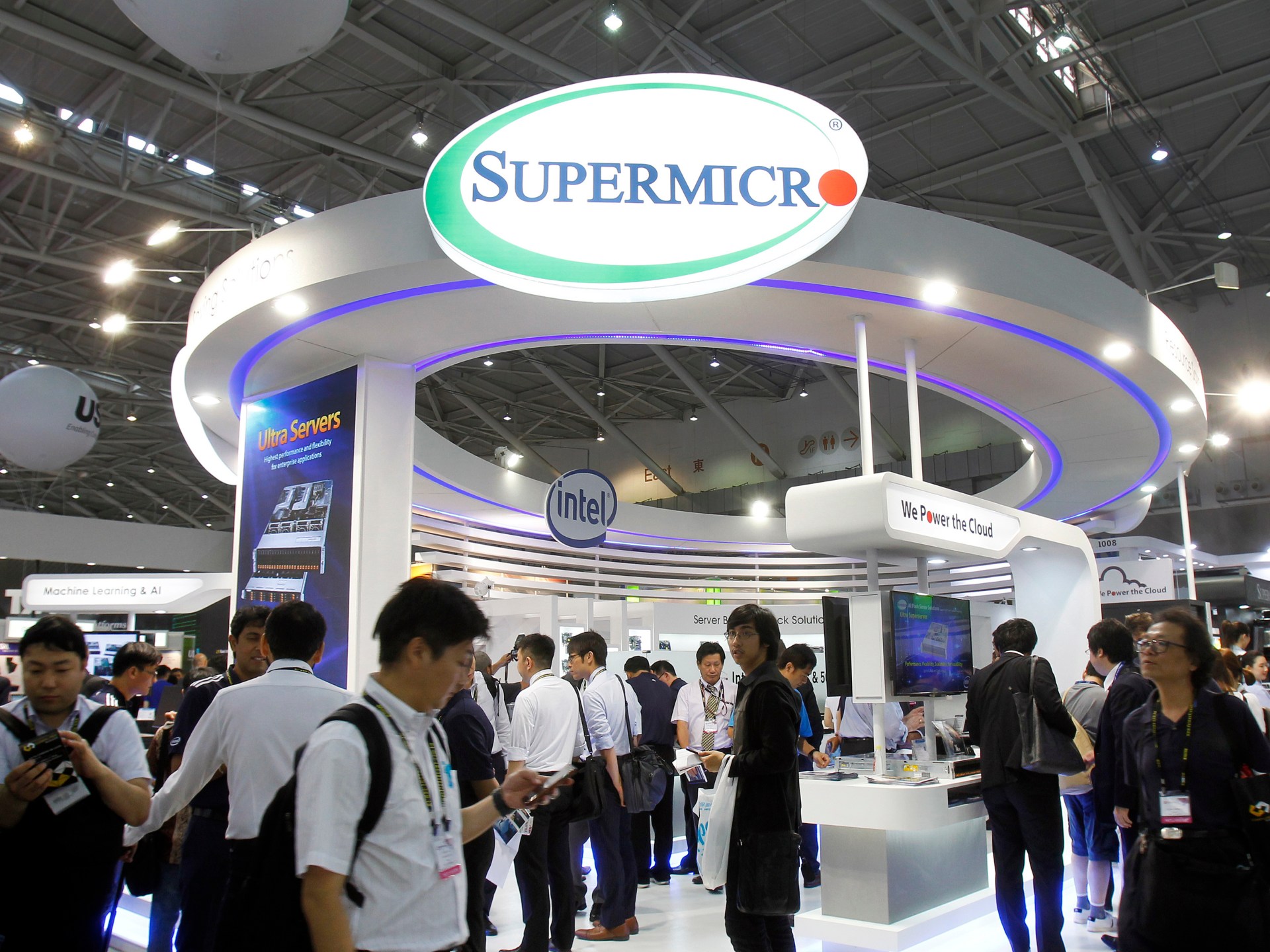
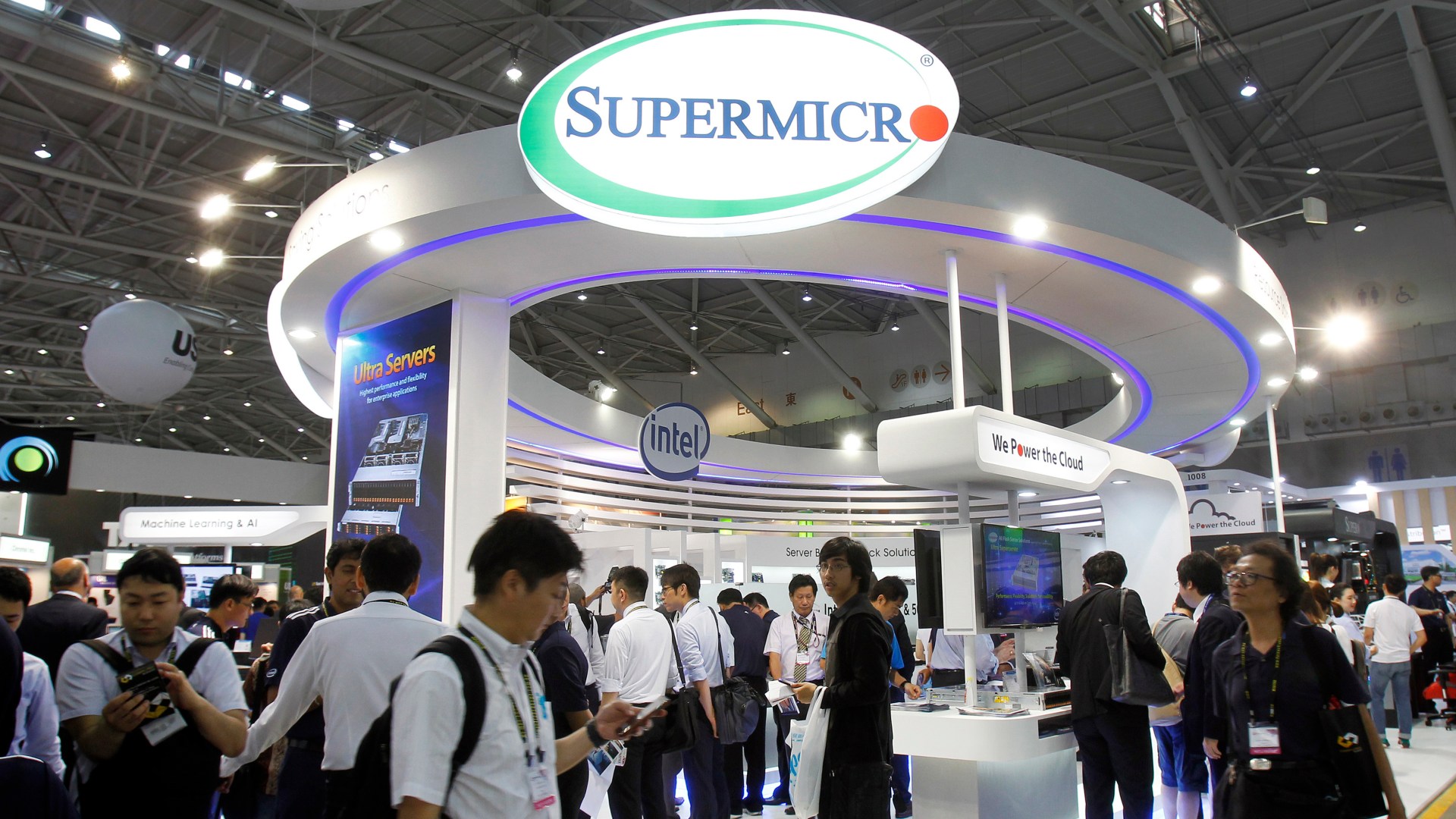
Three people associated with artificial intelligence server maker Super Micro Computer, including its cofounder, have been charged with helping smuggle at least $2.5bn-worth of United States AI technology to China in violation of export laws, according to the US Department of Justice.

US prosecutors did not name Super Micro in the complaint, referring only to a “US manufacturer”, but San Jose, California-based Super Micro said it was informed by federal prosecutors of the indictment on Thursday.

It noted that the company itself was not named as a defendant in the case and said it had cooperated with investigators.

The Justice Department said it had charged Yih-Shyan Liaw, Ruei-Tsang Chang, and Ting-Wei Sun in an indictment unsealed in federal court in Manhattan on Thursday, on allegations of a complex scheme to send US-made servers through Taiwan to other countries in Southeast Asia, where they were swapped into unmarked boxes and sent on to China.

The US has had export restrictions on China for advanced AI chips since 2022.

In a release, FBI Assistant Director in Charge James Barnacle said the defendants used fabricated documents, staged bogus equipment to pass audit inventories, and used a pass-through company to conceal their misconduct and true clientele list.

US Attorney for the Southern District of New York Jay Clayton said schemes such as this “pose a direct threat to US national security”.

Liaw co-founded Super Micro in 1993 and joined its board of directors in 2023. Chang was a sales manager in the Taiwan office of Super Micro, while Sun was a contractor.

Officials allege the three took extensive measures to conceal their activity both from the US makers of the servers and export control officials, even using hair dryers to remove labels and serial numbers from the real machines and placing them on dummy machines left behind after the real machines had been shipped to China.

Liaw, 71, a US citizen, was arrested in California on Thursday along with Sun, 44, a company contractor. Chang remains a fugitive, authorities said, according to The Associated Press news agency.

Liaw was released on bail, while Sun, a citizen of Taiwan, was held for a bail hearing on Friday.

The company said it placed Liaw and Chang on leave and terminated its ties with Sun after being made aware of the charges on Thursday.

Super Micro’s shares fell 8 percent in after-hours trading following the news.

US officials also did not name which chips were involved in the alleged scheme, but Nvidia dominates the market for AI chips, and its offerings command some of the highest prices.

In a statement, Nvidia, which sells chips to Super Micro and other server makers, said “strict compliance” with export laws is a top priority.

“We continue to work closely with our customers and the government on compliance programmes as export regulations have expanded,” an Nvidia spokesperson said.

“Unlawful diversion of controlled US computers to China is a losing proposition across the board – Nvidia does not provide any service or support for such systems, and the enforcement mechanisms are rigorous and effective.”