buzzfeed Press
Here's What Derms Recommend To Reduce The Appearance Of Melasma
Images
1 / 12

2 / 12
3 / 12
4 / 12
5 / 12
6 / 12

7 / 12
8 / 12
9 / 12
10 / 12
11 / 12
12 / 12
We hope you love our recommendations! While every product is independently chosen by our editors, BuzzFeed and our publishing partners may collect a share of sales or other compensation from the links on this page. You can read more about how our affiliate partnerships work in our Editorial Standards & Ethics Guide.

If you're dealing with stubborn patches of pigmentation on your face, try these sunscreens, retinols and other helpful products.

Melasma, which appears as irregular dark patches along the forehead, upper lip and cheeks, is sometimes called “the mask of pregnancy” because it often occurs in response to hormonal changes associated with pregnancy or the use of oral contraceptives, said Dr. Brendan Camp, a board-certified dermatologist in New York City.

It’s not just pregnancy that can trigger melasma’s wrath, though. According to Dr. Serena Mraz, a board-certified dermatologist in Vallejo, California, it’s not uncommon for it to appear suddenly in non-pregnant adults after sun exposure on the face. And once it does occur, it requires only the smallest bit of sun to make its appearance worse.

“Melasma is most common in people with naturally darker skin but can also occur in very light skin types,” Mraz added.

When it comes to addressing the appearance of melasma, both Mraz and Camp said that diligent sun protection is one of the best forms of prevention, although other topical products should also be at play.

Mraz said that optimal treatment typically involves using topical agents that inhibit tyrosinase, an enzyme critical for the production of melanin.

“Combining an agent that blocks pigment with others that clean up free radicals and damaged cells, and mitigate the effects of inadvertent sun and environmental pollutants is ideal,” Mraz said.

A word of warning from Mraz, though: If any product or ingredient creates excessive irritation for your skin, it should be used with caution. This is because some irritation may cause post-inflammatory hyperpigmentation, exacerbating the appearance of melasma.

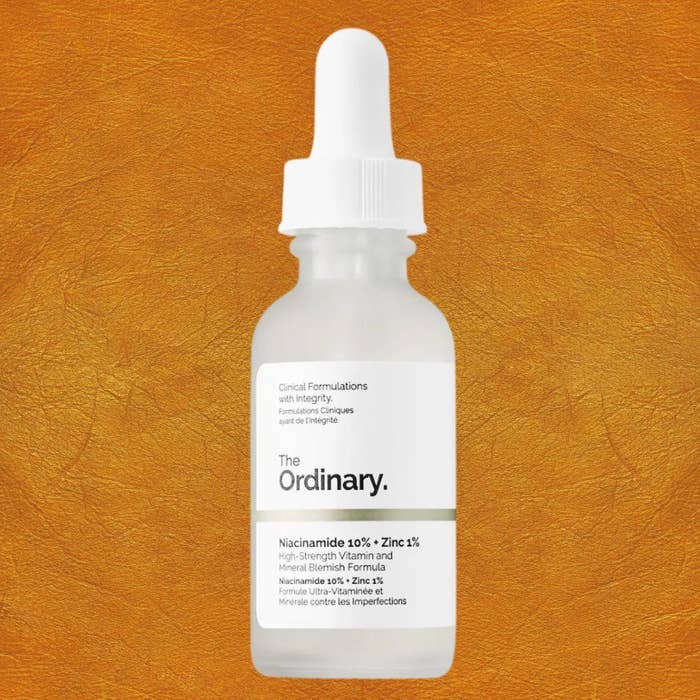
Board-certified dermatologist Blair Murphy-Rose named niacinamide as an ingredient that can treat and prevent melasma by interfering with melanin synthesis in the skin. It's also an antioxidant that she said can prevent free radical environmental damage to the skin.

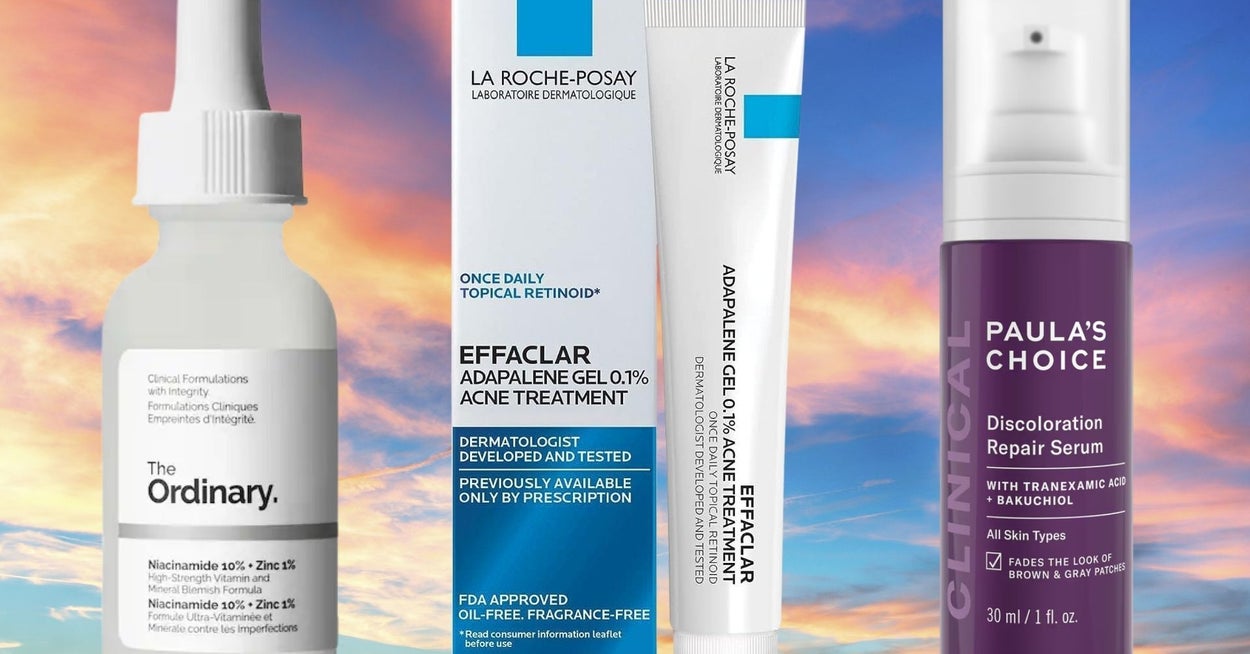
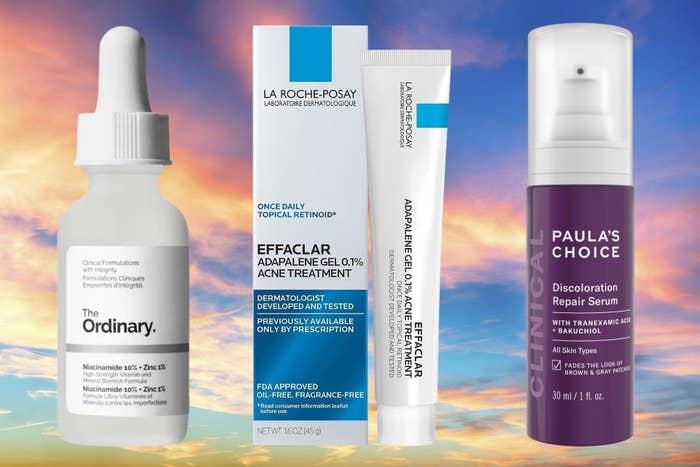
We chose The Ordinary's niacinamide serum because it's one of the internet's most well-known formulations and a product that I have used and loved for several years. It's affordable and utilizes a high-strength niacinamide concentration to effectively brighten skin tone and reduce the appearance of blemishes. Plus, its 1% zinc content helps to support a balanced complexion by regulating excess sebum activity.

Get it from Sephora for $6+ (available in two sizes).

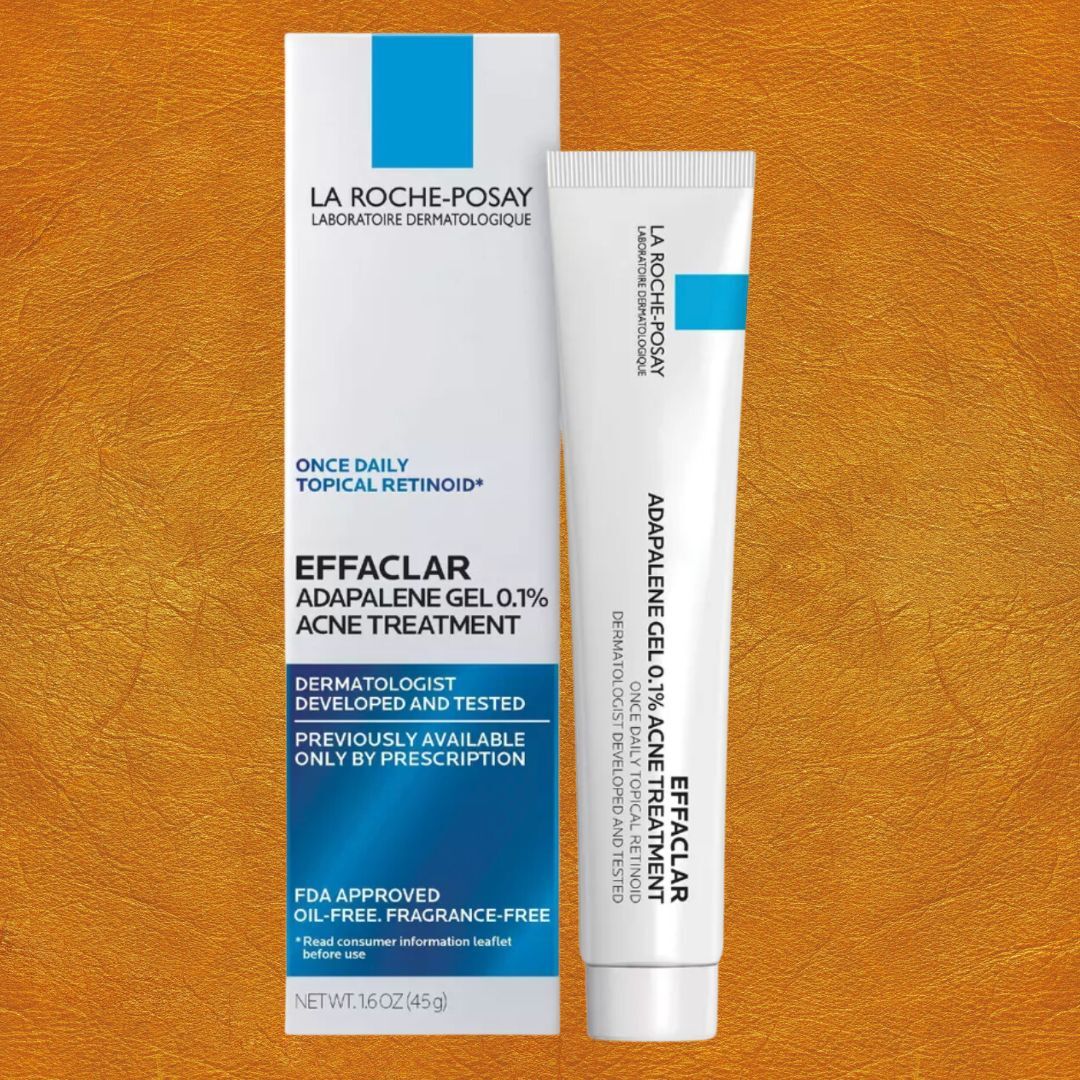
La Roche-Posay, the French pharmacy staple behind several cult-favorite skin care products, makes this topical retinoid treatment suggested by Camp.

"Marketed as an acne medication, this retinoid was previously available only with a prescription and can be used to treat discoloration associated with blemishes and melasma," he said.

Retinoids are useful in promoting the skin's cellular turnover rate, which can lead to increased collagen production and smoother, brighter skin.

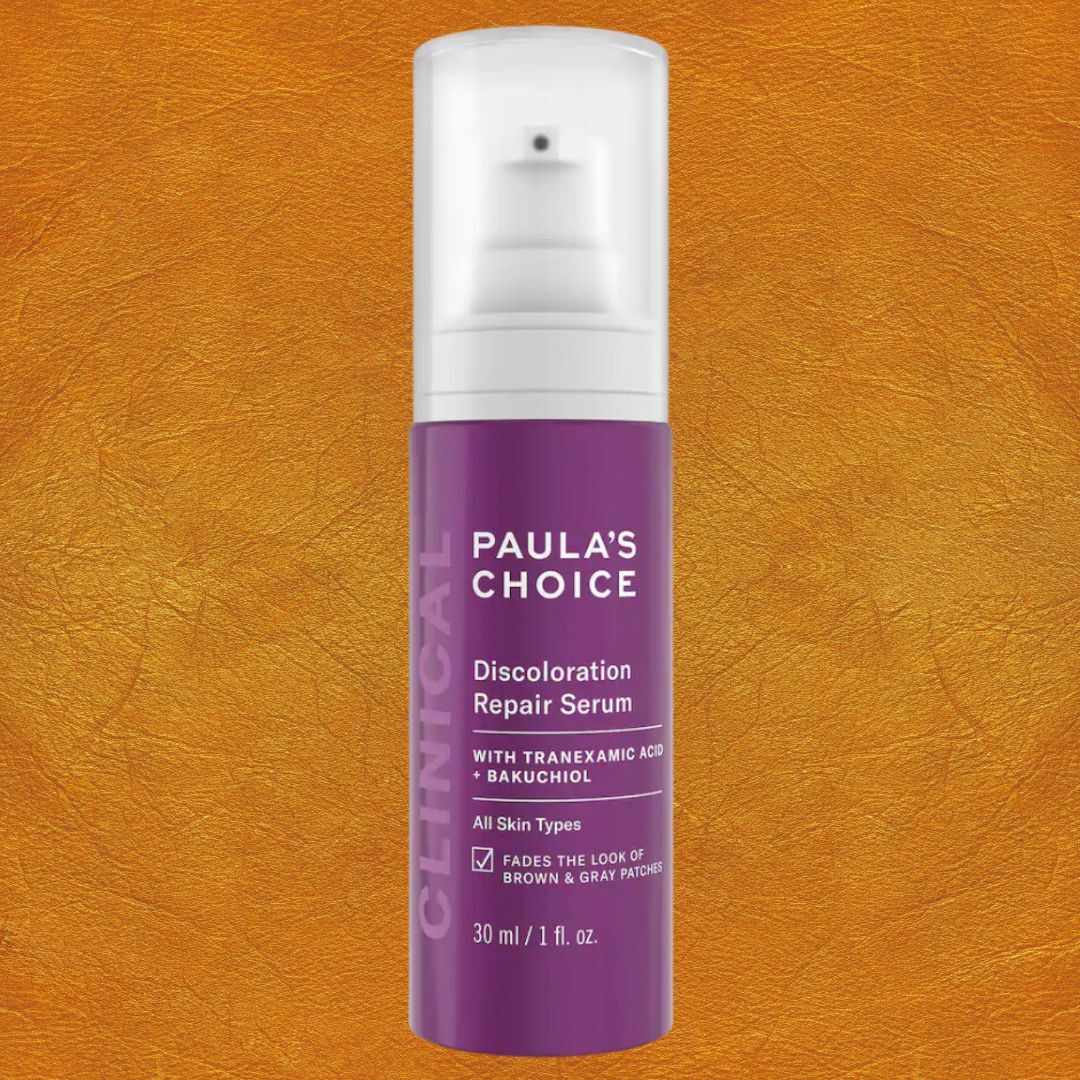
Board-certified dermatologist Brendan Camp suggested this discoloration repair serum by skin care brand Paula's Choice. He said the ingredients included in this serum, such as bakuchiol, a plant-derived retinol alternative, and tranexamic acid, are known for their ability to reduce pigmentation associated with melasma. This specialized serum has a lightweight gel texture and also contains niacinamide, a popular skin-brightening agent that you can learn more about below.

Get it from Paula's Choice for $44 (originally $55).

"A good broad-spectrum sunblock on a daily basis is important but not enough," Mraz said. She, along with Camp and Murphy-Rose, strongly recommend wearing a wide-brimmed hat whenever you're in the sun.

We found this highly rated sunhat that comes in eight color combinations, easily folds for travel and has UPF 50 sun protection.

Get it from Amazon for $25.99+ (available in two sizes).

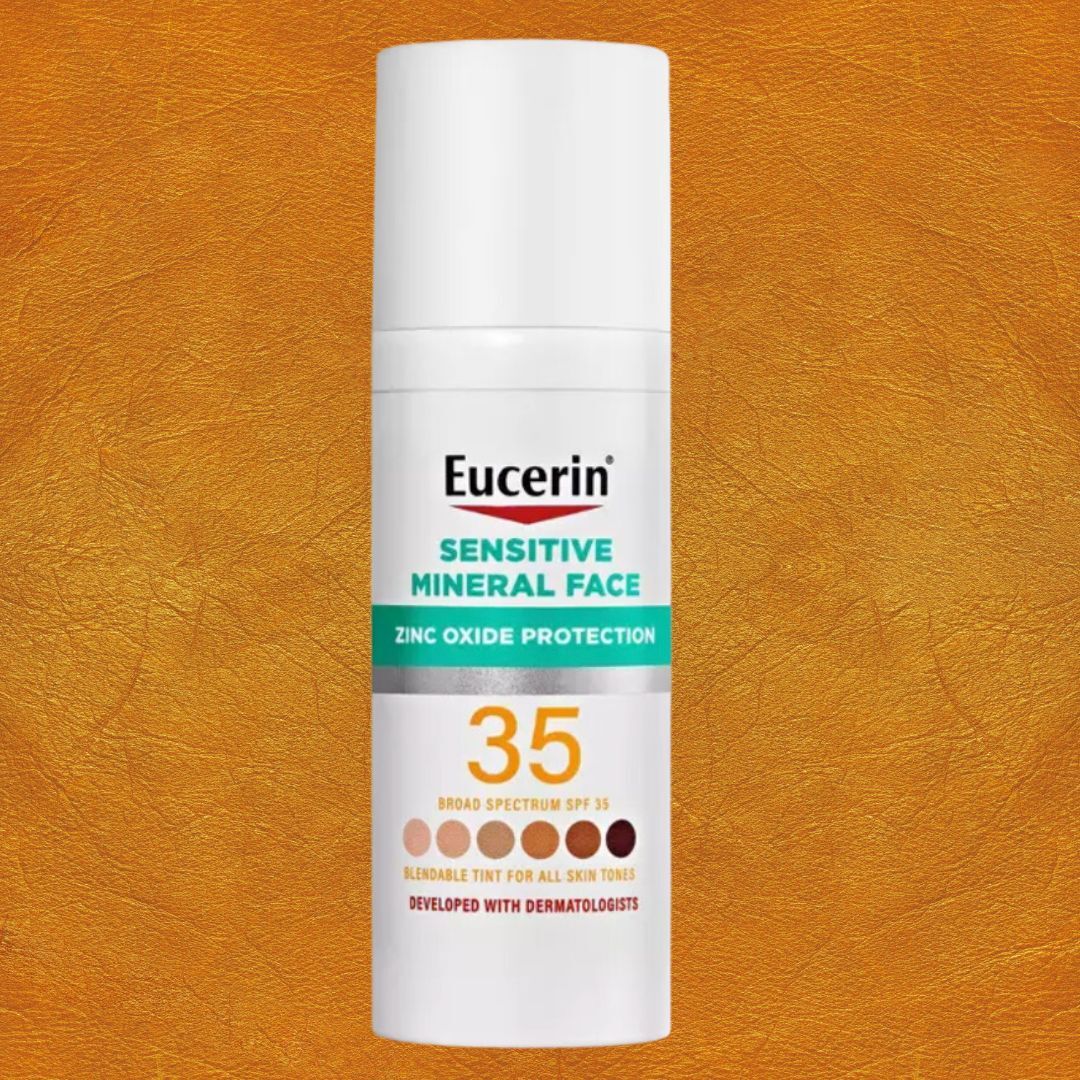
For a more affordable tinted sunscreen featuring zinc oxide protection, Camp also recommended this Eucerin mineral-based broad spectrum sunscreen that offers SPF 35 and promises to blend seamlessly with all skin tones. The invisible matte-finish formula also contains an antioxidant complex that can help reduce the damage caused by environmental stressors.

The mutual consensus of Camp, Mraz and Murphy-Rose is that tinted mineral sunscreens offer the best melasma-specific sun protection since, according to Camp, only tinted sunscreens can also shield skin from visible UV rays in overhead lighting that could potentially contribute to melasma.

"Sunscreen ingredients that will protect you from blue light (another trigger of melasma and hyperpigmentation) [are] iron oxides," said Rose, who suggested opting for broad-spectrum sunscreens that use either zinc oxide and/or titanium dioxide.

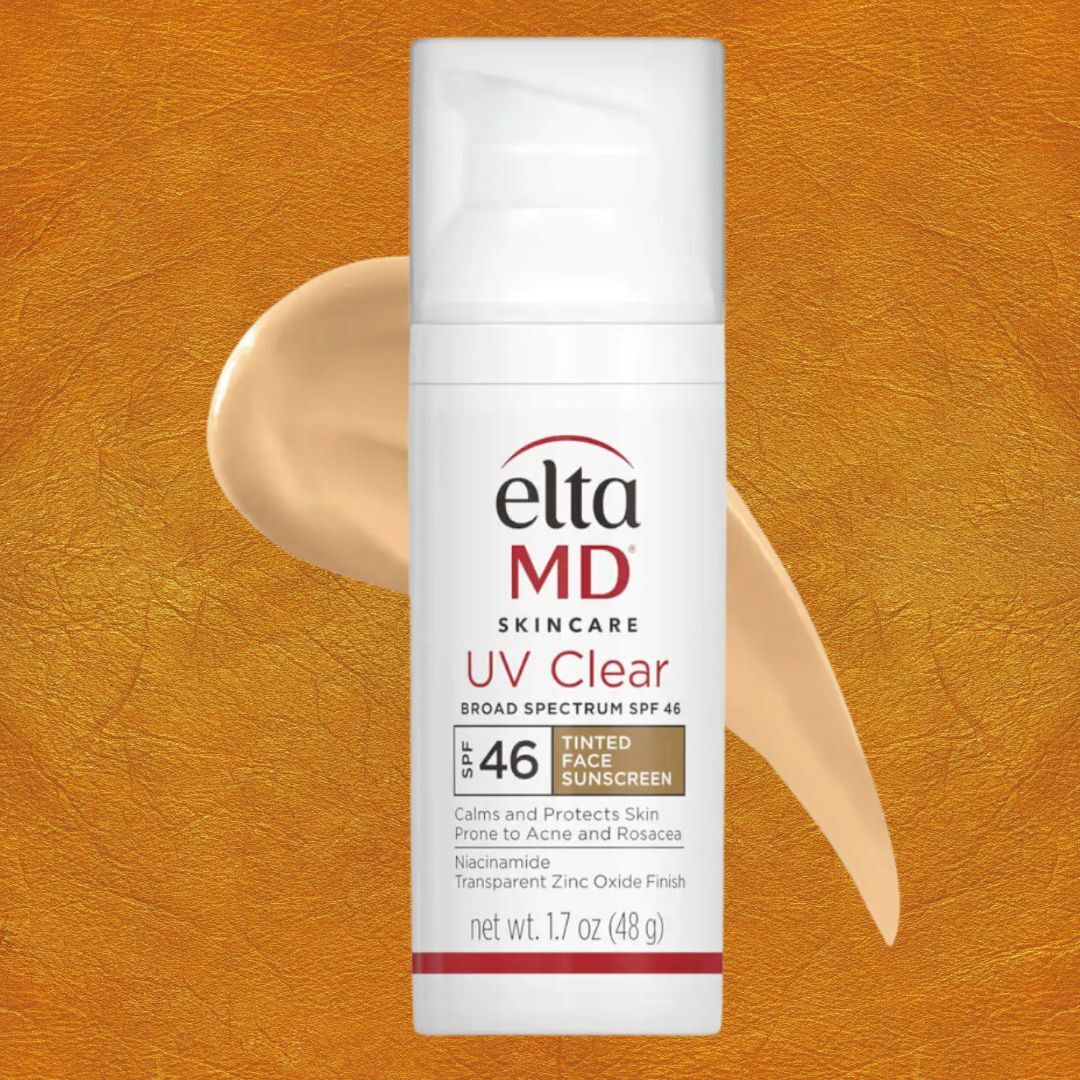
Camp suggested this popular tinted and lightweight sunscreen formula by Elta MD that features SPF 46, contains high-purity niacinamide and meets all of Rose's specifications.

Get it from Amazon for $23.50+ (available in two sizes, three shades, and in multi-packs).

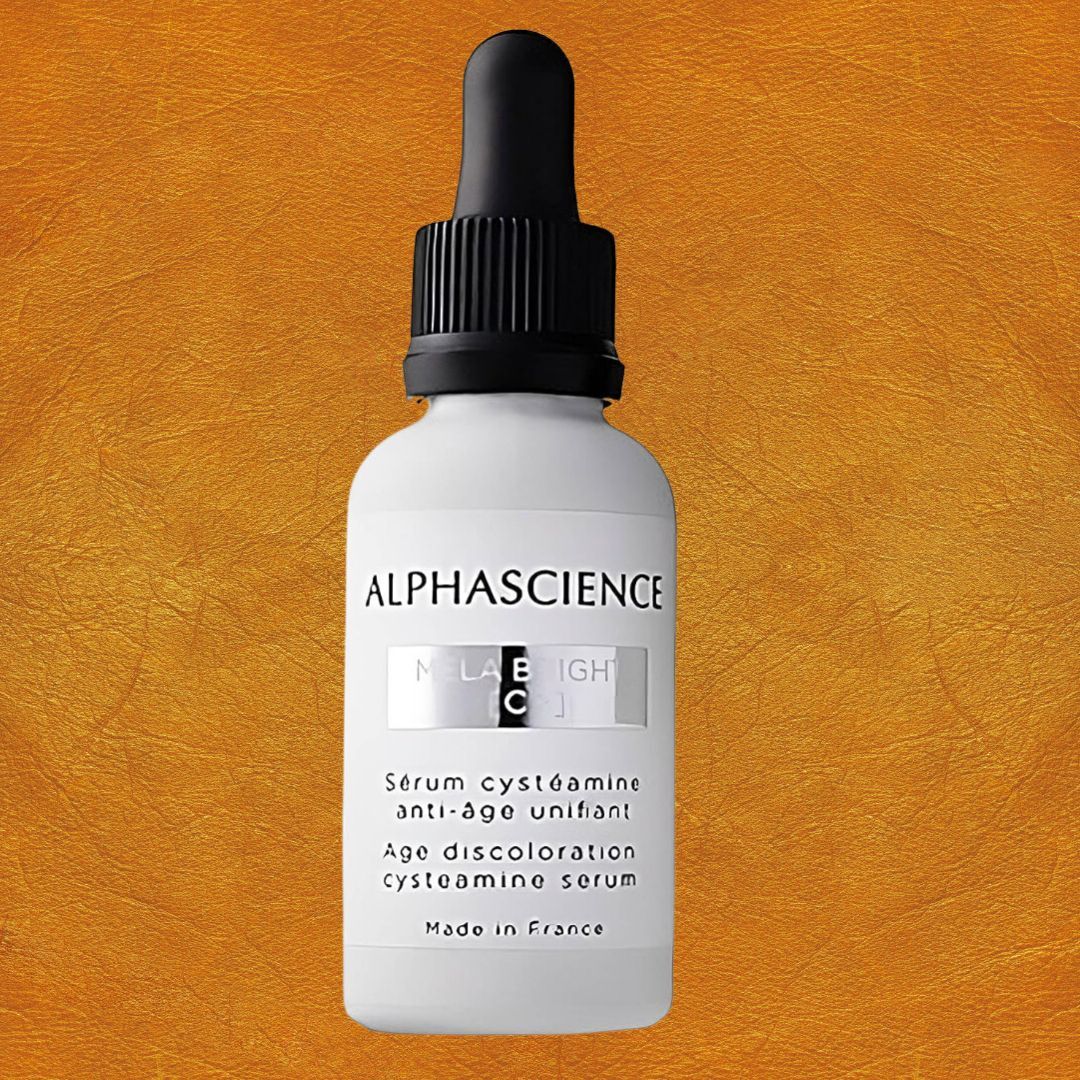
"Stabilized L-ascorbic acid is vitamin C in its natural form and acts to brighten the skin, decrease overactive pigment cells and clean up free radicals," said board-certified dermatologist Serena Mraz. She said Alphascience's Mela Bright C+ serum is a breakthrough product as it's the first to feature stabilized cysteamine, a topical ingredient that blocks enzymes responsible for melanin-causing melasma and can clean up free radicals.

"In addition to cysteamine, this non-irritating serum contains stabilized L-ascorbic acid, phytic acid, acetyl glycyl beta-alanine and ginkgo biloba all in one potent [product]. This combination product acts to clean up free radicals, lighten overactive dark patches and improve skin tone and quality. It helps to reduce pigment, while brightening the skin," Mraz said.

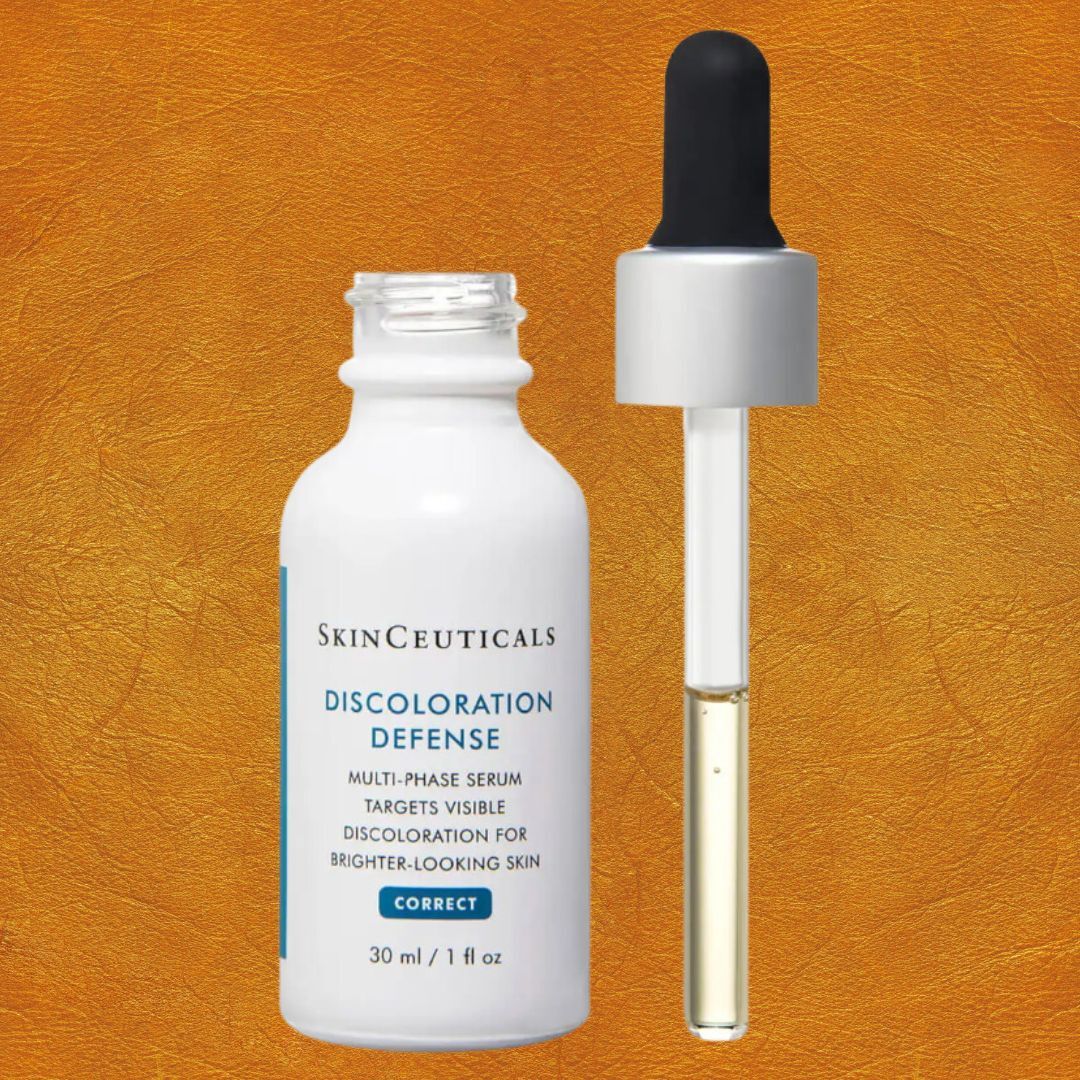
"Skinceuticals Discoloration Defense dark spot corrector fights hyperpigmentation with an effective combination of kojic acid, tranexamic acid and niacinamide," Murphy-Rose said.

This clinically formulated serum also contains a synthetically derived acid called HEPES that helps to exfoliate skin, and its hydrating glycerin and anti-inflammatory allantoin can keep skin feeling soothed rather than irritated.

Murphy-Rose recommends using it twice daily and always pairing it with a mineral sunscreen in the morning.

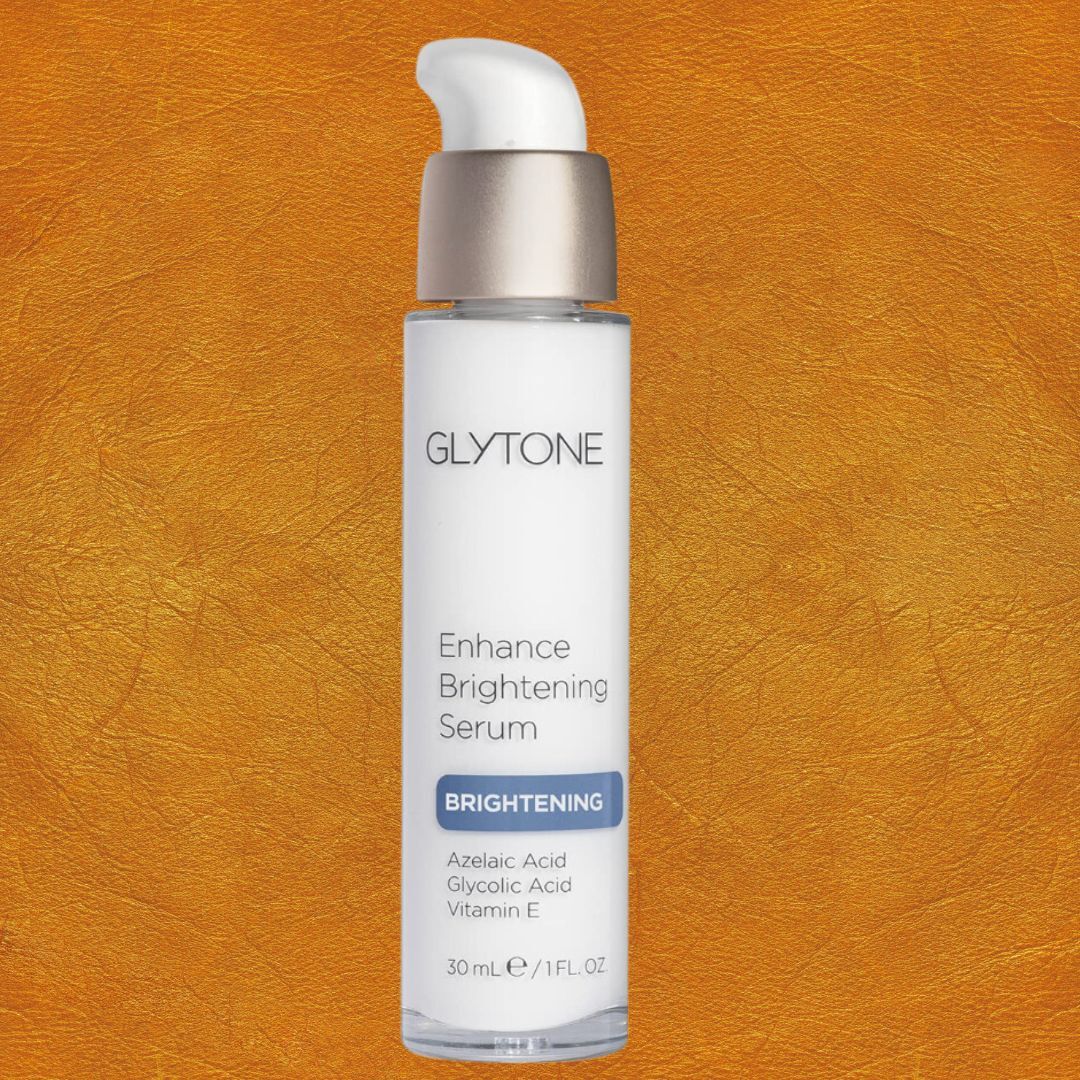
"Made with azelaic acid, kojic acid and vitamin E, this brightening serum includes ingredients to reduce pigmentation and protect skin from the oxidative stress of free oxygen radicals," Camp said. This advanced serum also contains hyaluronic acid, a powerful humectant that draws moisture into the skin to keep it hydrated and plump.