yahoo Press
Average US long-term mortgage rate rises to 6.22%, highest level in more than 3 months
Images
1 / 4
2 / 4

3 / 4

4 / 4
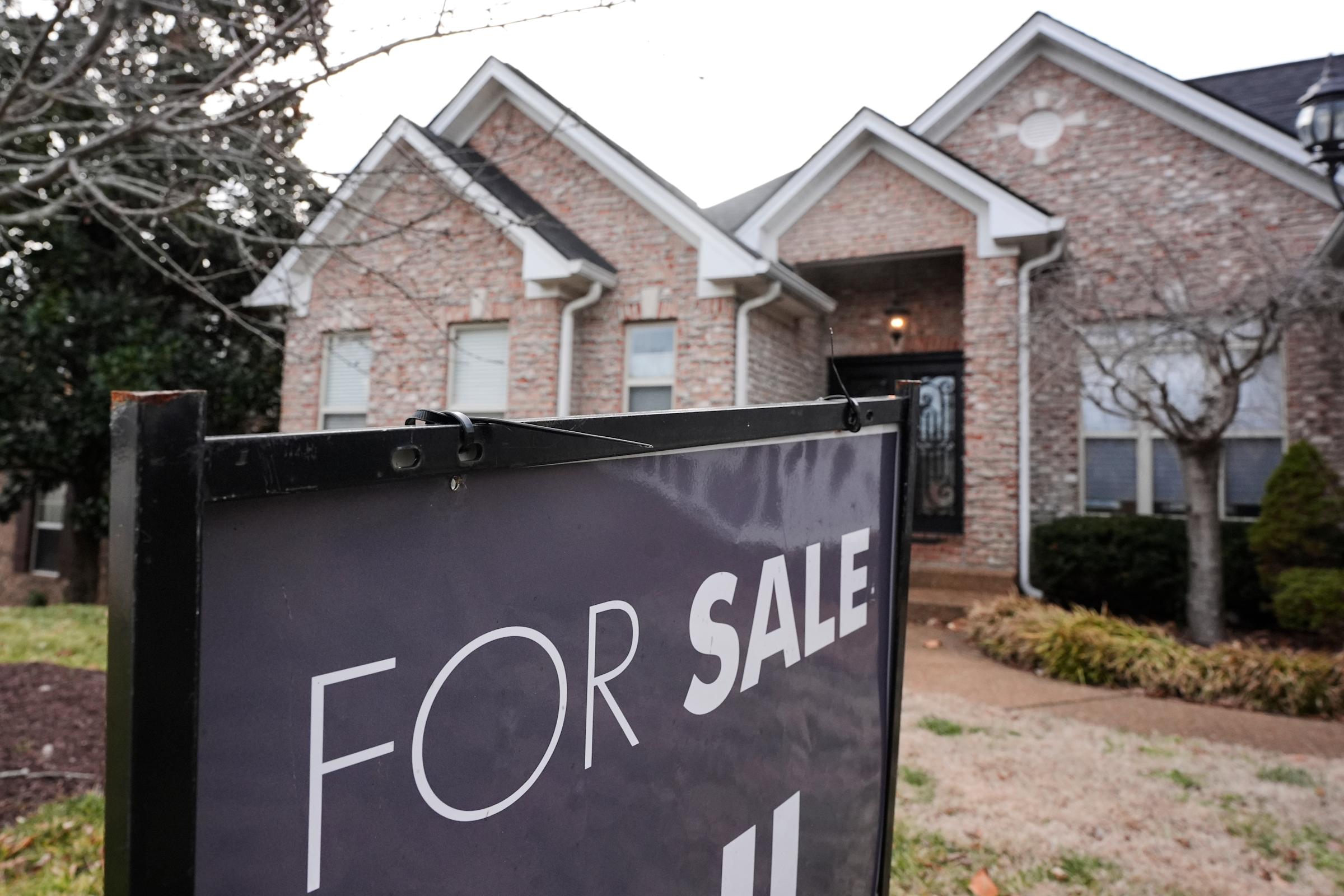
The average long-term U.S. mortgage rate climbed this week to its highest level in more than three months, a setback for prospective home shoppers this spring homebuying season.

The benchmark 30-year fixed rate mortgage rate rose to 6.22% from 6.11% last week, mortgage buyer Freddie Mac said Thursday. One year ago, the rate averaged 6.67%.

Only three weeks ago, the average rate had dropped to just under 6% for the first time since late 2022, but it has risen every week since the war with Iran started, rattling financial markets and stoking worries about higher inflation due to a spike in energy prices.

Meanwhile, borrowing costs on 15-year fixed-rate mortgages, popular with homeowners refinancing their home loans, also rose this week. That average rate inched up to 5.54% from 5.5% last week. A year ago, it was at 5.83%, Freddie Mac said.

Mortgage rates are influenced by several factors, from the Federal Reserve’s interest rate policy decisions to bond market investors’ expectations for the economy and inflation. They generally follow the trajectory of the 10-year Treasury yield, which lenders use as a guide to pricing home loans.

The 10-year Treasury yield was at 4.27% at midday Thursday, up from around 4.13% a week ago.

Treasury yields have been climbing as rising oil prices increase expectations for higher inflation. As long-term bond yields rise, that pushes up mortgage rates.

Higher inflation could also keep the Fed from cutting interest rates. The central bank doesn’t set mortgage rates, but its decisions to raise or lower its short-term rate are watched closely by bond investors and can ultimately affect the yield on 10-year Treasurys that influence mortgage rates.

Still, despite rising in recent weeks, the average rate on a 30-year mortgage remains below where it was a year ago, which will benefit home shoppers who can afford to buy at current rates.

The U.S. housing market remains in a slump dating back to 2022, when mortgage rates began to climb from pandemic-era lows.

Sales of previously occupied U.S. homes have been hovering close to a 4-million annual pace now going back to 2023 — well short of the 5.2-million annual pace that’s historically been the norm. They sank last year to a 30-year low and and have remained sluggish so far this year, falling short of their year-earlier pace in January and February even as mortgage rates are lower than they were a year ago.