buzzfeed Press
19 Men Who Struggled With Toxic Masculinity Share Moments That Helped Them "Snap Out" Of It
Images
1 / 11
2 / 11

3 / 11

4 / 11

5 / 11
6 / 11

7 / 11

8 / 11

9 / 11

10 / 11

11 / 11
"I needed to disentangle my ego from a 1900s version of what it means to be a man..."

"The cutest thing I ever heard in my life was the time I was on a call with both guys and girls hanging out (another important factor)

One guy's girlfriend came home, and when she called him the cutest pet name and looked so happy to be home with him, it clicked for early-20s me. This guy didn't flex his 'manly' status; he just made other people want to be around him.

I started paying more attention to his corner of the friend group and realized that guy was just there for good vibes. He never tried to talk crap or tease others, didn't roast anyone or play mind games, and he was positive towards everyone.

I started paying attention to men in happier relationships and started figuring things out. It took years of work, but before I knew it, that energy spread. People saw me being good to my friends and approached me because of it.

I make people feel safe, and that's pretty manly. Good energy is contagious."

"Seriously, life is so much easier when you stop judging and start listening and accepting.

Also, blaming your problems on other people is easy, but it doesn't actually solve your problems. Nobody is coming to solve your problems for you, and the longer you neglect them, the more they pile up and the more impossible it feels. The only answer is to roll up your sleeves and fix yourself; people will take notice in a good way."

"Every time I witnessed one of them speak to someone who was LGBTQ+ or simply believed differently, the condemnation began. It wasn’t the 'loving thy neighbor' I was hoping society was abiding by.

I found out quickly the world is cold, but not cold enough for their ideal reality."

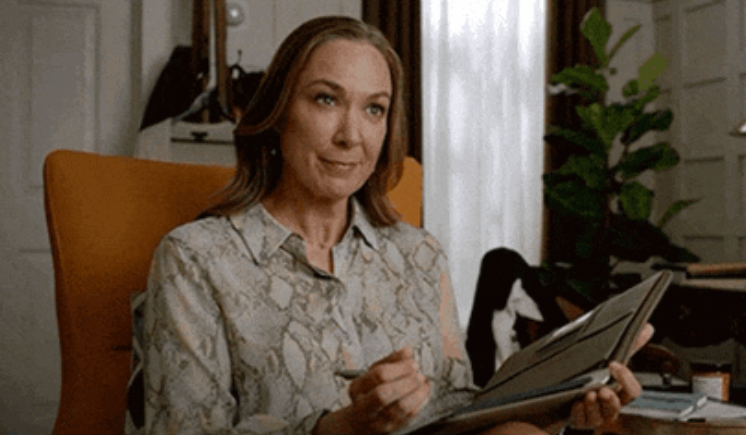
"My therapist (a woman) was also very helpful. She heard my complaints and frustrations, but gently guided me away from hate and toward personal growth. I learned to accept my role in the divorce, and that it had nothing to do with me not being 'manly' enough.

I think that's the key: finding responsibility, acceptance, and growth, rather than pursuing the easy fix of blaming everything on someone else. It's harder, but it's empowering."

"When I was 25, I moved to a new town, started working out, made new friends, and began getting attention from women. I had an epiphany that it was always me, and I needed to stop comparing myself to others.

True nobility lies in comparing you to your former self."

"Then, I got to know a depressed woman and noticed that she was facing the exact struggles that incels talk about all the time, just from the female side.

"Later, true love happened, but it ended up failing. I drifted back to this crap and fell on my face for a few years. I re-directed, put Stoicism back into practice, and lived fearlessly, with care and quiet, not expecting anything. I just wanted to be at peace.

As of now, I’m 43 and happily married. We are deeply in love, and I consider her kids my own. I have discovered life’s greatest joy is having a family. They learn lessons from me. We laugh, bond, and support one another. I’m a cheer and high school football dad with whatever free time I can muster up.

My legacy will never be being an 'alpha' or 'running game,' it’s always going to be those kids, and that’s what really matters."

"When you meet people who are actually confident, not just performing like you, it's unsettling, weird, and puts you out of your comfort zone.

The realization is that men raised in this culture are terrified all the time. Everything else is projection."

"It was very eye-opening and perfectly explained many aspects of my life and the struggles of people around me. The world just made sense after that."

"I started looking at others as lesser because they weren’t doing the things that I was doing. It was a miserable experience to feel so dogmatic. I think I only broke out of this experience through therapy.

I realized that I told myself that I should only deserve love if I earned it. That I wasn’t worthy unless certain conditions were met, but I would always goalpost myself. It was impossible to meet those conditions. It was a miserable experience, but thankfully I’m far from that now."

"A lot of the basic-level advice was actually valuable, like going to the gym and not putting romantic partners on a pedestal, etc.

What really turned me off in the end was the ideology that all women are out to get men. Clearly, there are both women and men out there seeking to be manipulative towards the opposite (and same) sex, however I couldn't reconcile the whole 'us versus them' philosophy compared to the relationships I have with my partner, mother, sister, and female cousins that were huge role models to me growing up and are some of the most amazing people I know.

There was never a single moment of realization, just a gradual realization that a lot of this is just cringe."

"You should be able to treat the people around you with respect, care, and empathy. Being able to step up requires the strength and preparation/resources to help someone else, so I put on my own oxygen mask first, then I could start being the man I thought I was. If being a man means being the best, being useful, then I needed to grow, become valuable, and treat people that way.

Politically stepping back from the uniparty in America and maintaining ideologically consistent beliefs broke a lot of my fixation on any form of celebrity, political or otherwise."

"I started slipping into the mentality that, deep down, all women acted like that in one way or another. I would routinely acknowledge that I didn't deserve that treatment, which is true, but I made my anger about it a cornerstone of my personality. The cherry on top was that I was NOT afraid to share these beliefs with others, even women.

It was my best friend who snapped me out of it. He told me, 'This isn't you. I know you, and I've known you longer than I've known my own brothers. You're turning into someone I don't like. Stop blaming everyone for some shit that a couple of people did. You're smarter than that.'

It took some time for me to process it, but when I did, I realized he was right."

"All women weren't like my mother, or how my dad said they were. Acting like they were was setting me up for failure.

Also, I realized my parents were horrible people, and any advice they gave me needed to be mentally thrown away."

"Strength builds you, the people around you, and society in general. Anything that does the opposite is a weakness."

"That really opened my eyes, and I realized that a lot of the figures in the movement were not interested in solving these issues, just making men angry and weaponizing them against perceived political enemies."

"This is generally just true for everyone (not just women), but back then, I just couldn't see women as regular people. Seems dumb, but in hindsight, I just wasn't well-socialized and still had a high school kid's mentality about how adults act in the real world.

Once I interacted with adult women, I realised just how bogus the whole manosphere red-pilled community really is. At the end of the day, it is a business, and you are the consumer."

"A lot of it stems from insecurity and unhealthy self-obsession. It comes from a deep-seated feeling like you are perpetually inadequate and need to live up to some silly masculine standard. It's the pacification of a deep insecurity.

I've found that the most susceptible to this ideology are men who didn't have good and stable father figures or male role models in their lives. A lot of them harbor some form of 'daddy issues,' either from absent, emotionally neglectful, or abusive fathers. This type of upbringing severely alters a young boy's brain and usually turns them to self-loathing. That self-loathing is often pacified with an over-inflated desire to be masculine and 'alpha' because it gives them the pretense that they're strong and not inadequate. It's not their fault that they didn't have good male role models, but it is their fault if they fail to recognize how that affected them and fail to find healthier ways to address it."

"Well, I started watching Joe Rogan around the time Elon Musk became a public figure. I enjoyed Rogan because I was a science-minded person who loved learning, and genuinely found his ‘I’m just a dummy asking questions’ routine funny.

Wouldn’t you know it, elections were ramping up, and I started watching Ben Shapiro, too, and a couple of other political commentators I don’t remember. I’d never really consumed political content before, so Ben’s ability to state past cases and laws was quite impressive. I also liked that he wasn’t overly fond of Donald Trump, because I also wasn’t a fan.

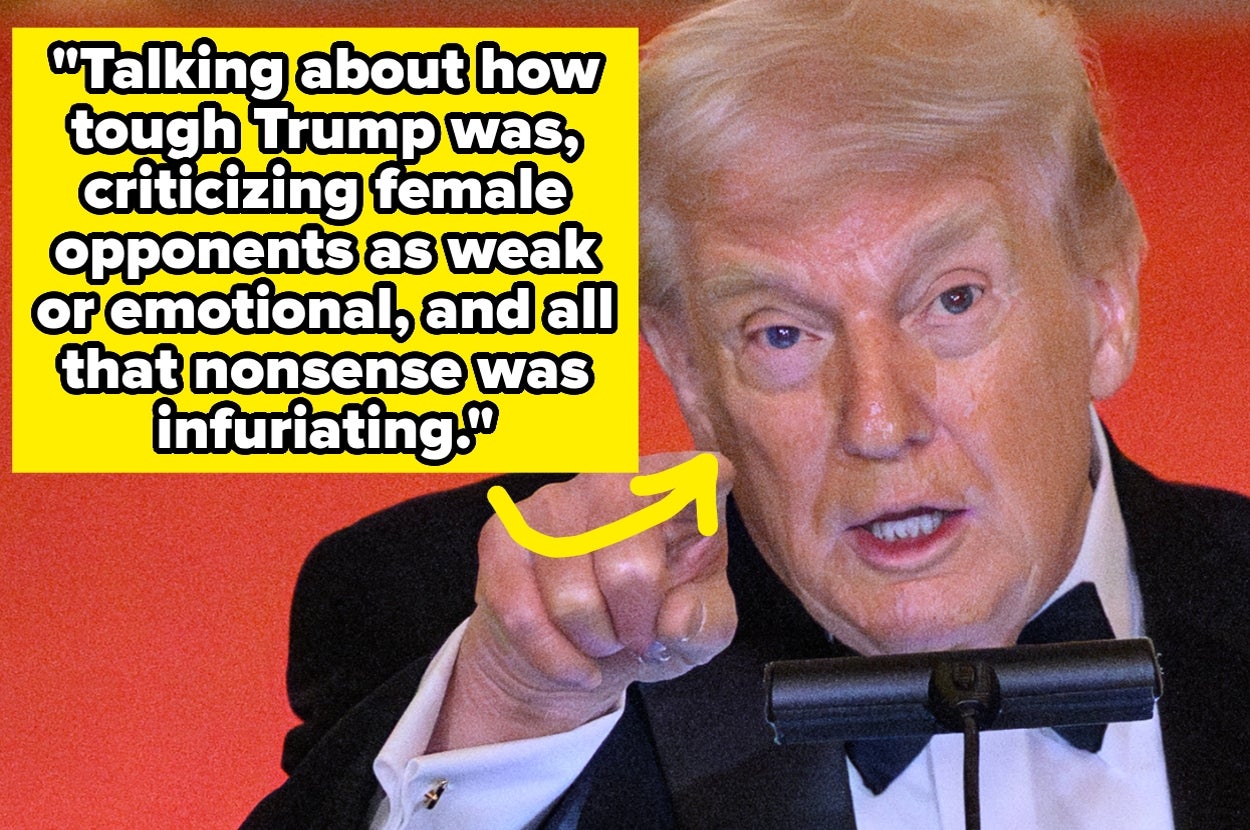
That was about as deep as I got. I realized (too late, unfortunately) that the Republican Party didn’t represent any of my values anymore, and many of my problems were 'alpha male' BS. Talking about how tough Trump was, criticizing female opponents as being weak or emotional, and all that nonsense was infuriating.

I was never one of those people who used phrases like 'alpha male,' so I’m not going to say I was truly in that circle, but I can certainly admit that if I were a little younger or more impressionable, I could see myself having fallen deeper."

Note: Some responses have been edited for length and/or clarity.