yahoo Press
Infant hospitalized with herpes after circumcision involving direct oral suction
Images

1 / 11

2 / 11

3 / 11

4 / 11

5 / 11

6 / 11

7 / 11
8 / 11

9 / 11

10 / 11

11 / 11
A two-week-old baby was hospitalized at Wolfson after contracting herpes during a circumcision involving direct oral suction.

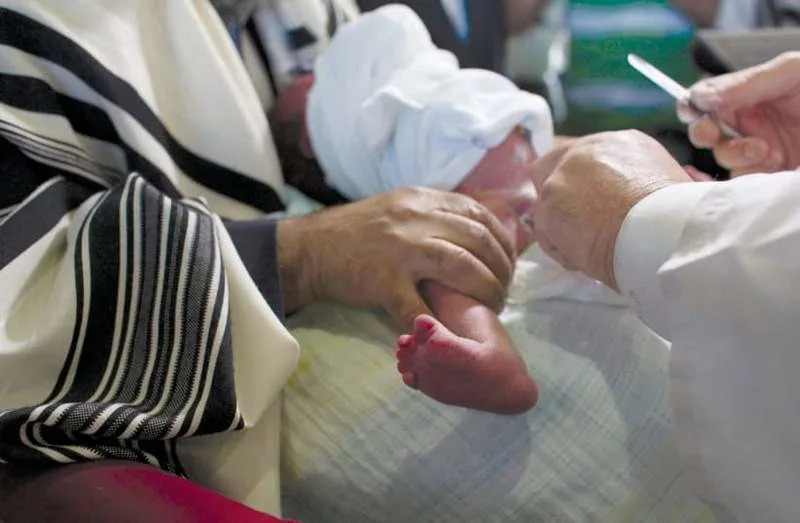
A two-week-old baby was hospitalized at Wolfson Medical Center with a severe herpes infection after contracting the virus during a brit milah (Jewish ritual circumcision) that involved direct oral suction, also known as metzitzah b’peh.

Doctors found that the virus had reached the infant’s cerebrospinal fluid, indicating that the infection had penetrated the central nervous system, a life-threatening condition in newborns whose immune systems are not yet fully developed.

The infant was rushed to the hospital after developing concerning lesions in the circumcision area and showing a rapid deterioration in his condition, requiring immediate hospitalization.

After an extensive series of tests, including a lumbar puncture, doctors discovered that the herpes virus had entered the baby’s cerebrospinal fluid.

Dr. Diana Tasher, head of the pediatric department at Wolfson Medical Center and a specialist in pediatric infectious diseases, described the case as deeply troubling.

“The baby arrived at two weeks old with lesions in the circumcision area, and after a careful medical evaluation, it became clear that this was a herpes infection,” she said.

According to Tasher, the infant’s cerebrospinal fluid also tested positive for herpes, indicating that the infection had reached the central nervous system.

She said it emerged that the infant had undergone circumcision using direct oral suction, a practice in which the mohel (ritual circumciser) places his mouth directly on the wound.

“It is important to avoid this practice because of the medical risks involved,” Tasher said. “Parents must be aware of the issue and make sure the suction stage is not performed by mouth.”

She added that the Health Ministry has clear guidelines instructing practitioners to avoid direct oral suction and said those who wish to perform suction can use a sterile tube to prevent direct contact.

“In such cases, herpes passes from the mouth directly into the wound and from there into the central nervous system, and this can end in disability, developmental impairment, or death,” she said.

The baby is currently being treated in the hospital with intravenous medication for three weeks and is expected to require preventive treatment for several additional months afterward.

“This case could end in disability even in the best-case scenario,” Tasher said.

Herpes is very common among adults and in most cases causes only mild cold sores, but for newborns, it can become a deadly threat. The virus can pass from the mohel’s saliva into the open wound created during circumcision, and from there quickly enter the bloodstream.

In infants in their first weeks of life, the blood-brain barrier is not yet fully developed, making it easier for the virus to penetrate brain tissue and cause meningitis or encephalitis. These conditions can lead to seizures, severe developmental damage, and loss of motor function.

Although modern medicine offers advanced antiviral treatment, its effectiveness depends heavily on rapid diagnosis, and even then, damage caused in the earliest hours of infection may leave lifelong neurological harm.

The use of direct oral suction during circumcision has been the subject of medical and halachic (Jewish legal) debate for years. The Health Ministry has repeatedly warned against the practice and instructed mohels to use a glass tube or designated sterile device to avoid direct contact between the mohel’s mouth and the infant.

At the same time, the Interministerial Oversight Committee of Mohalim has stressed that mohels are required to inform parents of the risks associated with direct oral suction and obtain their explicit consent. Still, in some communities, the practice appears to continue despite the known dangers, sometimes without parents fully understanding the possible health consequences.

In 2012, the issue made international headlines after health authorities in New York documented a series of confirmed neonatal herpes cases linked to ritual circumcisions involving direct oral suction. In Israel, Schneider Children’s Medical Center also publicized similar cases, including two infants hospitalized in 2016 after contracting herpes in the circumcision area.

The central danger is that even a mohel who does not have an active cold sore can still shed the virus in saliva. Public health authorities have said there is no proven way to eliminate the risk of HSV-1 transmission from direct oral suction.

The treatment now being given to the infant at Wolfson is complex and includes medication that can affect kidney function, requiring constant monitoring and repeated blood tests throughout the hospitalization.