yahoo Press
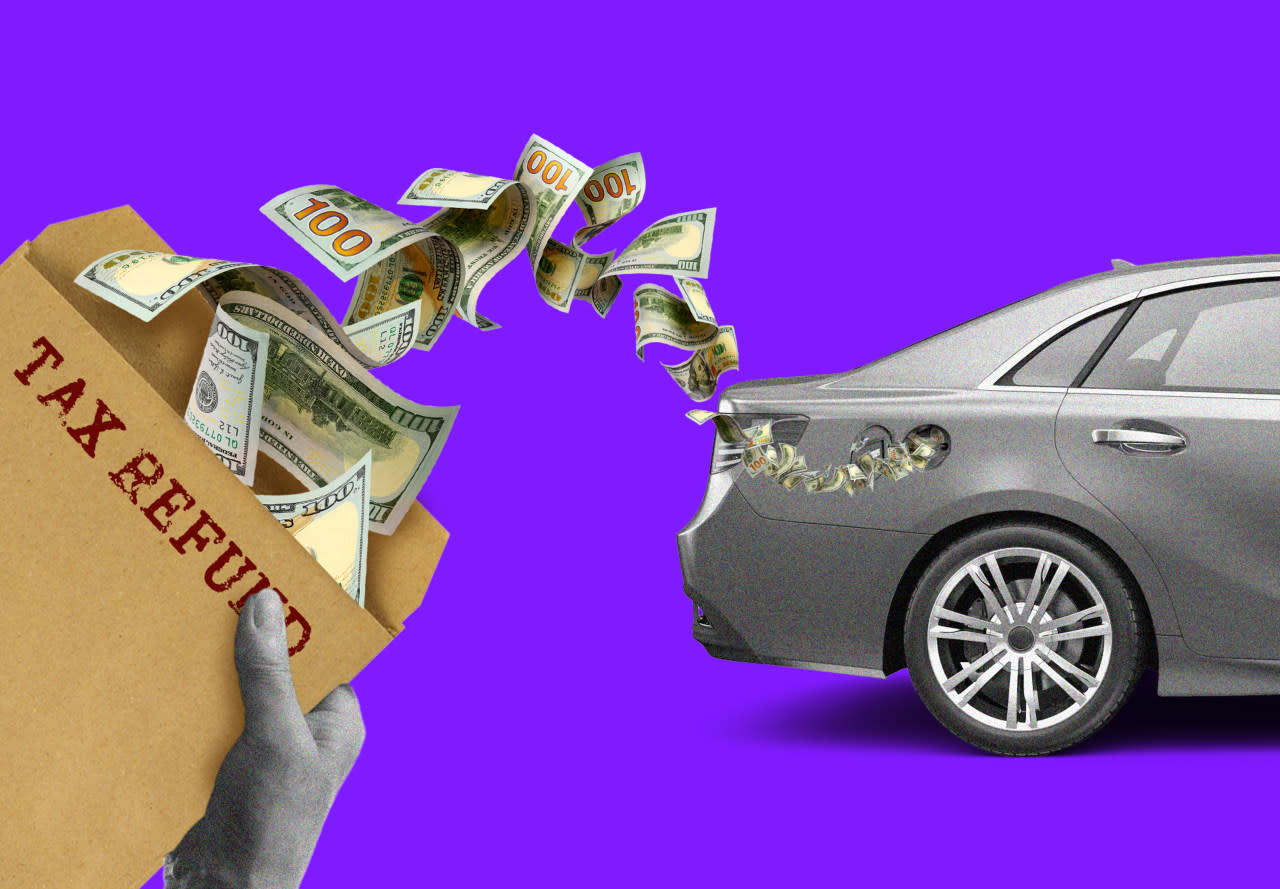
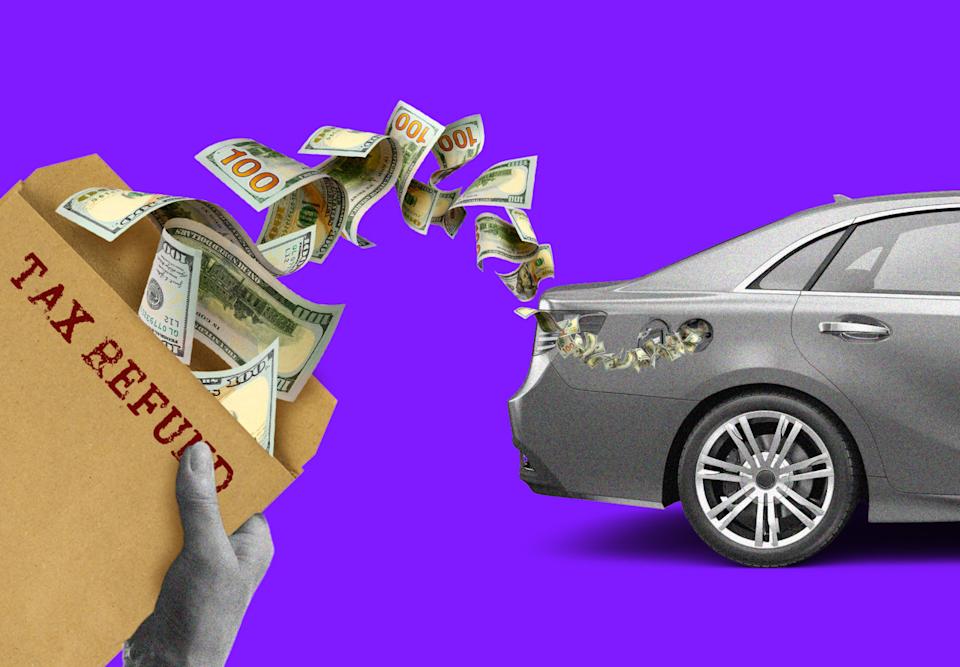
Your bigger tax refund could be ‘completely’ eaten up by soaring gas and energy prices if the Iran conflict continues
Images
1 / 5
2 / 5

3 / 5

4 / 5
5 / 5
Just as fighting started in Iran, income-tax refunds under generous new tax laws were gearing up to make a big impact in Americans’ wallets.

Two weeks later, higher gasoline and energy prices stemming from the conflict could cancel out the effects of those higher refunds, economists say.

Warren Buffett’s parting gift to Berkshire Hathaway: a $2 billion Iran oil windfall

Panic is slowly gripping the stock market. Expect the selling to pick up this week.

‘Selling will be a very difficult process’: My mom, 93, owns a timeshare in Florida. How can I disclaim this inheritance?

Risks of a bear market are growing, says Goldman Sachs. Here are the trades to make.

The average refund was $3,676 as of early March, the Internal Revenue Service said Friday. That’s 10.6% more than average refund amount at the same point last year. The array of new and broadened tax breaks from last summer’s tax law are driving the bigger numbers, according to IRS officials.

Many Americans were planning to save their refund money instead of spending it, surveys show — but they may have to rethink those plans. Drivers were paying an average of $3.65 for a gallon of gas on Friday — up more than 23 cents from the previous week, and up nearly 73 cents from the previous month, according to GasBuddy.

Opinion: Why oil probably won’t go to $150 a barrel

It would take months of fighting, instability and energy-market shocks to completely offset the effects of higher refunds and the massive new tax law, experts note. But it’s another reminder of the new price pressures that consumers face because of the Middle East conflict. Tax refunds are often the single largest payment that people receive in a year.

Americans have collectively spent $2.19 billion extra on gas since March 1, according to Patrick De Haan, GasBuddy’s head of petroleum analysis. That’s mostly due to the Iran conflict, he noted.

So it’s higher tax refunds versus higher gas prices. Which will have a bigger impact on people’s wallets?

The tax cuts from the One Big Beautiful Bill Act could be worth between 1% and 1.5% of GDP this year, said Tiffany Wilding, a managing director and economist at Pimco. This year’s refunds could be $800 larger on average, according to the firm’s estimates.

Read: Two new Democratic bills would cut income taxes for millions of Americans. Here’s who they would help the most.

But if oil stays above $80 per barrel for the year, that extra $800 will go to gas pumps and energy costs instead of other ways Americans could use their refund money, Wilding noted.

“Higher costs of energy will completely eat up that additional refund,” she said. “The energy shock is a really big deal — it will weigh on consumer purchasing power.”

Read: Filing taxes is painful enough without worrying that your accountant is judging you

On Friday, global oil prices BRN00 ended above $100 a barrel as traffic through the Strait of Hormuz, a vital shipping route for the world’s oil supply, stood at a virtual halt.

It’s too soon to know if people will rip up their plans for their tax refunds because of higher gas prices, said Mark Mathews, chief economist and executive director of research at the National Retail Federation.

Households could pay $10 more each week with a 20% increase in gas prices, he estimated. “The key point here is we really do need to see sustained gas price increases before it becomes problematic,” Mathews told MarketWatch.

Still, people pay close attention to their refund amounts, and extra-close attention to prices at the pump. “Gas prices do have an oversized impact on our psyche,” he said.

Once gas hits $4 a gallon, many consumers start thinking hard about their driving habits, oil-industry experts say.

Read: ‘Oh my gosh, enough already.’ How to protect your trip — and your wallet — during the most chaotic spring-break travel season in years.

Just because gas prices are higher, it doesn’t guarantee that they will alter people’s spending habits, Mathews said. While lower-income consumers are slowing down, there’s been a long-running disconnect between downbeat consumer sentiment and strong spending, he noted, pointing to a strong holiday shopping season at the end of 2025.

But the new challenge of higher gas prices could be a problem for some of those holiday shoppers this year, according to Wilding. If people were expecting higher refunds and spent more during the holidays, that could mean less of a cushion to put money toward energy costs versus other expenses, she said.

U.S. stocks have been surprisingly resilient as the Iran conflict threatens global economic disruption. Thank industry analysts?

Dollar is benefiting from Iran conflict as investors worry about inflation

Moody’s says a recession will be hard to avoid if oil prices stay elevated for even a few more weeks

‘It’s complicated’: My husband, 61, wants to leave me everything. His kids will hate me. What should I do?