buzzfeed Press
Here’s What It Actually Takes To Keep Your Fridge Clean
Images
1 / 9
2 / 9

3 / 9
4 / 9

5 / 9

6 / 9
7 / 9
8 / 9
9 / 9
When was the last time you did a deep clean of your fridge?

Jen is a writer for BuzzFeed based in New York.

A little about the experts I interviewed:

• Jared Sarbit is the CEO of Picture Perfect Cleaning.

• Wendy Trunz is the Partner and Head Organizer at Jane's Addiction Organization.

According to both experts, you should clean your fridge once a week for routine maintenance.

The first step is to go through your fridge and remove any spoiled or expired items. Trunz recommends using "dark garbage bags for expired foods you’re throwing away" and having "a box or shopping bags ready to fill for donations [of unopened food.]"

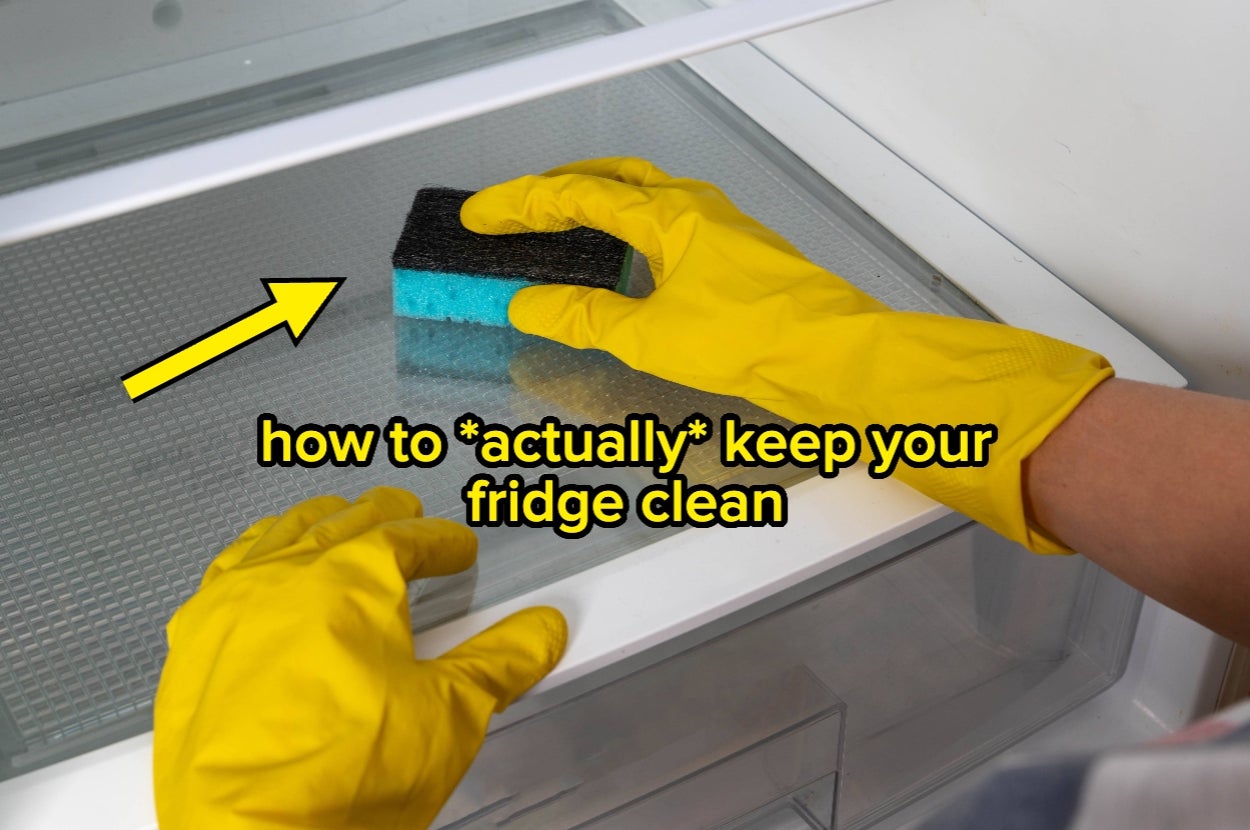
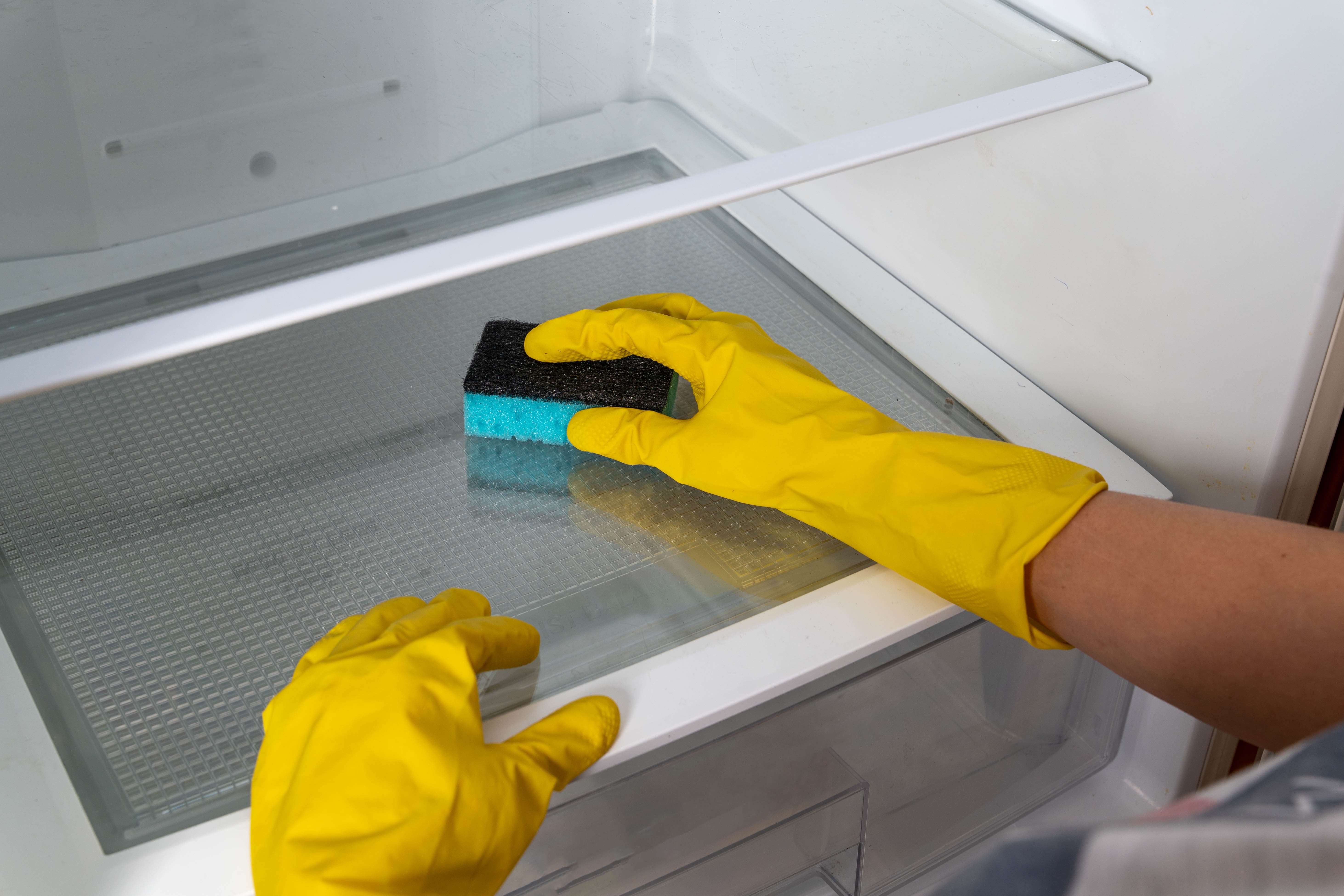
Once expired foods are tossed, Sarbit suggests wiping down "shelves and drawers with warm water and very mild dish soap," and then making sure to dry everything before putting it away. "Moisture trapped inside can lead to mildew and smells," he said.

Also, make sure to get the door seals, shelves, and handles. "Those are high-touch and moisture-prone areas where grime builds up quickly," Sarbit explained.

Sarbit recommends a deeper clean every few months, pointing out that "the meat drawer and bottom shelves need the most attention because leaks tend to settle downward." Door bins can also get dirty much quicker from condiment residue, and should be wiped more regularly, he added.

To do a deep clean, take out everything from the fridge. Then, remove shelves and drawers and wash them separately in warm soapy water. "Make sure you wipe down interior walls, ceilings, and floors on the fridge," Sarbit said. "Don't forget about the drip pan underneath either, and try to vacuum the coils at the back or bottom. Dust can build up quickly in those spots, which ends up affecting the performance and efficiency of the fridge," he explained.

Since rotting food leads to grime and unwanted smells, I asked how to prevent this altogether. It turns out that organization plays a major part in keeping food fresh.

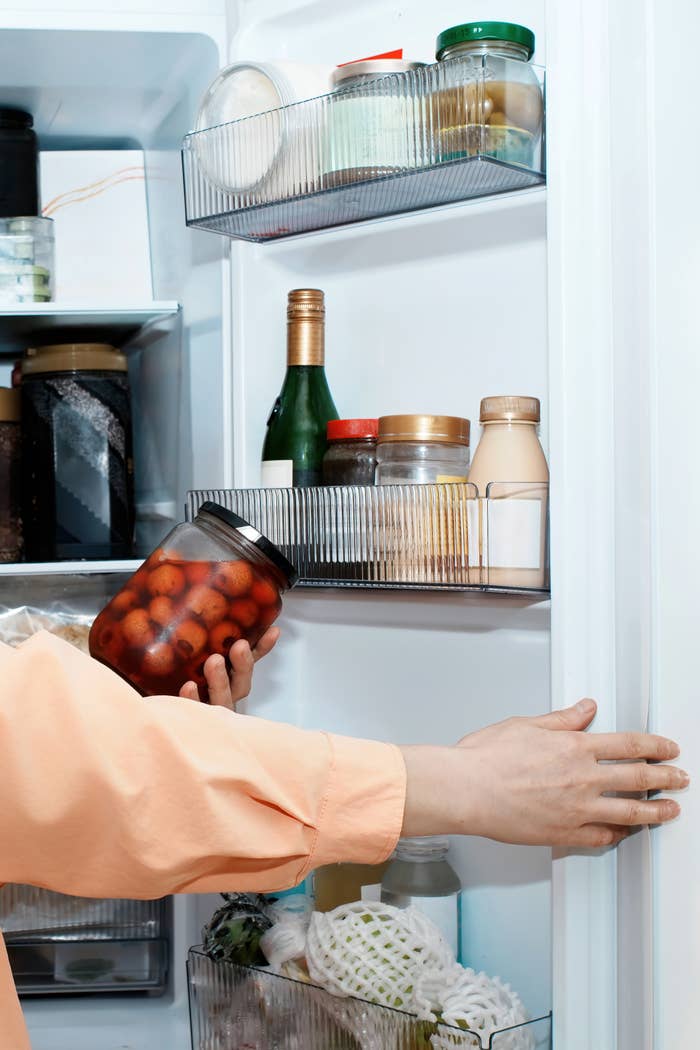
"I would keep raw meats sealed and stored on the lowest shelf, use clear containers so you can see what you have, and allow space for airflow," Sarbit said. "A fridge that’s packed too tightly doesn’t cool evenly, which of course will shorten the shelf life."

Trunz also recommends using refrigerator and pantry bins to organize. "Label bins for yourself and for others helping in your home so everyone can finish the task and put things where they belong," she said. "This also makes it easier to create a grocery list when you see products getting low."

Additionally, it can be helpful to "pull forward the items you need to prepare soon so those items don’t expire." She added, "Take note of what needs to be cooked [and] make a list of meals to prepare for the week ahead based on what you already have."

She also swears by a fridge-cleaning challenge: "Every once in a while, my husband and I [see] how long we can go without going to the grocery store. We eat from the pantry, refrigerator, and freezer. This pushes us to get creative and prevents food from being thrown out. There are even fabulous food apps where you input the ingredients you have, and amazing recipes are generated."

When cleaning the inside of a fridge, Sarbit recommends sticking with mild dish soap, diluted white vinegar, or a gentle, food-safe all-purpose cleaner. "Definitely avoid harsh chemicals like bleach, ammonia, or any heavily fragranced cleaners," he said. "Strong residues tend to linger and transfer onto food packaging."