buzzfeed Press
"There Is Only One Thing Left For You To Do": 22 Times America Was Absolutely In The Wrong
Images
1 / 20
2 / 20

3 / 20
4 / 20
5 / 20
6 / 20
7 / 20
8 / 20
9 / 20
10 / 20
11 / 20
12 / 20
13 / 20
14 / 20
15 / 20
16 / 20
17 / 20
18 / 20
19 / 20
20 / 20
"We didn't do it. I mean, we helped them. Created the conditions as best as possible." —Henry Kissinger

Warning: This post discusses rape, intense violence, torture, and child sexual assault. Please read at your own discretion.

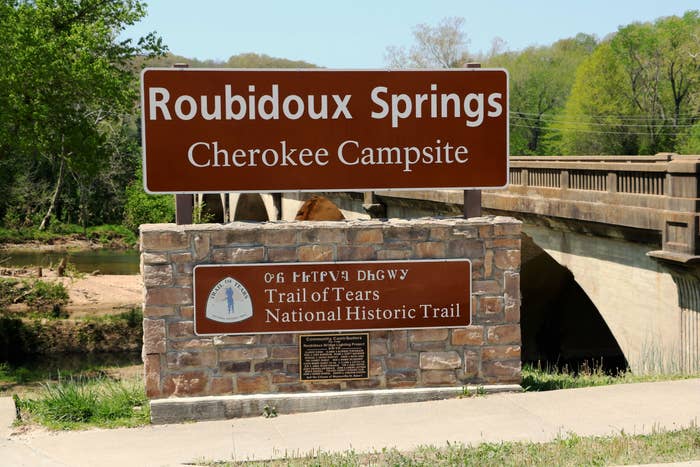
The Treaty of New Echota, later used to justify removal, was signed by a small unauthorized faction of Cherokee leaders while more than 16,000 Cherokee signed a petition opposing it. Even foreign observers recognized what was happening.

"An air of ruin and destruction, something which betrayed a final and irrevocable adieu." —Alexis de Tocqueville, witnessing a Choctaw removal in 1831

The Five Tribes had constitutions, newspapers, legislatures, and agricultural economies. However, the forces driving removal had little to do with governance or coexistence. The Georgia Gold Rush and the rapid expansion of cotton cultivation made the land immensely valuable. White settlers wanted it, and corruption was rampant. Government contractors even stole supplies meant for starving marchers.

The sanitized version taught in many schools often frames removal as a tragic but necessary measure to protect Native Americans from conflict with state governments. In reality, it was a mass expulsion carried out despite the Supreme Court's recognition of tribal sovereignty.

Raphael Lemkin, who coined the term "genocide," defined it broadly as the destruction of a national or ethnic group, including the dismantling of its institutions, culture, and economic life. By that definition, historians have argued that US policies toward Native Americans — including forced removals such as the Trail of Tears — fit within the concept.

Between 1790 and 1860, historians estimate that roughly 835,000 to more than 1 million enslaved people were forcibly moved from the Upper South into the cotton-growing Deep South through the domestic slave trade. The trade was not simply a redistribution of labor. It shattered families, separating spouses and children, while enslaved women's bodies were systematically exploited to sustain and expand the enslaved population.

Slaveholders treated women's reproductive capacity as a form of capital. Enslaved women were forced to perform agricultural labor while also being compelled to bear children who would themselves become property. Violence reinforced this system. Former enslaved people later reported that girls were often subjected to sexual assault between the ages of thirteen and sixteen, reflecting how deeply sexual coercion was embedded in the slave economy. The Unspoken Demands of Slavery

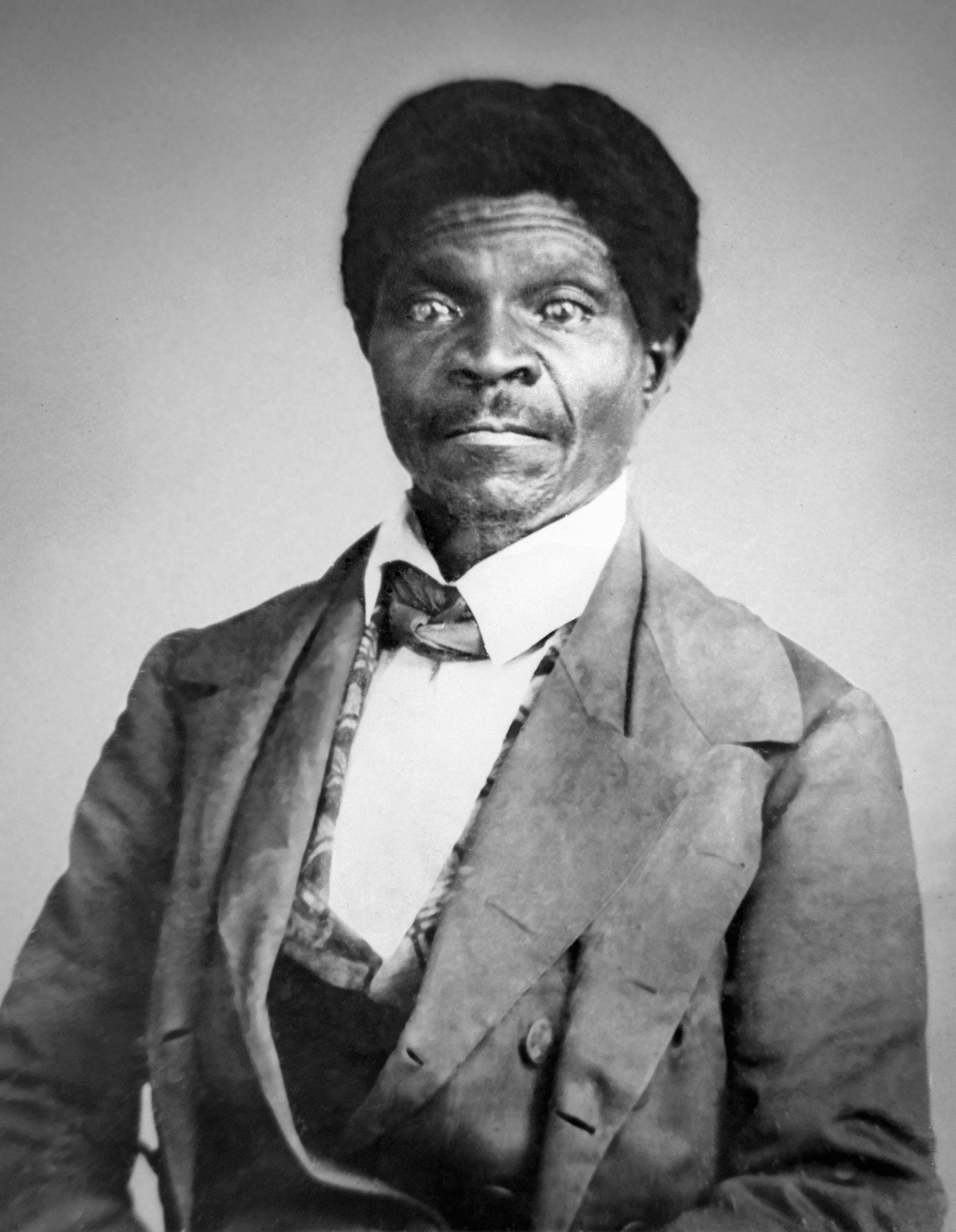
The legal system reinforced that violence. In 1857, the Supreme Court's majority opinion in Dred Scott v. Sandford declared that Black people had "no rights which the white man was bound to respect." The ruling articulated a constitutional order that had long protected slavery through provisions such as the Three-Fifths Clause, the Fugitive Slave Clause, and federal protections for the slave trade.

Later generations would attempt to soften this history through myths of benevolent slavery. But both the historical and economic records tell a different story. Slavery was a moral catastrophe long before economists tried to measure its costs. But recent research suggests that emancipation produced the largest single increase in economic well-being in American history — evidence that the system was destructive even on its own economic terms.

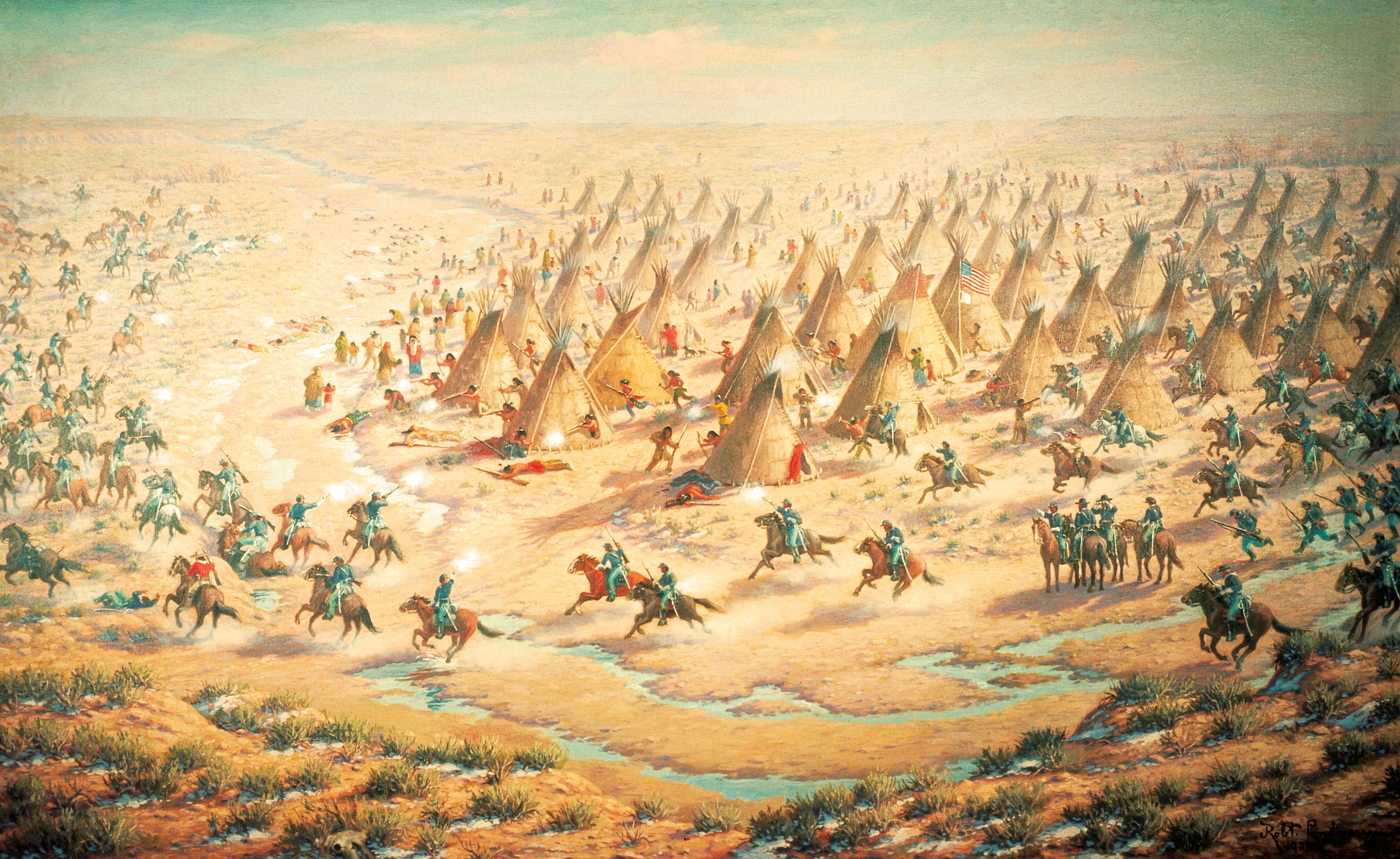
More than 230 Native Americans were killed, most of them women, children, and elderly people, since many of the camp’s warriors were away hunting.

"All manner of depredations were inflicted on their persons; they were scalped, their brains knocked out; the men used their knives, ripped open women, clubbed little children, knocked them in the head with their guns." —Interpreter John Smith, testifying before a federal investigative committee

This was official testimony, not a later legend. Witnesses described soldiers taking scalps, ears, fingers, and other body parts as trophies. Those "trophies" were later returned to Denver with the troops and paraded through the streets.

Three official investigations later condemned the massacre, and the 1865 Treaty of the Little Arkansas acknowledged that the victims "were at peace with the United States, and under its flag."

No one was ever prosecuted. Chivington avoided a court-martial because his military commission had expired. The Sand Creek Massacre National Historic Site was not authorized by Congress until 2000, 136 years later.

The groundwork for the overthrow had been laid years earlier. In 1887, American-linked businessmen forced King Kalākaua to sign the "Bayonet Constitution," dramatically limiting the monarchy's authority while shifting political power toward foreign residents and economic elites. The constitution imposed property requirements that disenfranchised many Native Hawaiians while extending voting rights to non-citizen Americans and Europeans.

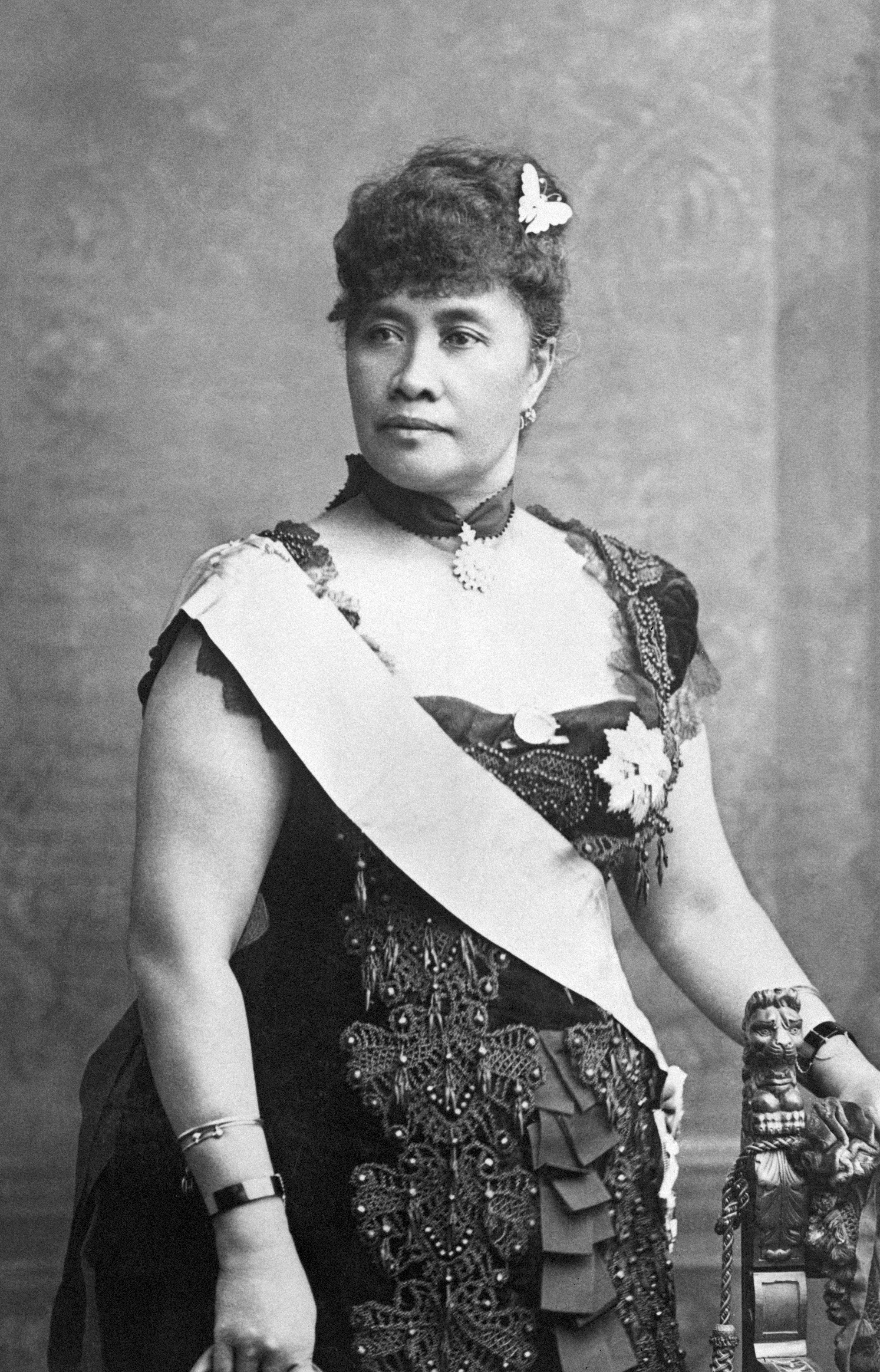
To avoid bloodshed, the Queen yielded under protest, expecting that Washington would later reverse the actions of its representatives and restore the Hawaiian government. In her formal statement, she wrote that she surrendered to the "superior force of the United States of America." Sanford Dole, a Hawaiian citizen from a missionary family, soon became head of the new provisional government and later president of the Republic of Hawai'i.

Native Hawaiians overwhelmingly opposed the overthrow and the push for annexation. In 1897, a massive petition campaign against annexation gathered 21,269 signatures, representing a large majority of the Native Hawaiian population.

President Grover Cleveland ordered an investigation into the coup. The resulting Blount Report concluded that US representatives had "abused their authority and were responsible for the change in government." Cleveland attempted to restore Queen Lili'uokalani to the throne, but Dole's government refused.

After her imprisonment was lifted, the Queen traveled to Washington, DC, where she spent months lobbying American officials to restore the Hawaiian monarchy and block annexation. Her appeals ultimately failed.

Hawai'i was annexed in 1898 through a joint congressional resolution rather than a treaty, meaning there was no plebiscite and no formal consent from the Hawaiian people. Strategic concerns reinforced the economic motivations. When the Spanish-American War broke out that same year, American leaders viewed Hawai'i as a crucial Pacific naval base and staging point for military operations — particularly the US campaign in the Philippines — which accelerated the decision to annex the islands.

A century later, Congress acknowledged the events in the 1993 Apology Resolution (Public Law 103-150), formally recognizing that the United States had overthrown "the indigenous and lawful Government of Hawaii" and that Native Hawaiians had "never directly relinquished their claims to their inherent sovereignty."

It took one hundred years for an official apology. No land was returned. The legacy of the overthrow remains visible today. Native Hawaiians make up roughly 20% of Hawai'i's population but around 40% of the state's homeless population, one of the starkest disparities in the United States.

Historians often analyze the Philippine-American War as an early example of modern counterinsurgency, in which US forces combined intelligence networks, population control measures, and coercive tactics to suppress local insurgencies.

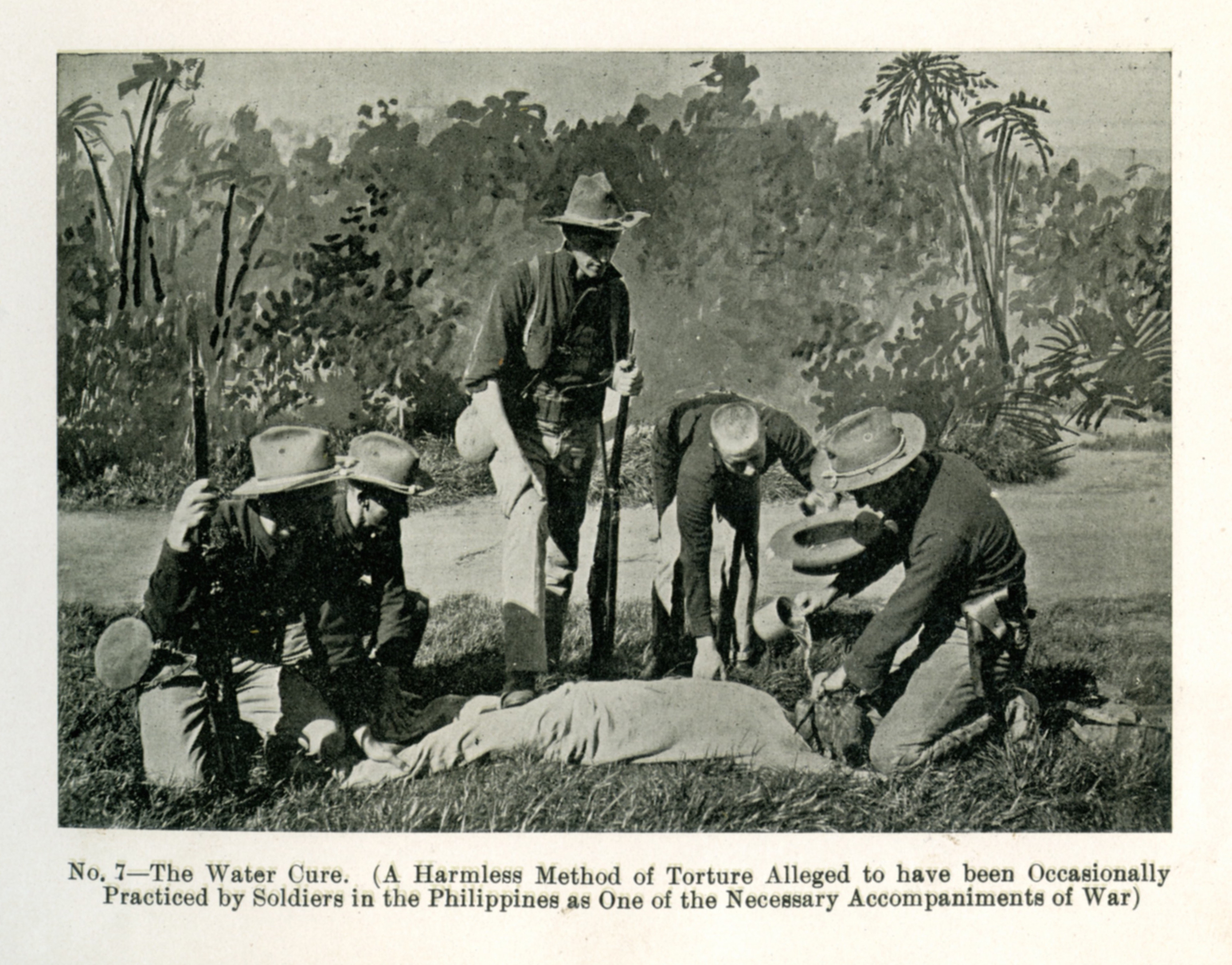
The war featured repeated torture, most notoriously the "water cure," in which prisoners were forced to ingest large quantities of water until they neared collapse. Lieutenant Grover Flint described the process in testimony before the Senate's Philippines Committee.

After an ambush on Samar, General Jacob H. Smith ordered his troops to kill everyone over the age of 10 and turn the island into a "howling wilderness."

In Batangas and Laguna, General J. Franklin Bell forced civilians into reconcentration camps or so-called "zones of protection," where disease and overcrowding proved deadly. Between January and April 1902 alone, 8,350 prisoners out of roughly 298,000 died in the camps.

In 1902, Smith was court-martialed but received only a mild punishment. In most American textbooks, the war receives little more than a paragraph.

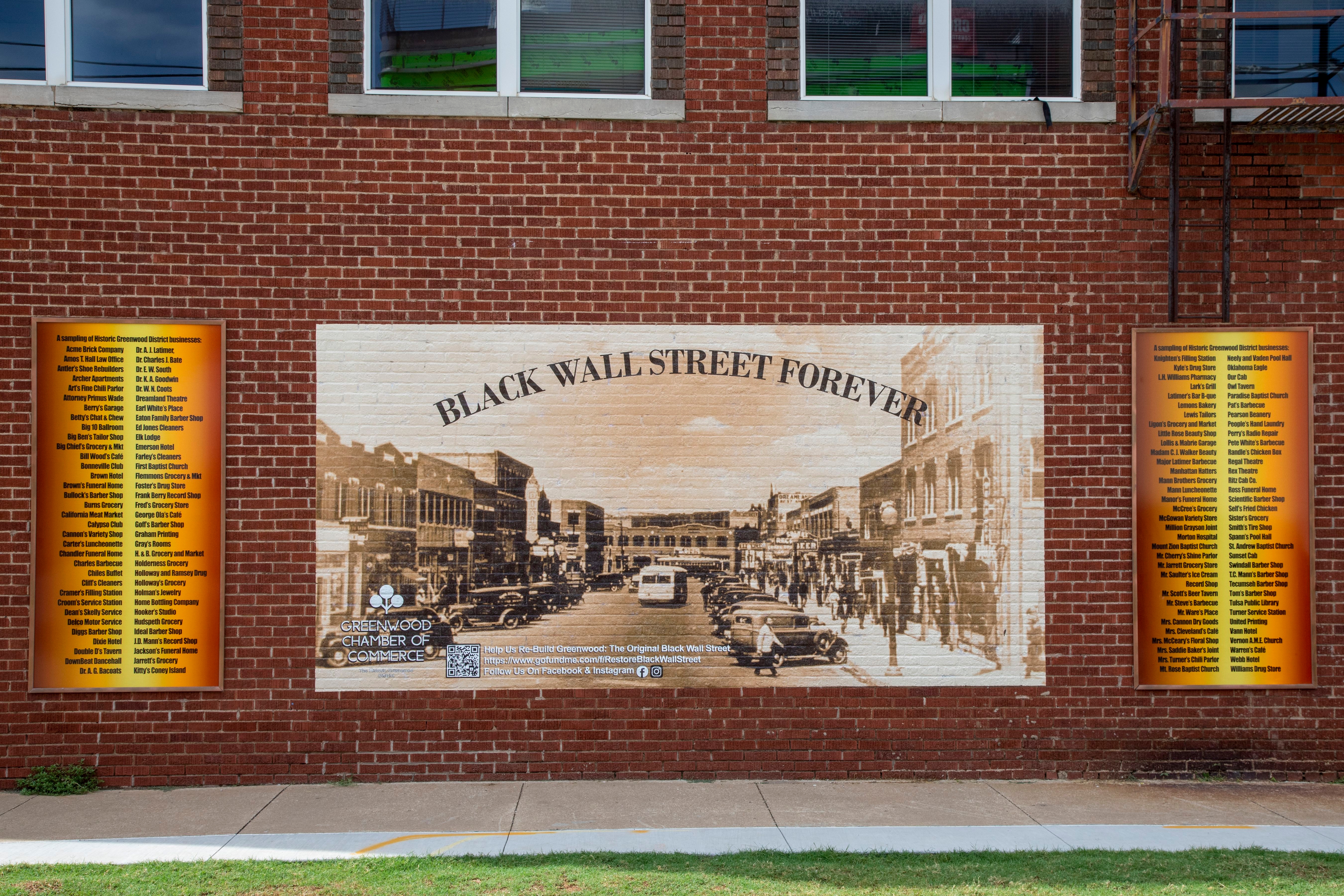
Eyewitnesses reported airplanes flying over Greenwood, and multiple accounts described aerial incendiaries being dropped. Thirty-five square blocks were burned. A total of 1,256 homes and 191 businesses were destroyed, along with churches, a school, a hospital, and a library. Between 50 and 300 people were estimated to be killed, and a majority of Black residents were left homeless.

In the aftermath, more than 6,000 Black residents were interned at the Convention Hall and Fairgrounds. They could only be released if a white person agreed to take responsibility for them. Property damage totaled at least $2.25 million — more than $41 million in today’s dollars. Residents filed $1.8 million in insurance claims, but virtually all were denied after officials labeled the event a "riot," allowing insurers to invoke riot exclusion clauses.

The suppression of the massacre's history was nearly as systematic as the attack itself. The Tulsa Tribune removed its inflammatory front-page story from bound volumes, while police and state militia records disappeared. For more than 75 years, the event was excluded from Oklahoma school curricula. The Library of Congress didn't change its subject heading from "Tulsa Race Riot" to "Tulsa Race Massacre" until March 2021.

No one was ever prosecuted. The consequences persisted long after the fires were extinguished. Research by the National Bureau of Economic Research found the massacre sharply reduced Black homeownership in Tulsa, with measurable effects still visible as late as the year 2000.

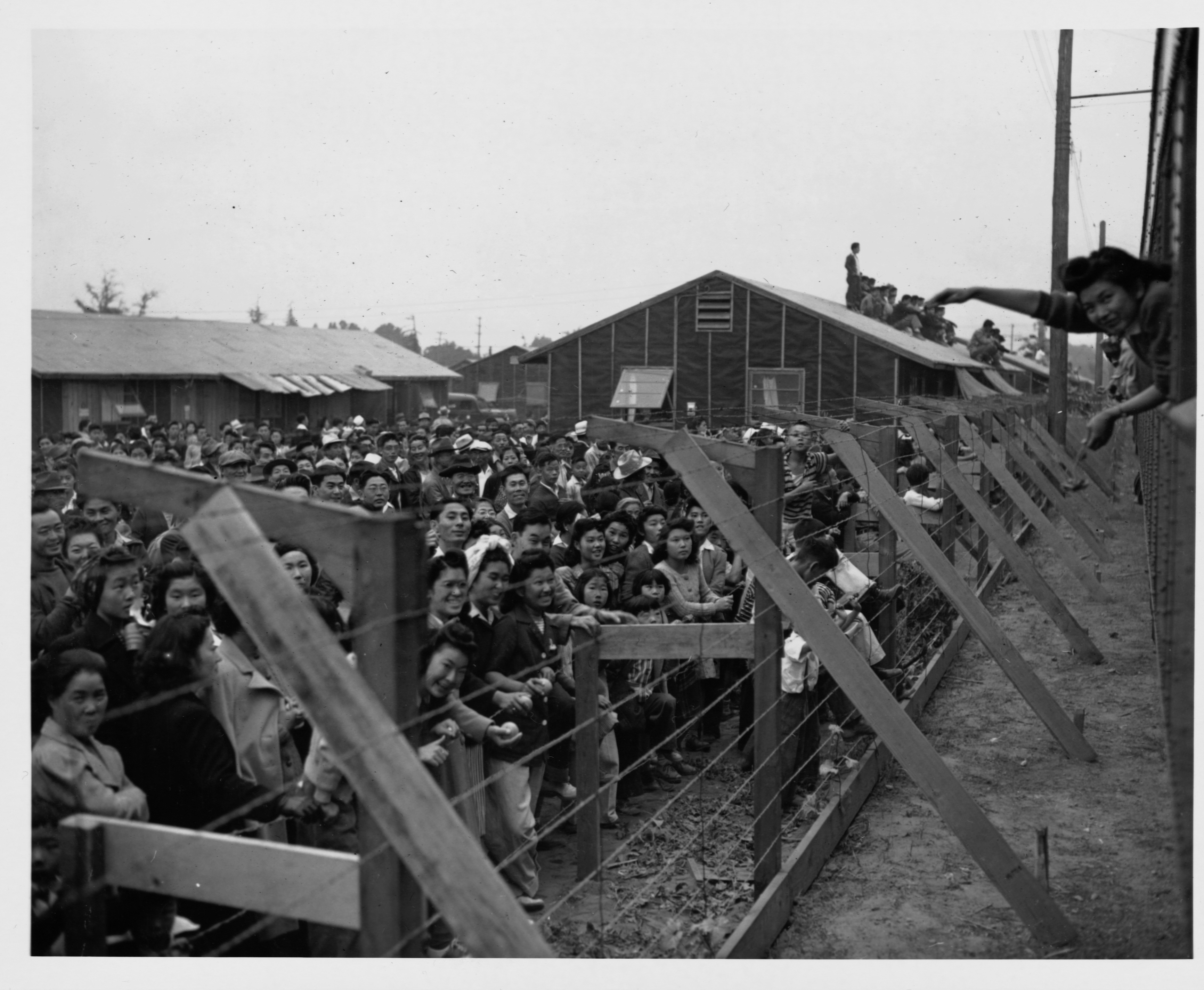
Many of the detainees were first-generation immigrants who had been legally barred from naturalizing under US law. Federal courts had ruled that Japanese immigrants were ineligible for citizenship, most notably in Ozawa v. United States, which held that only "free white persons" under the Naturalization Act of 1790 could naturalize. As a result, many Japanese immigrants lived in the United States for decades without any path to citizenship.

Despite the sweeping incarceration, no Japanese American was ever charged with espionage or sabotage during the war. An Office of Naval Intelligence report had concluded that Japanese Americans posed no meaningful security threat, but the government suppressed that assessment while defending the policy before the Supreme Court.

In Korematsu v. United States, the Court upheld the constitutionality of the internment program. In dissent, Justice Frank Murphy condemned the ruling as "the legalization of racism."

At the same time, thousands of Japanese Americans served in the US military. The 442nd Regimental Combat Team, composed largely of volunteers from internment camps, became one of the most decorated units in American military history. The government thus imprisoned Japanese American families while recruiting their sons to fight in Europe.

The policy's stated justification of "military necessity" was further undermined by the fact that Japanese Americans in Hawaii — who constituted a much larger share of the population and lived closer to the Pacific war zone — were not mass interned.

The economic damage was immense. Property losses totaled an estimated $1.3 billion in real estate and $2.7 billion in lost income (in 1983 dollars). Decades later, the Civil Liberties Act of 1988 acknowledged that the policy had been driven by "racial prejudice, war hysteria, and a failure of political leadership." It provided surviving internees with $20,000 each and a presidential apology — a fraction of the wealth that had been lost.

Many senior American military leaders later questioned whether the atomic bombings were necessary to end the war. President Dwight D. Eisenhower recalled telling Secretary of War Henry L. Stimson that "Japan was already defeated and dropping the bomb was completely unnecessary." Admiral William D. Leahy condemned the weapon as an ethical standard "common to the barbarians of the Dark Ages," while Fleet Admiral Chester W. Nimitz stated that "the atomic bomb played no decisive part in the defeat of Japan." In retrospect, seven of the eight top US military commanders at the end of the war expressed the view that the bombings were not militarily necessary.

A major postwar government study reached a similar conclusion. The United States Strategic Bombing Survey determined that Japan would likely have surrendered even without the atomic attacks, concluding that "Japan would probably have surrendered even if the atomic bombs had not been dropped, even if Russia had not entered the war, and even if no invasion had been planned."

At the same time, Japanese leaders were exploring ways to end the war. Tokyo had begun seeking Soviet mediation in hopes of negotiating surrender terms, with the preservation of the emperor emerging as the central condition. In the end, the United States accepted the continued existence of the imperial institution after Japan’s surrender.

Some historians argue that another development may have been decisive. On August 8, 1945, the Soviet Union declared war on Japan and launched a massive invasion of Japanese-held territory in Manchuria. Historian Tsuyoshi Hasegawa has argued that the sudden collapse of Japan’s strategic position after the Soviet entry into the war may have been the greater factor in the Japanese leadership’s decision to surrender.

The bomb also had geopolitical implications beyond Japan. Secretary of War Henry L. Stimson privately described the weapon as the United States' "master card" in its emerging relationship with the Soviet Union. Some scholars, most notably Gar Alperovitz, have argued that demonstrating the new weapon to Moscow played an important role in the decision to use it.

The familiar claim that the bombings saved "a million lives" emerged largely after the war and does not appear in the main contemporary planning estimates for a potential invasion of Japan. None of this resolves the moral calculus of the decision. But it complicates the simplified narrative often presented in textbooks, which frames the atomic bombings as the only realistic way to end the war.

Operation Ajax cost the CIA about $1 million. The agency funded demonstrations, bribed military officers, planted propaganda in Iranian newspapers, and organized paid mobs to create unrest and turn public opinion against Mossadegh. On August 19, 1953, the coup succeeded. Mossadegh was arrested. The Shah, Mohammad Reza Pahlavi — who had briefly fled the country — returned to power.

The Shah ruled Iran for the next 25 years with strong US backing. His secret police force, SAVAK — created with assistance from the CIA — monitored dissidents and used imprisonment, torture, and intimidation to suppress opposition. Political dissent was tightly controlled, and opposition movements were violently suppressed.

In 1979, the Iranian Revolution overthrew the Shah. Revolutionaries stormed the US Embassy and held 52 Americans hostage for 444 days — an episode shaped in part by long-standing resentment over the 1953 coup and US support for the Shah’s government.

In 2013, newly released CIA documents confirmed that the United States had helped orchestrate the coup. In many American textbooks, the 1979 hostage crisis is covered extensively. However, the 1953 coup that helped shape the events leading up to it is often mentioned only briefly, if at all.

Secretary of State John Foster Dulles and CIA Director Allen Dulles had both worked at Sullivan & Cromwell, the Wall Street law firm that represented United Fruit.

Operation PBSUCCESS was authorized with a budget of roughly $2.7 million. The CIA trained about 1,700 anti-Árbenz fighters in Nicaragua and Honduras, operated a clandestine propaganda radio station, and conducted aerial bombing and strafing missions against Guatemalan targets. The campaign relied heavily on psychological warfare designed to convince the Guatemalan military that resistance was hopeless.

The strategy worked. On June 27, 1954, President Jacobo Árbenz resigned. He was replaced by Colonel Carlos Castillo Armas, the CIA's preferred candidate.

The consequences extended far beyond the coup itself. Guatemala descended into a 36-year civil war (1960–1996) that left more than 200,000 people dead or disappeared. According to the UN-backed Commission for Historical Clarification, government forces carried out 626 documented massacres. The commission also found that 83% of victims were Indigenous Maya and concluded that acts of genocide had occurred.

"What we propose is patently a violation of our own principles." —State Department official Viron Vaky, in a memo warning against US support for repression

The coup's influence rippled across the Cold War. A young Argentine doctor named Ernesto "Che" Guevara was living in Guatemala during the overthrow of Árbenz. Witnessing the coup helped radicalize him — an experience that would shape his later role in the Cuban Revolution that the United States would spend decades trying to defeat.

When penicillin became the standard cure for syphilis by the mid-1940s, it was deliberately withheld. PHS researchers instructed local physicians: "He's under study and not to be treated."

They actively intervened to prevent participants from accessing treatment programs available to other residents. When a mobile treatment unit reached Macon County, PHS staff ensured study enrollees were excluded.

A 1969 internal review committee voted to continue the study rather than treat the participants, allowing researchers to track the men until death and conduct autopsies. At least 28 men died directly from syphilis, and researchers estimated that as many as 100 deaths were attributable to the disease. Forty wives were infected, and 19 children were born with congenital syphilis.

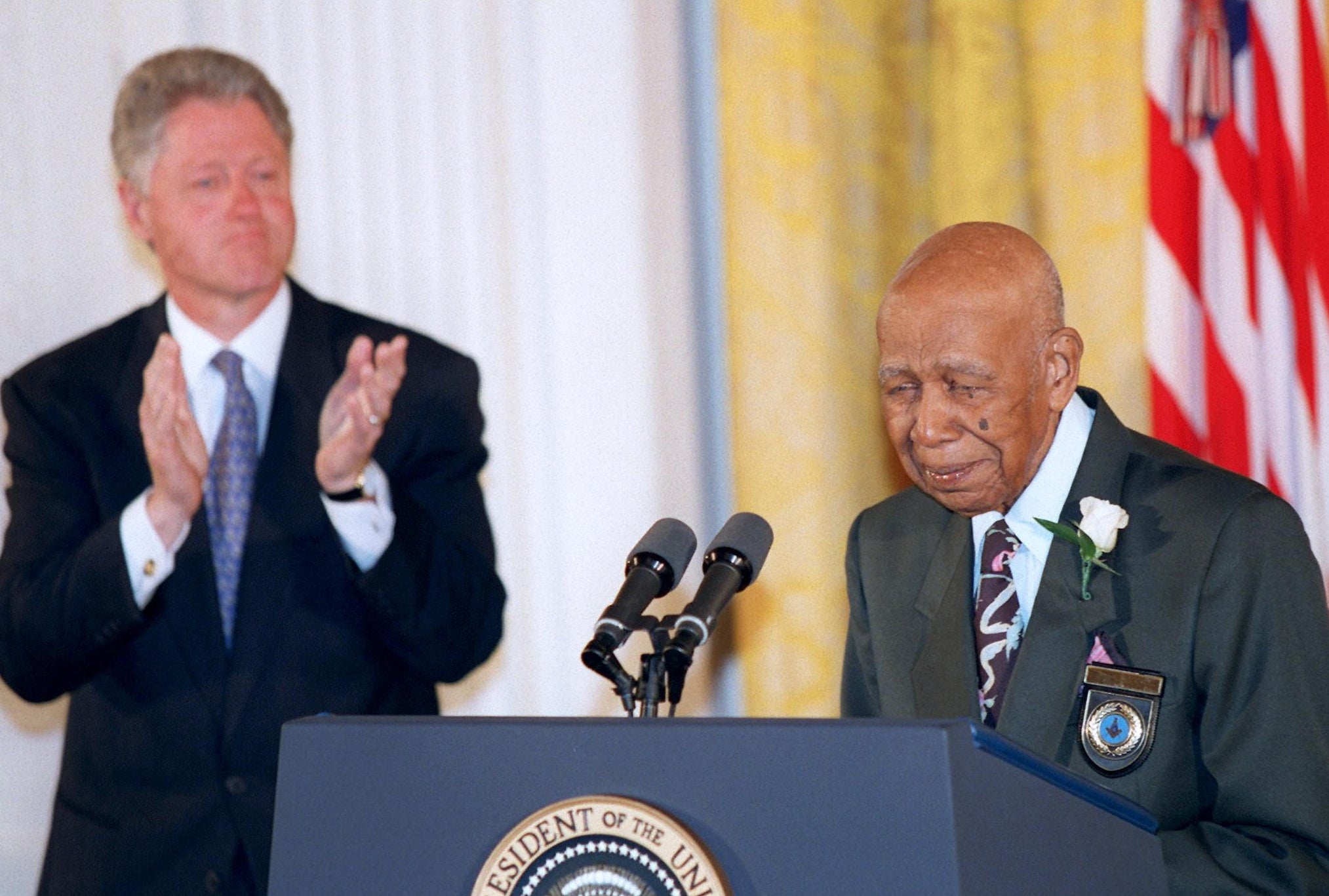
When whistleblower Peter Buxton leaked the story to the Associated Press in 1972, the study had been running for four decades. No one was ever prosecuted. In 1997, President Clinton apologized, calling it "deeply, profoundly, morally wrong."

The experiment remains a documented driver of persistent medical distrust among Black Americans, linked to lower rates of clinical trial participation, organ donation, and vaccine uptake.

Some experiments took place in CIA safehouses where unwitting individuals were secretly dosed with LSD while agents observed their reactions. CIA operatives also spiked drinks at parties, bars, and restaurants as part of early MKUltra tests. Operation Midnight Climax later set up CIA-run brothels in San Francisco and New York, where sex workers on the agency’s payroll drugged clients while agents watched through two-way mirrors.

Dr. Sidney Gottlieb, the chemist who ran MKUltra, secretly dosed colleagues with LSD without their knowledge at a CIA retreat in 1953. One of them, Frank Olson, developed severe psychological symptoms after the experiment. Nine days later, Olson fell to his death from a 10th-floor window of the Statler Hotel in New York. The CIA ruled the death a suicide.

His family was initially told only that he had fallen or jumped from the hotel window while working on classified government research. They were not informed that he had been secretly given LSD until the revelations of the CIA’s mind-control experiments in 1975.

In 1973, CIA Director Richard Helms ordered the destruction of most MKUltra records. The program is known largely because some budget and fiscal files survived and were discovered during later investigations. Surviving documents and congressional investigations revealed CIA-funded experiments involving psychiatric patients, prisoners, and other vulnerable subjects, including LSD testing and other attempts to manipulate human behavior.

One notorious MKUltra subproject took place at the Allan Memorial Institute in Montreal, where psychiatrist Donald Ewen Cameron subjected psychiatric patients to extreme treatments intended to "depattern" the mind. Patients were placed in drug-induced comas lasting weeks, exposed to repeated LSD dosing, and subjected to electroshock therapy at intensities far beyond standard medical practice. Cameron also developed a technique he called "psychic driving," in which sedated patients were forced to listen to recorded messages played on continuous loops for days or weeks in an attempt to reshape their personalities.

"The covert testing programs resulted in massive abridgments of the rights of American citizens, some of whom died as a result." —1977 Senate Select Committee on Intelligence

Mid-1970s congressional investigations, including the Church Committee and later Senate hearings on MKUltra, exposed the CIA's mind-control program. But because Richard Helms ordered most of the records destroyed in 1973, the full scope of the project will probably never be known. Sidney Gottlieb, the CIA chemist most closely associated with MKUltra, received immunity for his Senate testimony and died in 1999 at age 80.

The campaign against King escalated in 1964. That November, the FBI mailed him an anonymous package containing surveillance recordings and a letter warning: "There is only one thing left for you to do. You know what it is." The message was widely interpreted as an attempt to pressure King into suicide. The package was timed to arrive shortly before he traveled to Oslo to receive the Nobel Peace Prize.

COINTELPRO operations against the Black Panther Party were even more aggressive. The FBI ran at least 233 documented operations against the Panthers, including efforts to inflame violent rivalries between Black activist groups. Agents circulated forged letters and fabricated cartoons designed to provoke retaliation. These operations contributed to multiple killings.

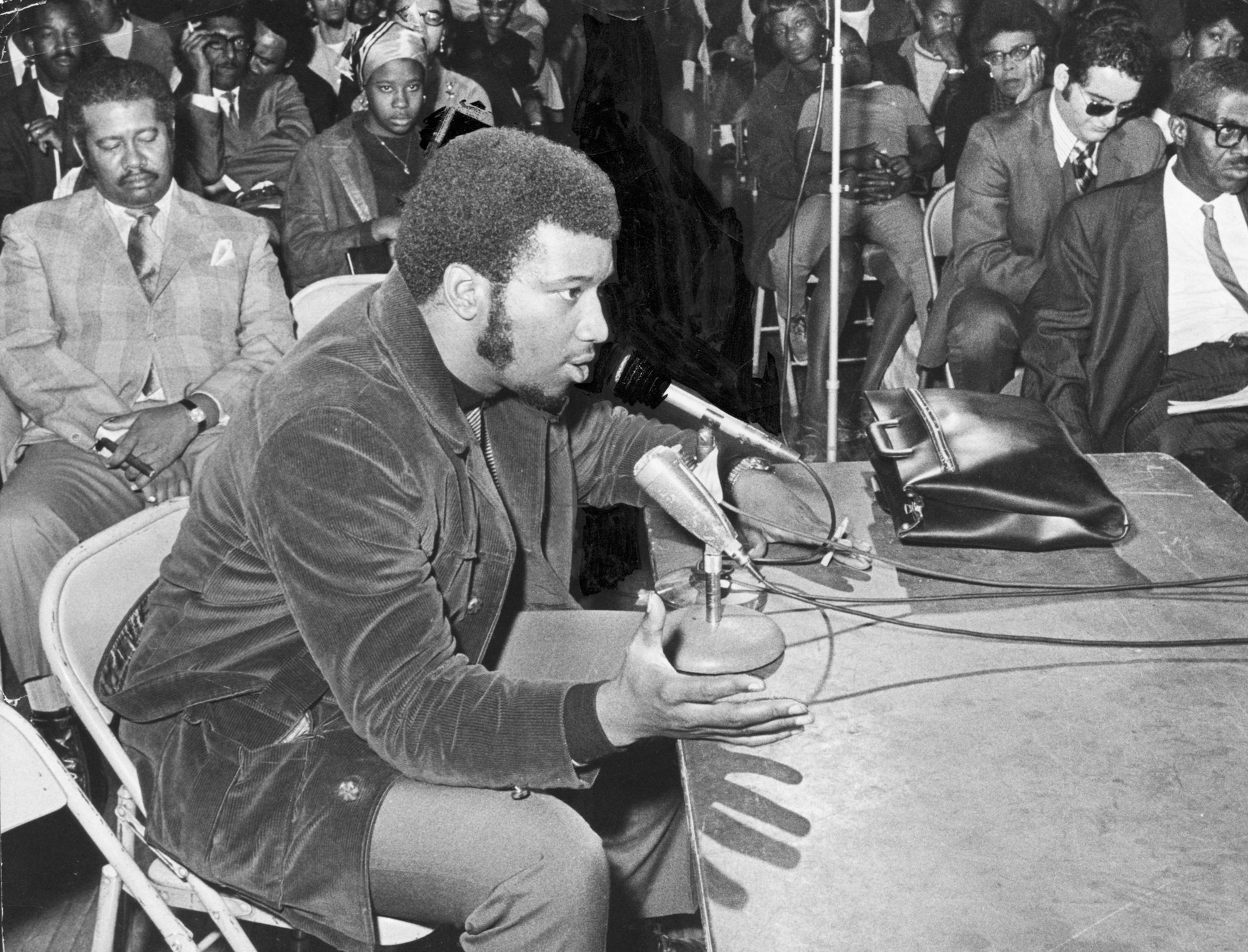
The most notorious case occurred in Chicago on December 4, 1969. FBI informant William O'Neal supplied authorities with a detailed floor plan of Black Panther leader Fred Hampton's apartment and helped drug the 21-year-old the night before the raid. Before dawn, a police tactical team entered the apartment and opened fire. Ballistics later determined that police fired roughly 99 shots, while the Panthers fired a single round, discharged from Mark Clark's shotgun after he was fatally shot.

Officers then entered Hampton's bedroom, where he lay unconscious beside his pregnant fiancée. Two shots were fired into his head at close range. According to witnesses, one officer remarked afterward, "He's good and dead now." O'Neal later received a $300 payment for his role in the operation. No senior FBI officials were prosecuted.

"How could I have been so stupid to have let the invasion go ahead?" —President John F. Kennedy, reportedly after the invasion failed

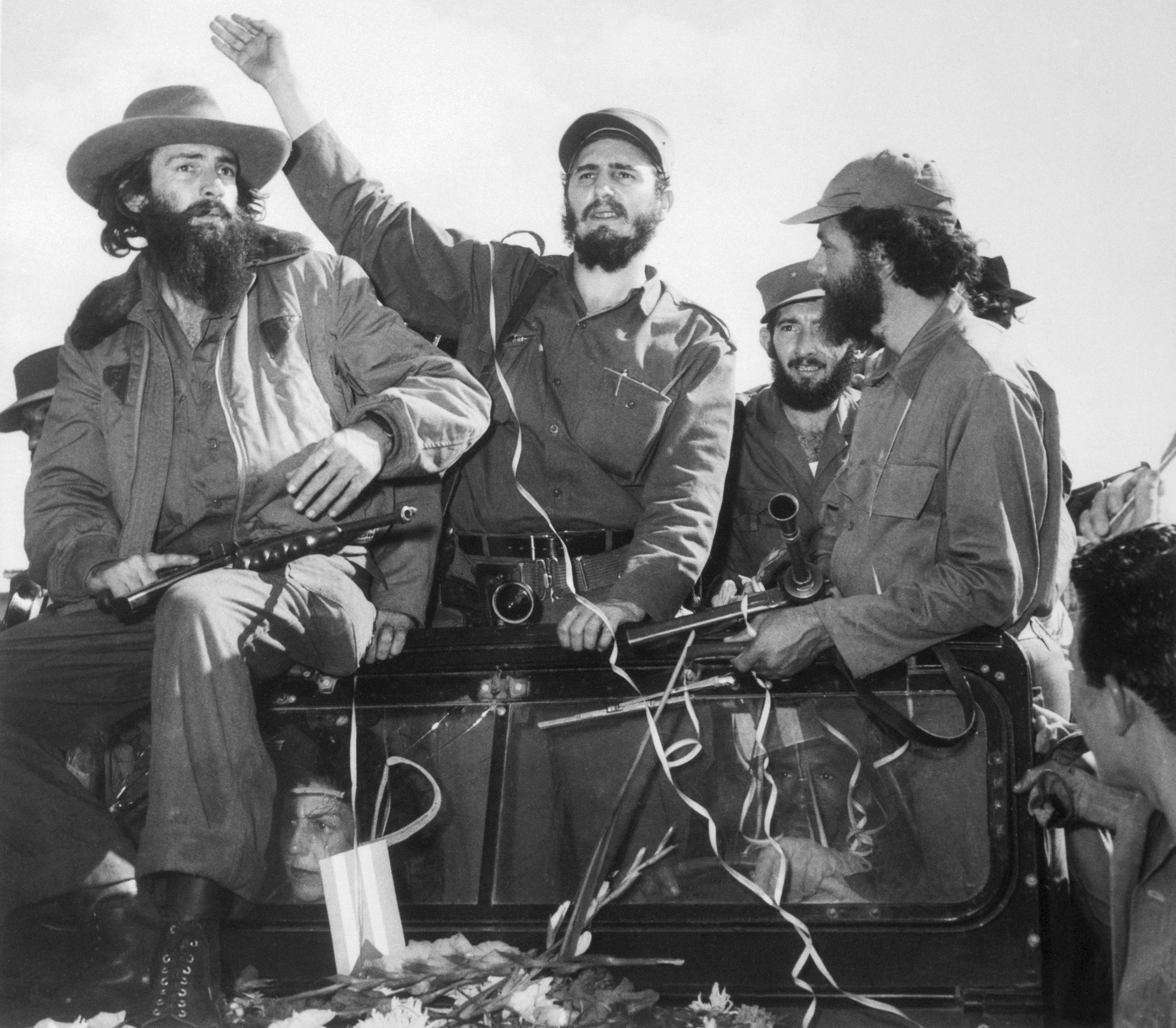
Though CIA analysts had assured Kennedy that Cubans were ready to rise up against Fidel Castro, Castro still enjoyed significant support in 1961. He'd overthrown the US-backed dictator Fulgencio Batista just two years earlier and introduced land reform, education programs, and expanded social services.

The United States initially denied involvement. However, the invasion force had been trained at CIA camps in Guatemala, transported on US-supplied ships, and supported by aircraft whose American markings had been painted over.

At the United Nations, US Ambassador Adlai Stevenson defended Washington's claim that the invasion was carried out by Cuban exiles. When Soviet representatives challenged the story, Stevenson — who had been kept largely in the dark about the operation — later discovered he had been misled.

The disaster humiliated the United States internationally, pushed Castro closer to the Soviet Union, and helped set the stage for the Cuban Missile Crisis 18 months later. Although the CIA was temporarily barred from running paramilitary operations, the restriction was later ignored.

Castro eventually released the captured fighters in exchange for $53 million in food and medicine. The US paid the ransom while still officially denying responsibility. Inside intelligence circles, "Bay of Pigs" became shorthand for a catastrophic failure of planning and judgment.

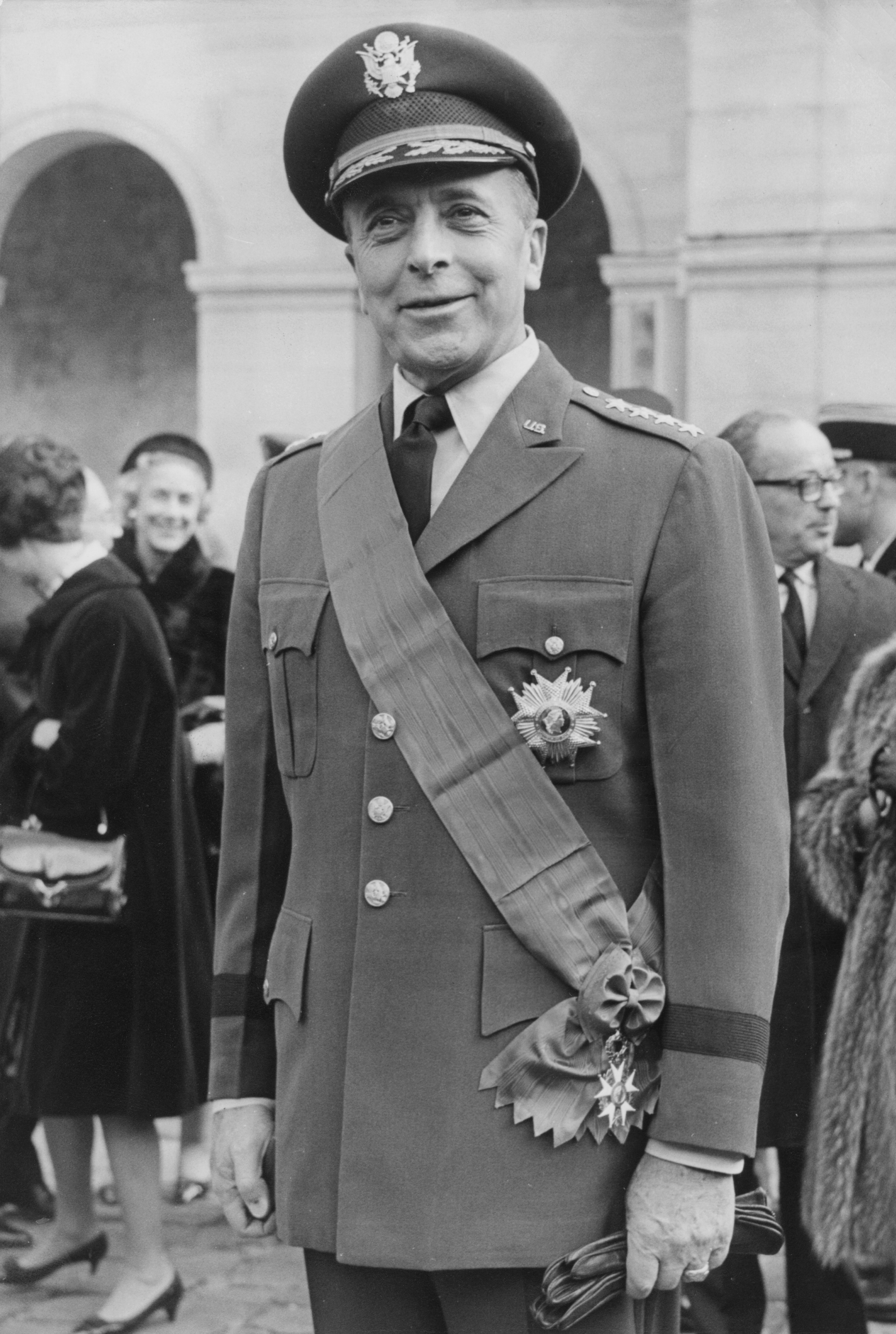
One proposal in the document states: "We could blow up a US ship in Guantanamo Bay and blame Cuba … Casualty lists in US newspapers would cause a helpful wave of national indignation." Another suggests developing "a Communist Cuban terror campaign in the Miami area, in other Florida cities, and even in Washington." The document even notes that the campaign could include bombings or attacks blamed on Cuban agents, including violence directed at Cuban refugees.

The proposal was formally approved by the Joint Chiefs of Staff and sent to the White House under the signature of their chair, Lyman Lemnitzer, the president's top military adviser. However, President Kennedy rejected the plan, and it was never implemented.

Relations between Kennedy and the Joint Chiefs were already strained after the failed Bay of Pigs invasion the year before. Later that year, Kennedy declined to renew Lemnitzer's term as chair — an unusual break with normal practice for a sitting Joint Chiefs chair — and reassigned him to command NATO forces in Europe. Operation Northwoods remained classified for decades. The documents were finally released in 1997 as part of a review of records connected to the Kennedy assassination.

The proposal shows that senior US military leaders seriously proposed staging violent incidents — potentially including attacks that could kill Americans — as propaganda to create public support for war with Cuba. The only thing that prevented the plan from moving forward was the president's refusal to approve it. Lemnitzer later served as Supreme Allied Commander of NATO from 1963 to 1969, and no officials were disciplined for proposing the plan.

In one incident described in the Army's official investigation, soldiers gathered a group of women and children and attempted to tear the blouse off a young girl. They stopped only after noticing Army photographer Ronald L. Haeberle documenting the scene.

The massacre stopped only when helicopter pilot Hugh Thompson Jr. landed his aircraft between American soldiers and fleeing villagers. Thompson ordered his crew to fire on US troops if they continued shooting civilians and helped evacuate several villagers to safety. Thompson was later ostracized by many soldiers and officers, and the Army initially covered up the massacre for more than a year.

Among the officers present was William Calley, a platoon leader in Charlie Company. Witnesses later testified that Calley ordered civilians to be gathered and shot. In one of the most notorious incidents, dozens of men, women, and children were forced into an irrigation ditch and killed with automatic weapons.

Calley was convicted on March 29, 1971, of the premeditated murder of 22 Vietnamese civilians, though he had originally been charged with killing 109 people. He was sentenced to life imprisonment at hard labor.

President Richard Nixon intervened immediately. On April 1, 1971 — just three days after the verdict — Nixon ordered Calley to be moved from the stockade to house arrest at Fort Benning while appeals proceeded. His sentence was later reduced from life to 20 years and then to 10.

Calley spent only three days in a military stockade before being placed under house arrest. He was paroled on November 9, 1974, after roughly 3.5 years under some form of restriction. He was the only person convicted out of roughly 25 soldiers charged in connection with the massacre. He died at age 80 in 2024.

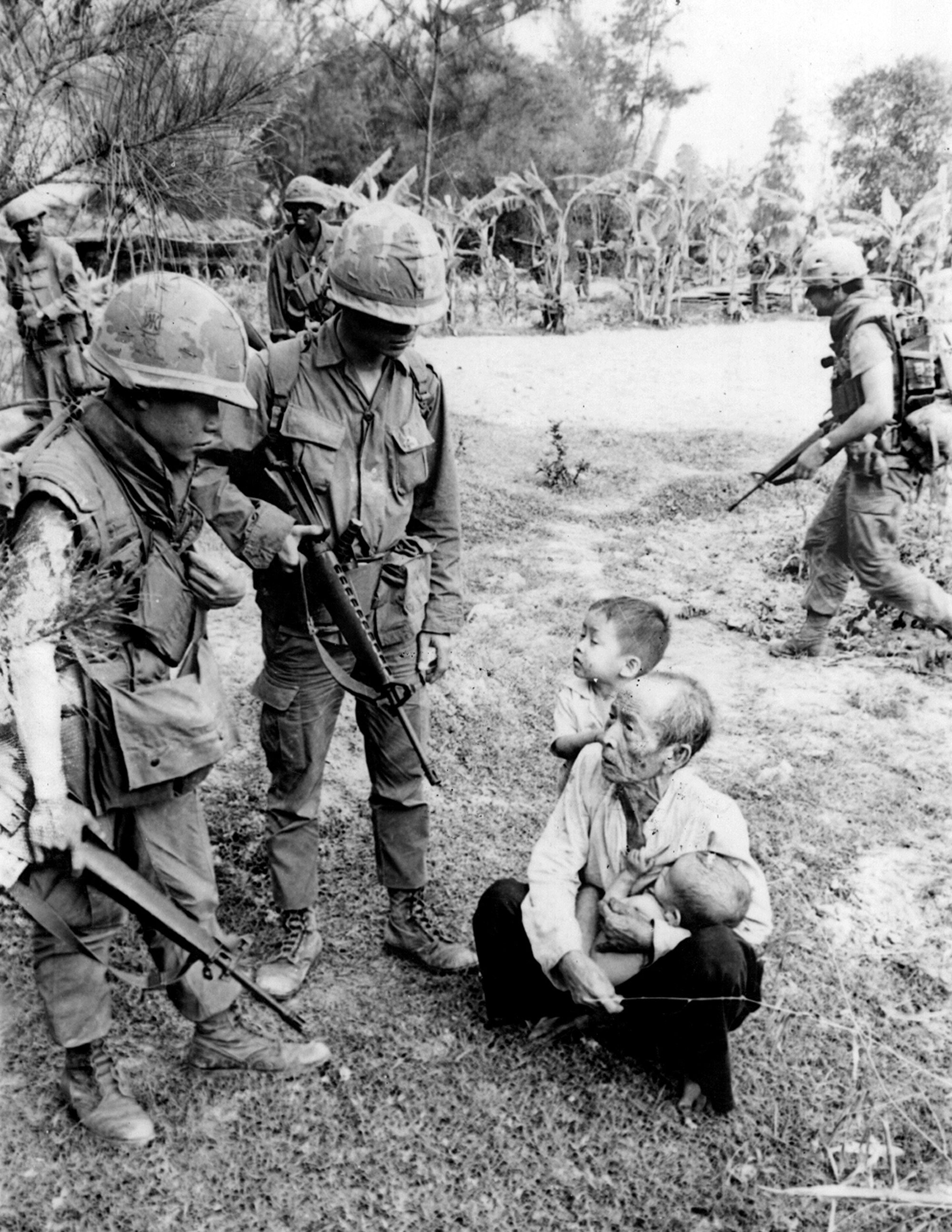
Millions of people — including Vietnamese civilians, American service members, and others in the region — were exposed to Agent Orange, and the long-term health effects of dioxin exposure remain the subject of ongoing scientific research.

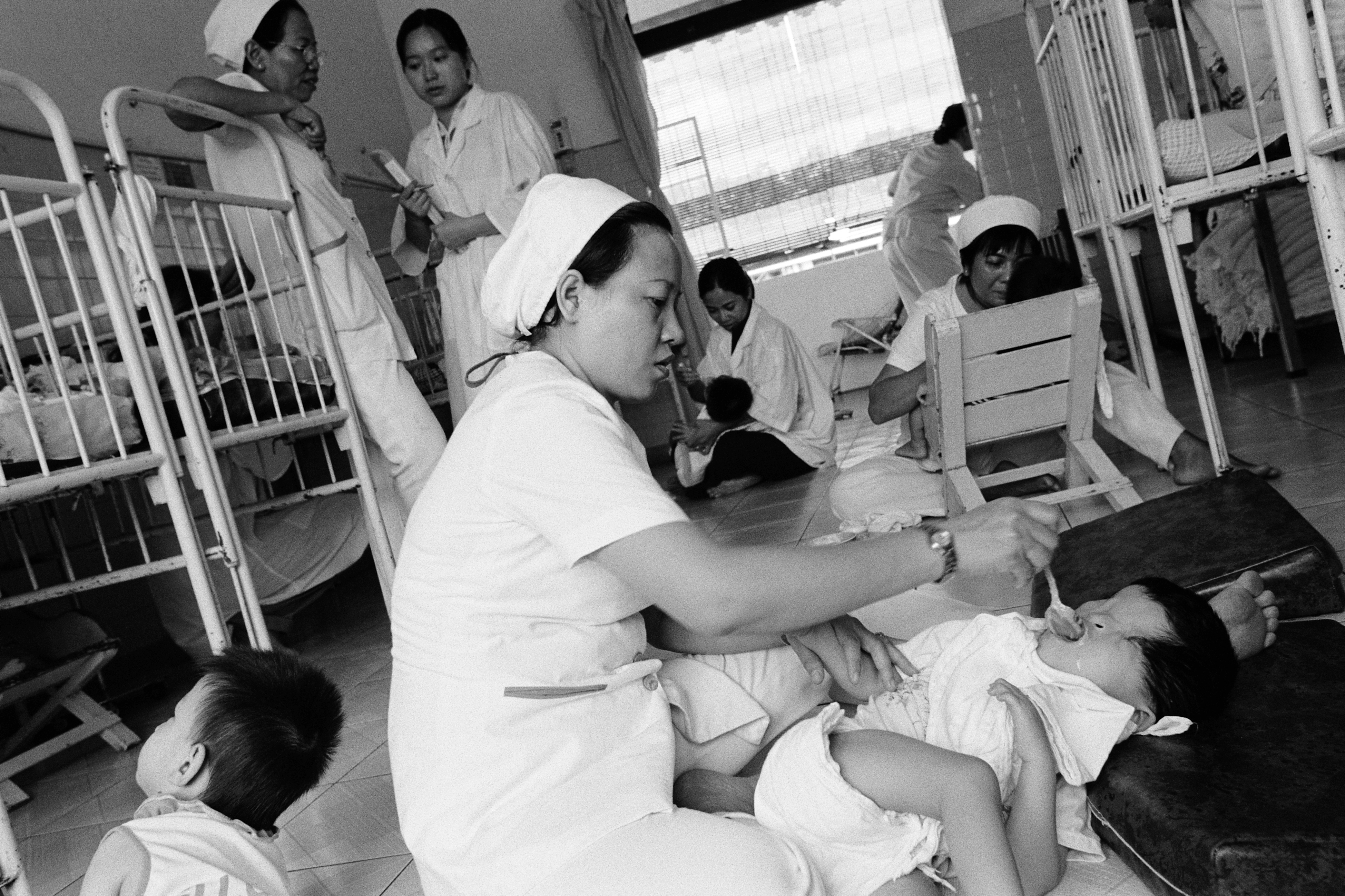
It's estimated that as many as 4.8 million people in Vietnam were exposed to Agent Orange, and that hundreds of thousands suffered illness or death linked to the chemical. Studies and reports also estimate that hundreds of thousands of children were born with birth defects associated with dioxin exposure, including spina bifida and other congenital abnormalities.

American troops were also exposed. The US Department of Veterans Affairs now recognizes numerous diseases — including certain cancers, diabetes, Parkinson's disease, and peripheral neuropathy — as conditions associated with Agent Orange exposure for disability compensation. According to the Cleveland Clinic, more than 300,000 US veterans have died from illnesses linked to Agent Orange exposure, while thousands more live with chronic health conditions related to the chemical.

"We were aware of the potential for damage due to dioxin contamination. However, because the material was to be used on the enemy, none of us were overly concerned.  We never considered a scenario in which our own personnel would become contaminated with the herbicide." —Air Force researcher James Clary

South Korean troops were likewise affected. About 320,000 South Korean soldiers served in Vietnam between 1964 and 1973, many in areas heavily sprayed with herbicides. South Korean courts later ruled that chemical manufacturers such as Dow Chemical and Monsanto must compensate Korean veterans who developed Agent Orange-related illnesses.

Dioxin contamination also persists in the environment decades after the war. Because TCDD is highly persistent in soil and the food chain, elevated levels remain around former US airbases such as Da Nang and Bien Hoa, where herbicides were stored and loaded during the war. The US and Vietnam have undertaken limited cleanup efforts, but contamination continues to affect Vietnamese civilians living near former military sites.

The United States has never accepted legal liability for Vietnamese victims. Vietnamese plaintiffs filed a class-action lawsuit in US federal court in 2005, but the case was dismissed and later rejected on appeal. The court held that the use of herbicides was not a war crime and that sovereign immunity protected the US government. The Supreme Court declined to hear the case in 2009.

By contrast, the United States has paid over $22 billion in disability compensation to American veterans and their families for illnesses associated with Agent Orange exposure.

Historians estimate that tens of thousands to more than 150,000 Cambodian civilians were killed in the bombing campaign.

The bombing of Cambodia raised serious international and domestic legal questions. Cambodia was officially neutral in the Vietnam War, and Congress had never authorized military operations there. Nixon and Kissinger went to extraordinary lengths to conceal the bombing from Congress and the public. To maintain secrecy, the administration created a dual reporting system in which pilots falsified mission reports so that attacks on Cambodia appeared in official records as strikes in South Vietnam.

"Anything that flies, on anything that moves." —Henry Kissinger, relaying Nixon's bombing orders to General Alexander Haig

The bombing devastated Cambodia's rural economy, displaced hundreds of thousands of civilians, and helped radicalize the countryside. Before the bombing campaign, the Khmer Rouge was a small insurgent movement of only a few thousand fighters. However, the destabilization of Cambodia during the war helped expand its support base. By 1975, the Khmer Rouge had seized power and established Democratic Kampuchea.

Once in power, the Khmer Rouge carried out a genocidal regime that killed an estimated 1.5 to 3 million Cambodians — roughly a quarter of the country's population — through executions, forced labor, starvation, and disease. While the United States did not directly cause the genocide, many historians argue that the destabilization created by the bombing campaign helped create the conditions that allowed the Khmer Rouge to rise to power.

In 1973, the secret bombing campaign became public, provoking outrage in Congress and contributing to the passage of the War Powers Resolution, which sought to limit presidents' ability to conduct undeclared wars.

Though Nixon resigned over Watergate, Kissinger won the Nobel Peace Prize in 1973, while the Cambodia bombing was still ongoing. He served as Secretary of State until 1977, wrote bestselling memoirs, and was treated as an elder statesman until he died in 2023. No one was ever prosecuted.

The CIA also supported Chilean officers who plotted to prevent Allende from taking office. In October 1970, the agency provided $50,000, submachine guns, and tear gas to coup plotters who attempted to kidnap General René Schneider, the constitutionalist commander-in-chief of the Chilean army who opposed military intervention in politics. Schneider was shot during the kidnapping attempt and died of his wounds three days later.

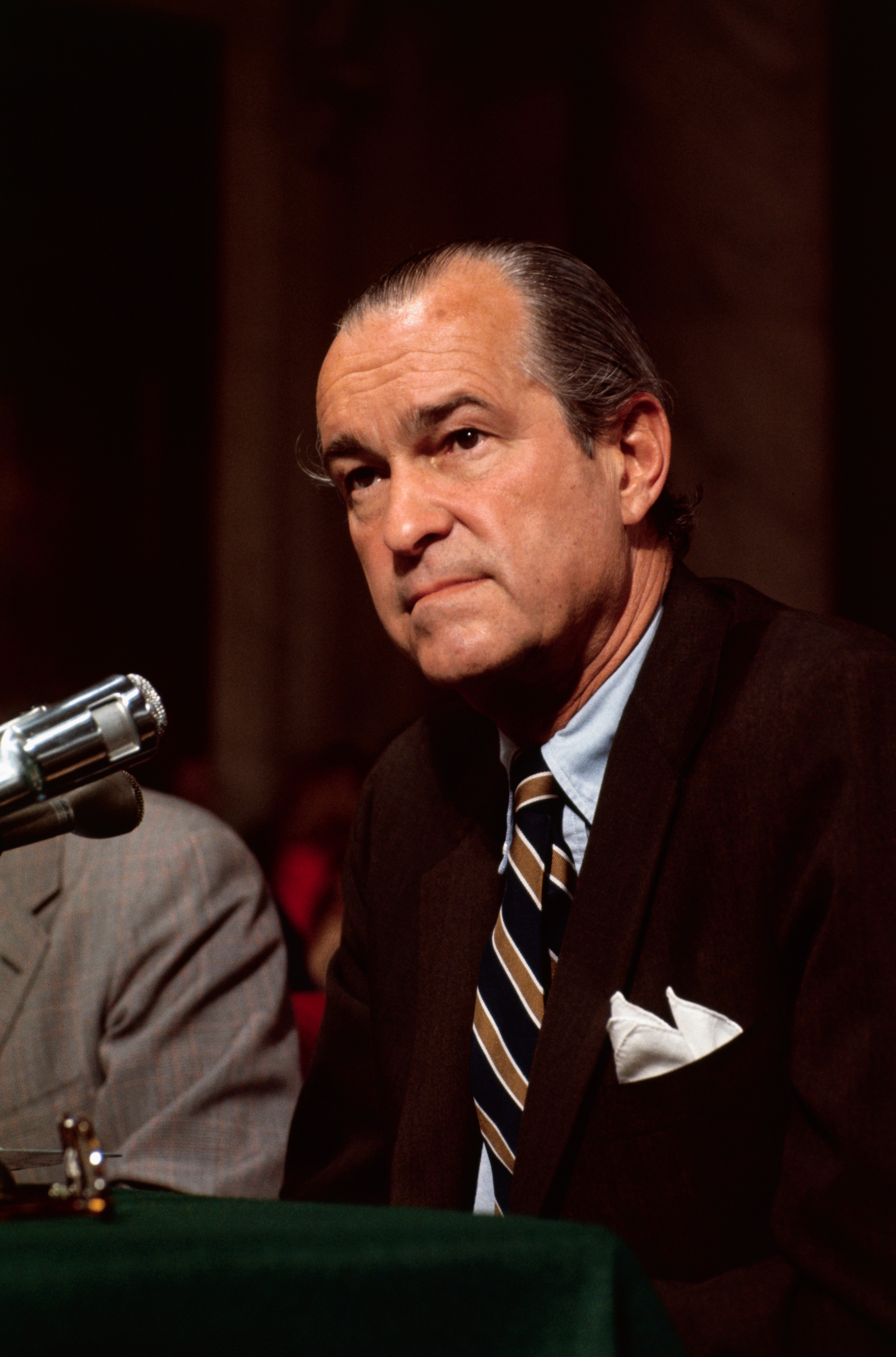
On September 11, 1973, the Chilean military carried out a coup. Fighter jets bombed the presidential palace, La Moneda, and President Salvador Allende died during the assault. In the aftermath, Henry Kissinger told President Nixon, "We didn't do it. I mean, we helped them. Created the conditions as best as possible."

Internal dissent within the administration existed. In a memorandum that circulated inside the State Department, Kissinger aide Viron Vaky warned that US policy toward Chile violated American principles, writing: "What we propose is patently a violation of our own principles. Is Allende a mortal threat to the US? It is hard to argue this."

The military junta that seized power installed General Augusto Pinochet, whose dictatorship lasted 17 years. According to Chile's official truth commissions, more than 3,000 people were killed or disappeared, and tens of thousands were tortured, while hundreds of thousands fled into exile.

Pinochet's regime also participated in Operation Condor, a coordinated intelligence and assassination network linking several South American dictatorships. Historians estimate that Condor operations were responsible for tens of thousands of political killings and disappearances across the region.

Declassified records later revealed that the CIA had brief contacts with Manuel Contreras, the head of Pinochet's secret police (DINA), and briefly placed him on its payroll as an intelligence source.

Internal US documents also show that Kissinger and other officials feared what they called the "insidious model effect" — the possibility that a successful democratic socialist government in Chile might inspire similar movements elsewhere. More than 24,000 declassified US documents relating to Chile have since been released. Historian Peter Kornbluh describes the record as "one of the best-documented cases of covert US intervention for regime change."

The Contras were accused of serious human rights abuses during the war. A 1985 investigative report presented to Congress described incidents involving “assassination, torture, rape, kidnapping and mutilation of civilians.”

"I told the American people I did not trade arms for hostages. My heart and my best intentions still tell me that's true, but the facts and the evidence tell me it is not." —President Ronald Reagan, March 1987

Though he publicly claimed to be "out of the loop," Vice President George H.W. Bush later wrote in his diary that he was "one of the few people that knew fully the details." When the scandal broke in November 1986, officials involved in the operation began destroying evidence. Oliver North and his secretary, Fawn Hall, shredded large numbers of documents related to the program — so many that the shredder jammed during the effort. North later testified before Congress during the televised Iran-Contra hearings, defending his actions.

Independent Counsel Lawrence Walsh was appointed in late 1986 to investigate. Over the next six years, 14 Iran-Contra defendants were indicted, and 11 entered guilty pleas or were convicted. North's conviction was later vacated on grounds related to Congress's immunity grants.

George H.W. Bush later became president in 1988 while Walsh's investigation was still underway. Walsh later wrote that the criminal investigation of Bush was "regrettably incomplete," as Bush's vice-presidential diary was not turned over until December 11, 1992, despite repeated requests, and Bush refused to sit for a full interview. Walsh ultimately declined to subpoena him, noting that the statute of limitations had expired on most relevant acts.

On Christmas Eve 1992, with 27 days left in office, Bush pardoned six Iran-Contra officials, including former Defense Secretary Caspar Weinberger. Weinberger's trial had been scheduled to begin on January 5, 1993, and was expected to focus on notes documenting Bush’s knowledge of the operation. Attorney General William Barr advised Bush on the pardons. Walsh responded: "The Iran-Contra cover-up has continued for more than six years. It has now been completed."

IAEA Director Mohamed ElBaradei told the UN Security Council that the documents were "not authentic" and that the allegations were unfounded.

Even at the time, parts of the case were disputed inside the US government. Analysts in the State Department's Bureau of Intelligence and Research raised doubts about key intelligence claims, while UN weapons inspectors reported they had found no evidence that Iraq had revived its nuclear program and asked for more time to continue inspections. Powell later called his UN presentation "a blot" on his record.

Some of the most dramatic claims rested on deeply flawed sources. The alleged “mobile biological weapons labs” were based heavily on reporting from a single Iraqi defector known as Curveball, despite warnings from German intelligence that he was unreliable. In 2011, Curveball publicly admitted he had fabricated the story.

Internal records later raised further questions about how the case for war was assembled. The July 2002 Downing Street Memo recorded MI6 chief Sir Richard Dearlove reporting after meetings in Washington that "the intelligence and facts were being fixed around the policy."

The war that followed had enormous human and financial costs. Iraq Body Count has documented more than 200,000 violent civilian deaths. A nationwide survey published in PLOS Medicine estimated roughly 461,000 excess deaths associated with the war through 2011. More than 2 million Iraqis were displaced. About 4,500 US service members were killed, and more than 32,000 were wounded in action. Brown University's Costs of War project estimates that the post-9/11 wars have cost the US about $8 trillion.

The destruction of Iraqi state institutions, de-Baathification, and the collapse into sectarian violence helped create the conditions in which ISIS later emerged.

In the months after the September 11 attacks, the United States quietly built a system of secret prisons and coercive interrogations that would come to define one of the most controversial chapters of the “war on terror.” Inside the White House Situation Room, senior officials debated how far the government could go. At one meeting, Attorney General John Ashcroft reportedly looked around the room and asked, "Why are we talking about this in the White House? History will not judge this kindly."

The legal architecture for the program emerged in a pair of Justice Department opinions written in 2002 by John Yoo and signed by Jay Bybee. The memos defined torture so narrowly that only pain equivalent to "organ failure or death" would qualify, a standard that effectively authorized a menu of harsh interrogation methods later known as "enhanced interrogation techniques." The opinions would later be withdrawn and widely condemned within the legal community as deeply flawed.

At CIA black sites around the world, interrogators subjected detainees to waterboarding, prolonged sleep deprivation, stress positions, confinement in small boxes, and other techniques adapted from military resistance training programs. Two psychologists, James Mitchell and Bruce Jessen — neither of whom had prior interrogation experience or expertise in al-Qaeda — helped design the methods and eventually oversaw much of the program's operation through a private contracting firm that received more than $80 million from the CIA.

For years, officials defended the program as necessary and effective, arguing that it had saved lives by producing critical intelligence. But the most comprehensive investigation of the program, released in 2014 by the Senate Intelligence Committee after reviewing more than six million pages of CIA records, reached a starkly different conclusion. "The CIA's use of its enhanced interrogation techniques was not an effective means of acquiring intelligence," the report stated.

Examining the agency's most frequently cited successes, investigators found that the information either predated the use of torture, came from other sources, or was fabricated under pressure. The committee also concluded that the CIA had provided inaccurate information to the White House, Congress, the Justice Department, and the public about the program’s effectiveness.

One of the most consequential examples involved Ibn al-Shaykh al-Libi, an al-Qaeda detainee who falsely claimed under coercive interrogation that Iraq had trained al-Qaeda operatives in chemical weapons. That claim later appeared in arguments used to help justify the 2003 invasion of Iraq. Meanwhile, as scrutiny of the interrogation program grew, the CIA destroyed 92 videotapes documenting early interrogation sessions, including the questioning of Abu Zubaydah.

Despite years of investigations and public controversy, no senior official was ever prosecuted for the program. Jay Bybee, who signed the original torture memo, continues to serve as a judge on the US Court of Appeals for the Ninth Circuit.

Dial 988 in the United States to reach the National Suicide Prevention Lifeline. The 988 Lifeline is available 24/7/365. Your conversations are free and confidential. Other international suicide helplines can be found at befrienders.org. The Trevor Project, which provides help and suicide-prevention resources for LGBTQ youth, is 1-866-488-7386.

If you or someone you know has experienced sexual assault, you can call the National Sexual Assault Hotline at 1-800-656-HOPE, which routes the caller to their nearest sexual assault service provider. You can also search for your local center here.

If you are concerned that a child is experiencing or may be in danger of abuse, you can call or text the National Child Abuse Hotline at 1-800-422-4453(4.A.CHILD); service can be provided in over 140 languages.

The National Alliance on Mental Illness helpline is 1-800-950-6264 (NAMI) and provides information and referral services; GoodTherapy.org is an association of mental health professionals from more than 25 countries who support efforts to reduce harm in therapy.