buzzfeed Press
My Family Hid The Truth About My Birth Until A Mysterious Envelope Revealed My Dark Past
Images
1 / 6
2 / 6

3 / 6
4 / 6
5 / 6
6 / 6
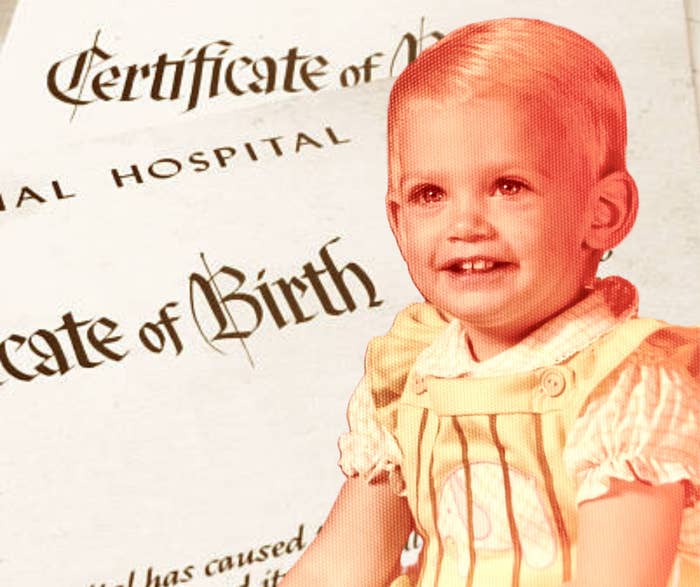
"In 1977, when I was born, my original birth certificate was locked away by the courts, and the truth of my birth was withheld from me..."

In 1977, when I was born, my original birth certificate was locked away by the courts, and the truth of my birth was withheld from me. What should have been the beginning of my story was treated as forbidden knowledge, leaving me to grow up in the shadow of an identity I was never allowed to claim.

From the 1940s to the 1970s, known as the “baby scoop era,” millions of young mothers were pressured, shamed and outright forced into surrendering their newborns. Fearing the disgrace of an “illegitimate” pregnancy, families sent their daughters to maternity homes, run largely by religious groups, where social workers and moral authorities insisted that closed adoption was the path to cleansing the shame of conceiving a child.

No one paused to consider the psychological cost or how those early ruptures would shape the lives of infants like me. Trauma takes root the very moment that first bond is severed, long before we have words to name the ache it leaves behind. I carry what’s known as pre‑verbal trauma, a wound that settled into my body and nervous system and shows up in my attachment patterns, in my pervasive fear that love will vanish, and in the stories I tell myself about my worth.

My adoptive parents were benevolent, compassionate people, providing me with a life full of love, support and opportunity. I have always felt I was fortunate, grateful even, for the “second chance” I’d been given. Yet, despite my stable upbringing, I experienced persistent disturbances of anxiety, depression, identity confusion and a chronic emptiness.

Being adopted planted an early fear of abandonment in me, an invisible vulnerability that influenced the way I navigated life. Always bracing for loss, I was convinced that people would eventually leave.

When my adoptive mother tragically died when I was a teenager, it was like a confirmation that even the people who loved me most could disappear without warning. Years later, in a long, emotionally abusive marriage, abandonment took on a different shape. It was not a sudden loss, but a slow, daily erosion of safety, affection and worth.

Substance abuse became the place where all my fear and uncertainty went. Moving through life without a steady sense of self and always expecting abandonment left me ungrounded, and alcohol offered a temporary version of steadiness. Instead of learning who I was, I learned how to disappear.

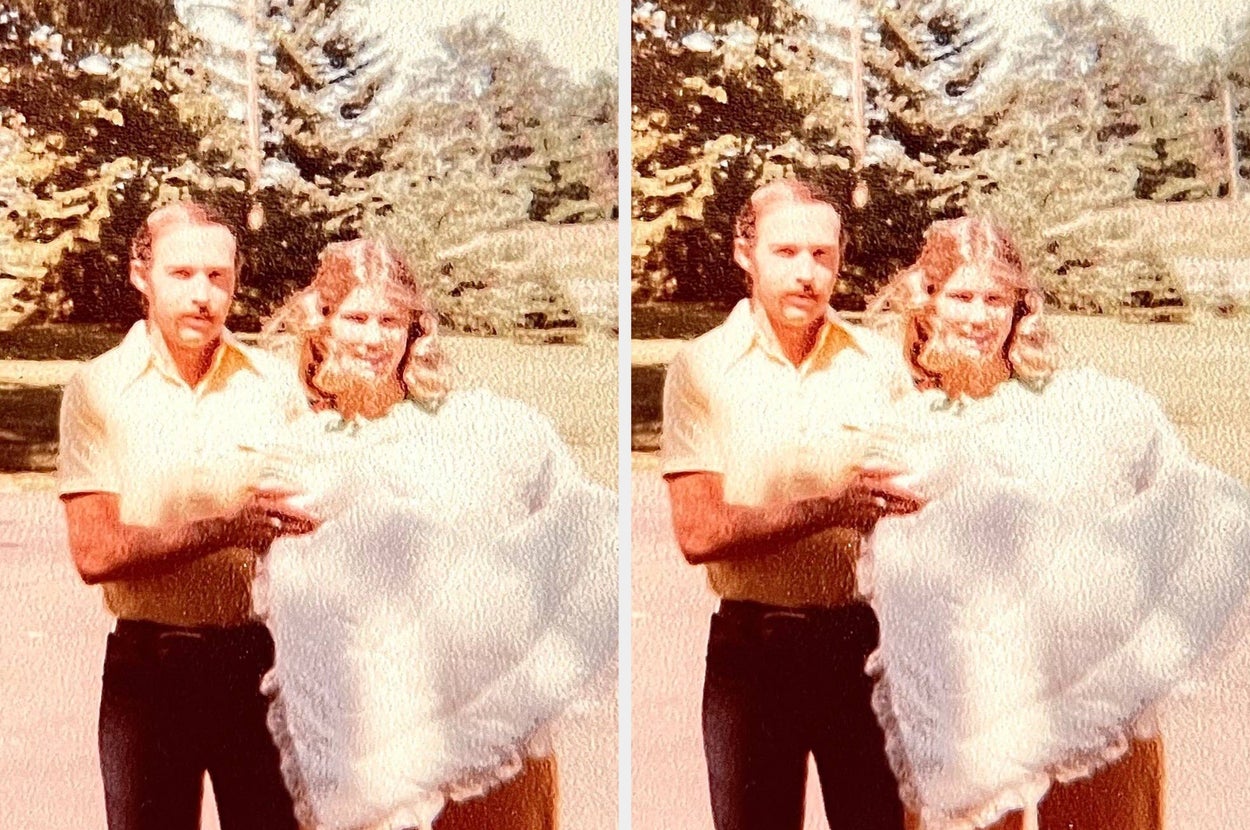
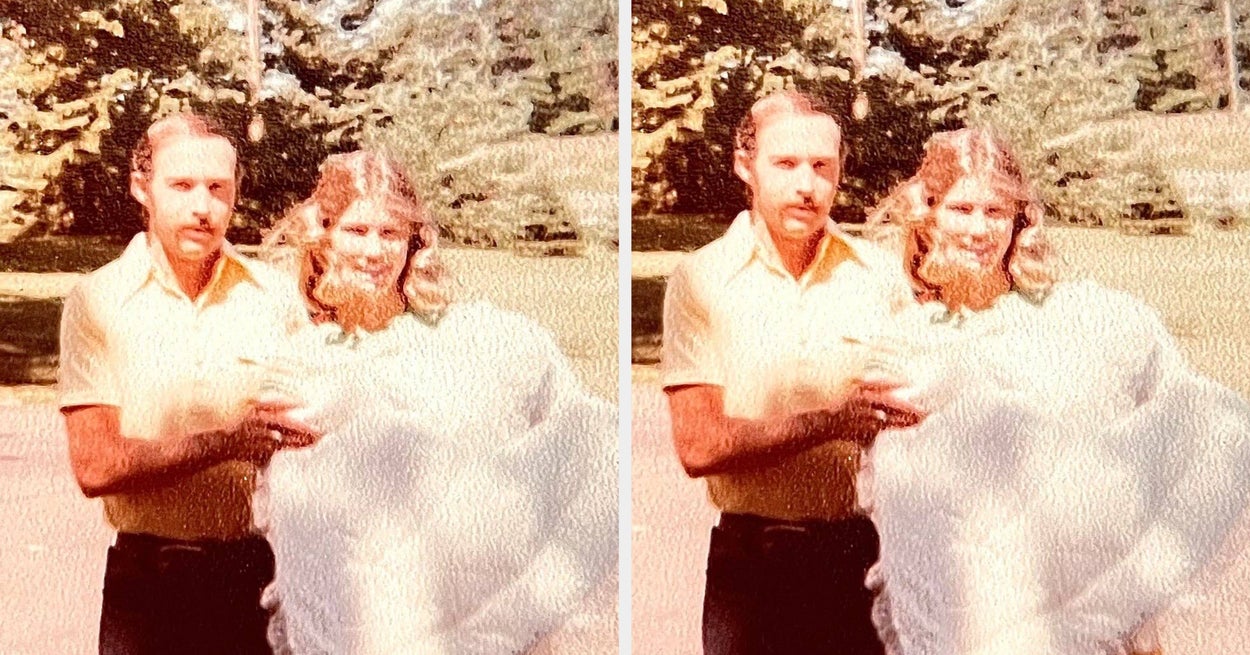
The day the author was introduced to her adoptive parents for the first time.

Three decades slipped by like that, each year reinforcing the belief that numbness was safer than feeling and that escape was easier than facing what I couldn’t yet understand.

Now, seven years divorced and six years into hard‑won sobriety, I’m finally recognizing the trauma I never realized I was carrying. When my dad died four years ago, grief came back in a way I didn’t expect. I started grieving both of my moms again, too: the one who gave me up and the one who gave me love. His death was hard on my family; my current husband struggled with how to best manage my grief, and it created a temporary fracture between us. It all landed in the same place for me ― as abandonment. Grieving alone. Falling apart alone. Sitting in that pain with no one who could hold it with me.

The long pattern of loss and betrayal that shaped my life, and the coping mechanisms I clung to for survival had hollowed me out until I was little more than a shell. Now, midlife has become the place where I’m trying to rebuild what should have been there from the beginning.

What I couldn’t have known without access to my family history was that I was predisposed to borderline personality disorder, a condition experts estimate to be about 40% heritable. Genetics alone don’t cause it, but they create a vulnerability that trauma can ignite and intensify.

In my case, the symptoms didn’t appear in a clean, recognizable pattern. Avoidant and paranoid personality disorders emerged too, each adding another layer of confusion. Collectively, they were tangled up with the fallout of trauma, fear, mistrust and emotional volatility, making it nearly impossible to see what was underneath.

When the late diagnoses finally came, they explained a lifetime of unease, fear and emotional chaos I’d been trying to outrun.

Last year, just as I began intensive therapy to mend all that was fractured inside me, the laws surrounding adoption in Minnesota, where I was born, changed, unsealing long‑hidden records of “illegitimate” births and granting adoptees the right to our own histories. Although I always had an amended birth certificate naming my adoptive parents as my legal parents, I was now able to request the original record.

All the information I’d ever had about my biological mother was a single typed sheet, likely written by my biological grandmother. It listed my mother’s basic details like her height, weight, eye color and temperament. I also had her senior photo, the only image I’d ever seen of her. The resemblance was remarkable. The paper explained that she gave me up out of “fear of a lifetime of regret,” though I’ve never known if that was truly her belief or a story someone else pressed onto her.

I cried when I opened the envelope that held my identity. Those sharing the moment with me couldn’t understand why a birth certificate mattered so much. Having always known their origins, they had no frame of reference to empathize.

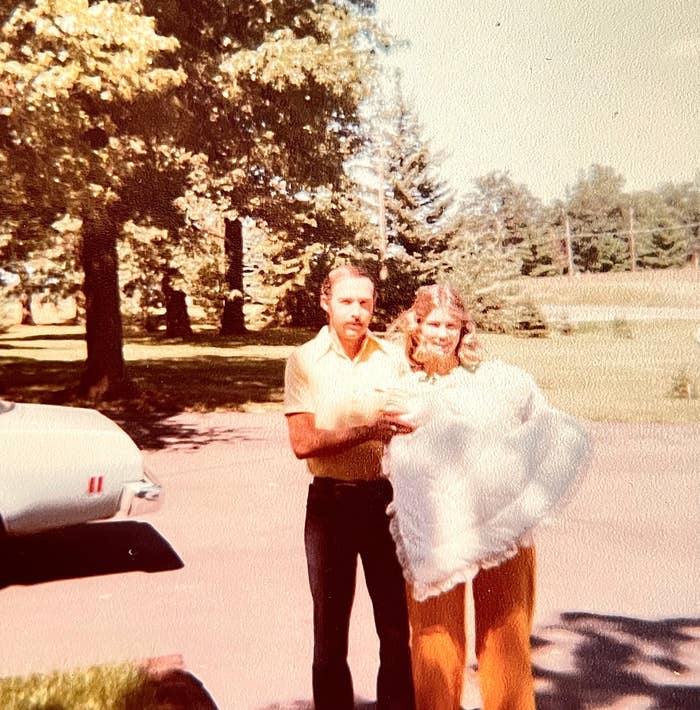
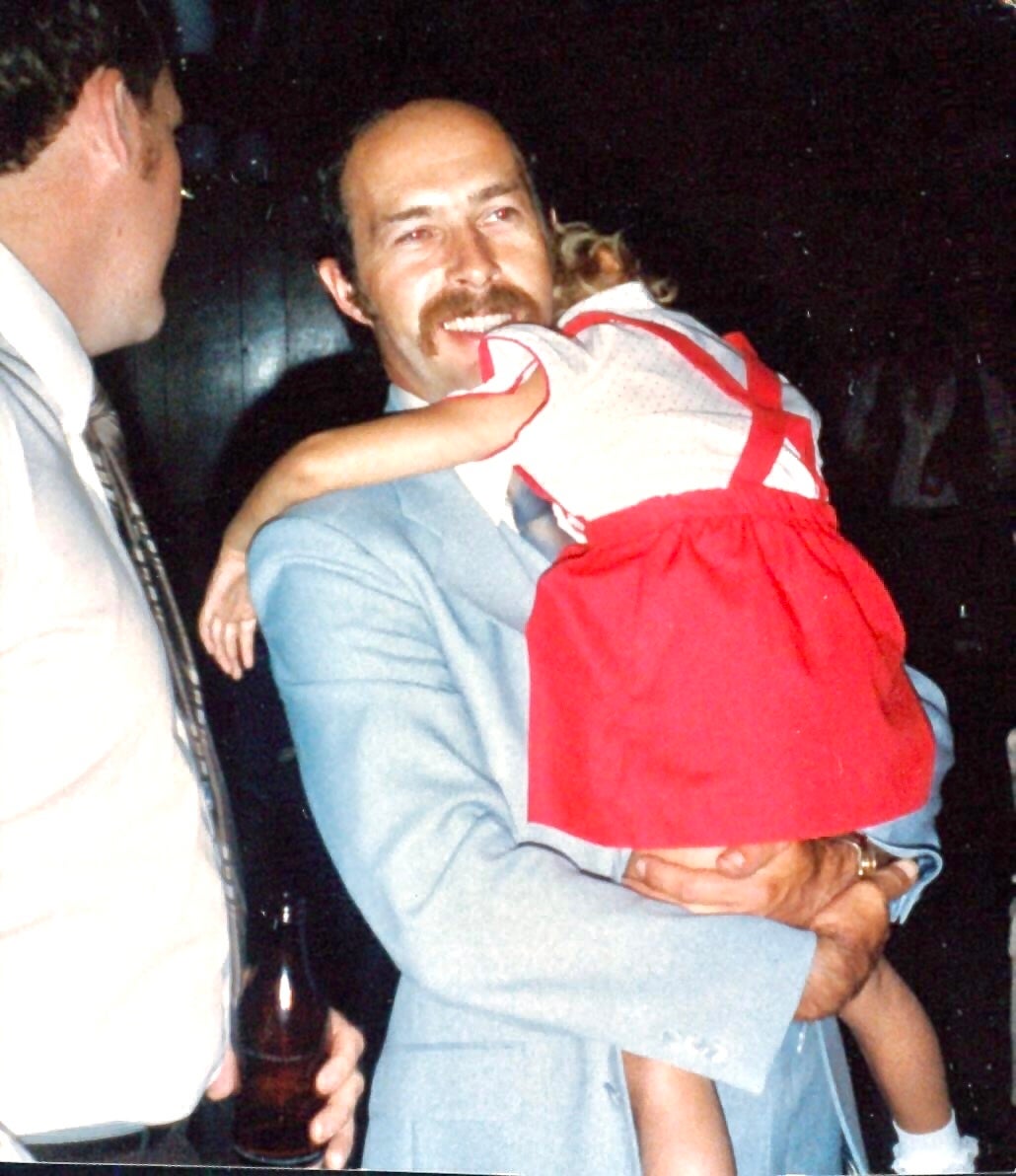
The author, in the comfort and safety of her adoptive father's arms.

Aside from my birthplace and my mother’s name and birthdate, it was an empty page. No name for me, not even the placeholder of “baby girl.” Just a blank line where I began. Seeing it stirred a familiar sadness, a reminder of how little acknowledgment there had been of my arrival in the world.

My father’s line was empty too, the box for “illegitimate” marked yes. And yet, for the first time, knowing her name, she suddenly felt real to me.

Through research, I uncovered only more fragments about her, but they revealed a woman who lived a private and unorthodox life. She made ends meet with whatever jobs she could find, but her real passion was energy work and healing others. She was an empath who trusted in the universe, angel numbers and the healing power of crystals. She was a non-conformist who never fit into society’s standards, and as far as I can tell, never wanted to.

People with borderline personality disorder also live with an unstable sense of self and a chronic search for meaning, which can make unorthodox or spiritually expansive belief systems feel grounding or validating. Their heightened sensitivity and tendency to question conventional narratives can draw them toward mystic spiritualism or energy‑based frameworks that seem to offer coherence where traditional structures have failed them. Non‑conformity and frustration with societal norms can also emerge from years of feeling misunderstood, invalidated or constrained by expectations that never fit their internal experience.

The similarities were astonishing, leaving me feeling almost more complete. Not only was this why I am the way I am, but who I’ve always been.

She had married and divorced, afterward reinventing herself and living under an alias for the rest of her life until her death in 2020. The only trace of her passing was a state record. No obituary, no memorial, no celebration of life. Nothing to mark that she had ever been here.

Her end seemed like my beginning. It leaves me sitting with hard questions about what pain she carried, and how her mental burdens might be similar to what I’m navigating now. I wonder whether she lived with the same emotional intensity and whether the genetic threads that precipitated my borderline personality disorder were woven through her life as well. Back then, mental health wasn’t met with care but with stigma, so whatever pain she carried would have been dismissed and silenced, just like my birth.

Since I can no longer ask her, this is all speculation on my part. But given the genetic predisposition tied to BPD, intensified by adversity and trauma, I personally believe that we shared the disorder.

My life can’t be separated from the era that tried to erase its beginning. Living with a fractured sense of self and a mental disorder could potentially have been treated much earlier if my history had been known.

Finding my mother, though, however late and however incomplete, returned something to me that had been missing since the moment of my birth. In learning who she was, I found a reflection of myself that no amended record could ever offer. I can finally stand in the truth of who I am.

Now, as I slowly rebuild myself, I can recognize the quiet part of her that has been with me all along.

Today, my current husband and I remain sober and strong together, supporting each other through everything. He has said that if he had to endure what I have, he wouldn’t have survived the pain. He gave me validation in those words and has helped me see that abandonment is not inevitable ― some people choose to remain.

I have two children, both adults now, and the only people in my life who share my genetics. They are precious to me in a way that rises even beyond the unconditional love of a parent. Through my blended family, with five children altogether, I have learned that I am a part of something bigger than myself.

Need help with substance use disorder or mental health issues? In the U.S., call 800-662-HELP (4357) for the SAMHSA National Helpline.

This article originally appeared on HuffPost in February 2026.