yahoo Press
Locksley produces 99.5% purity antimony trioxide as it targets US critical minerals supply chain
Images
1 / 5
2 / 5

3 / 5

4 / 5
5 / 5
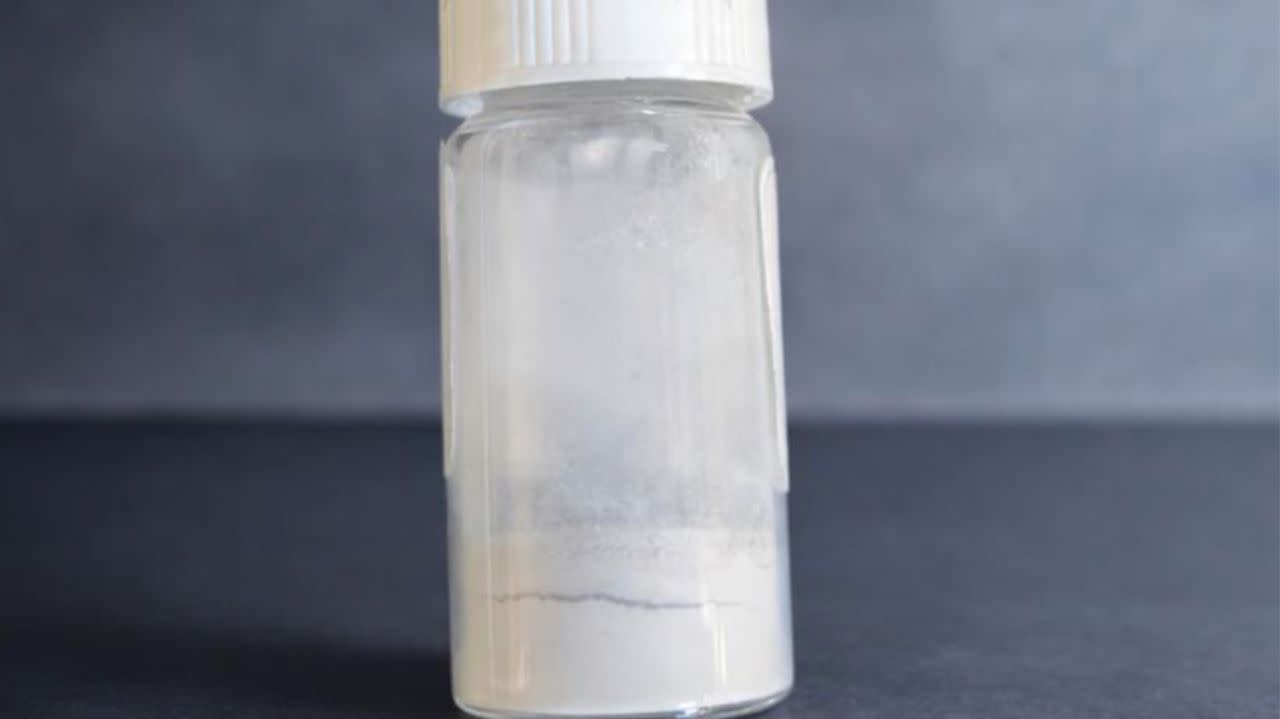
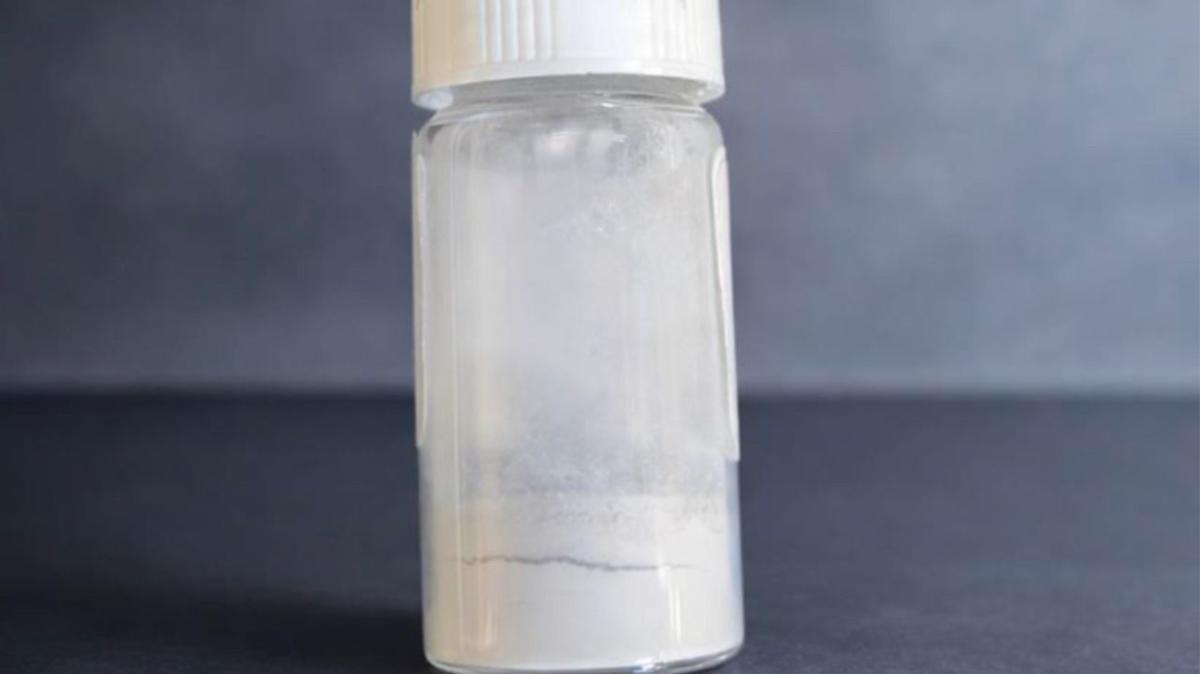
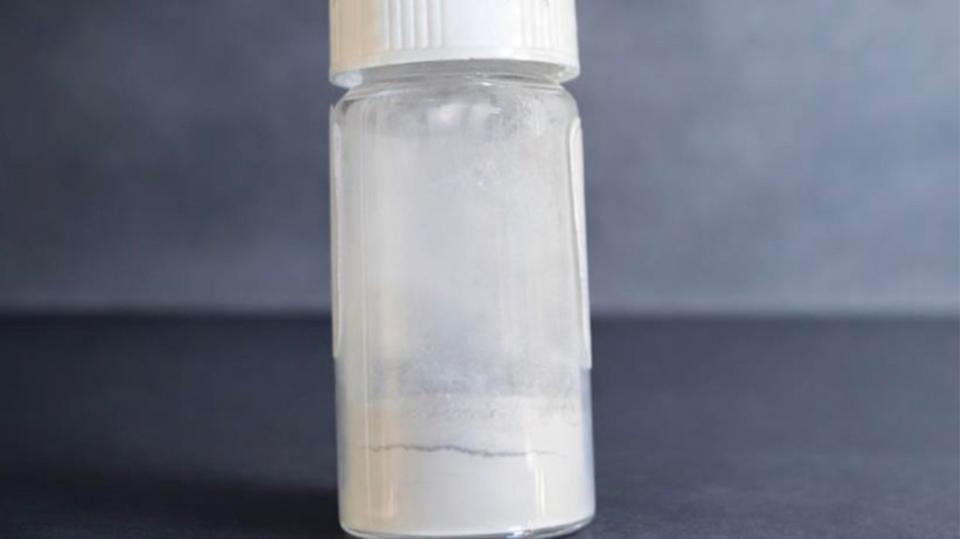
Locksley Resources Ltd (ASX:LKY, OTCQB:LKYRF)has produced antimony trioxide at 99.5% purity from feedstock sourced from its Desert Antimony Mine at the Mojave Project in California, a milestone the company says supports its ambition to help establish a domestic US antimony supply chain.

The bench-scale result represents an important step in demonstrating that ore from the Mojave Project can be processed into a high-purity refined product suitable for industrial and strategic markets. With the United States currently reliant on imported antimony and facing limited domestic refining capability, Locksley is positioning the project as a potential contributor to secure supply of the critical mineral.

Antimony trioxide is widely used in flame retardants, electronics and defence-related applications, and the ability to produce a refined product domestically is increasingly viewed as strategically important as Western governments look to reduce reliance on foreign processing capacity.

The 99.5% purity result was achieved through the company’s metallurgical optimisation program, which is focused on upgrading antimony concentrate into higher-value refined products. The material was analysed using X-ray diffraction techniques to confirm the purity level of the trioxide product.

The outcome demonstrates that feedstock from the Desert Antimony Mine can be upgraded through refining processes to reach a quality threshold suitable for specialised industrial markets. Achieving this level of purity is regarded as a key technical benchmark for the production of antimony trioxide used in defence systems, electronics and high-performance flame retardant materials.

The metallurgical work has involved testing a range of temperature regimes and refining pathways, including oxidative and reductive processes designed to maximise purity while maintaining efficient processing conditions. The company has also been evaluating impurity removal and purification strategies as part of the optimisation work.

Managing director Kerrie Matthews said the result shows the potential for Mojave-sourced feedstock to be converted into a high-value downstream product, reinforcing the project’s potential role in strengthening the US critical minerals supply chain.

“This achievement marks an important milestone for Locksley. Demonstrating that feedstock from the Desert Antimony Mine can be upgraded to 99.5% purity antimony trioxide validates the potential to produce high-value, refined, 100% American-made antimony products from our Mojave Project.

"At a time when Western governments are prioritising the development of secure domestic supply chains for critical minerals, Locksley is advancing a strategy that integrates mining, processing and downstream refining. This result reinforces the potential for the Mojave Project to play an important role in supporting future U.S. government and industrial demand for antimony."

Locksley’s metallurgical program is running alongside development of its DeepSolv solvometallurgical technology, giving the company two potential pathways for processing antimony concentrates.

The dual-track approach is intended to reduce technical risk while providing flexibility as the company evaluates options for commercial-scale refining. A key constraint in the US antimony market is the lack of domestic refining infrastructure rather than the availability of ore, and Locksley believes an integrated mine-to-market strategy could help address that gap.

The United States is estimated to consume between 25,000 and 30,000 tonnes of antimony annually, with much of the supply imported. Establishing domestic processing capability has become a priority for policymakers as antimony gains attention as a critical mineral used in defence, energy and industrial applications.

Next steps in Locksley’s metallurgical program will include inductively coupled plasma testing to further verify impurity levels, larger batch-scale trials to confirm repeatability and process stability, and assessment of pilot-scale refining options. The company is also evaluating potential toll processing pathways and plans to engage with strategic partners, metals traders and government stakeholders as it works toward product qualification and potential commercialisation.