yahoo Press
Did B-2s Just Drop GBU-57 Massive Ordnance Penetrators On Another Iranian Nuclear Site?
Images

1 / 15
2 / 15

3 / 15

4 / 15

5 / 15
6 / 15
7 / 15
8 / 15
9 / 15
10 / 15
11 / 15
12 / 15

13 / 15

14 / 15

15 / 15
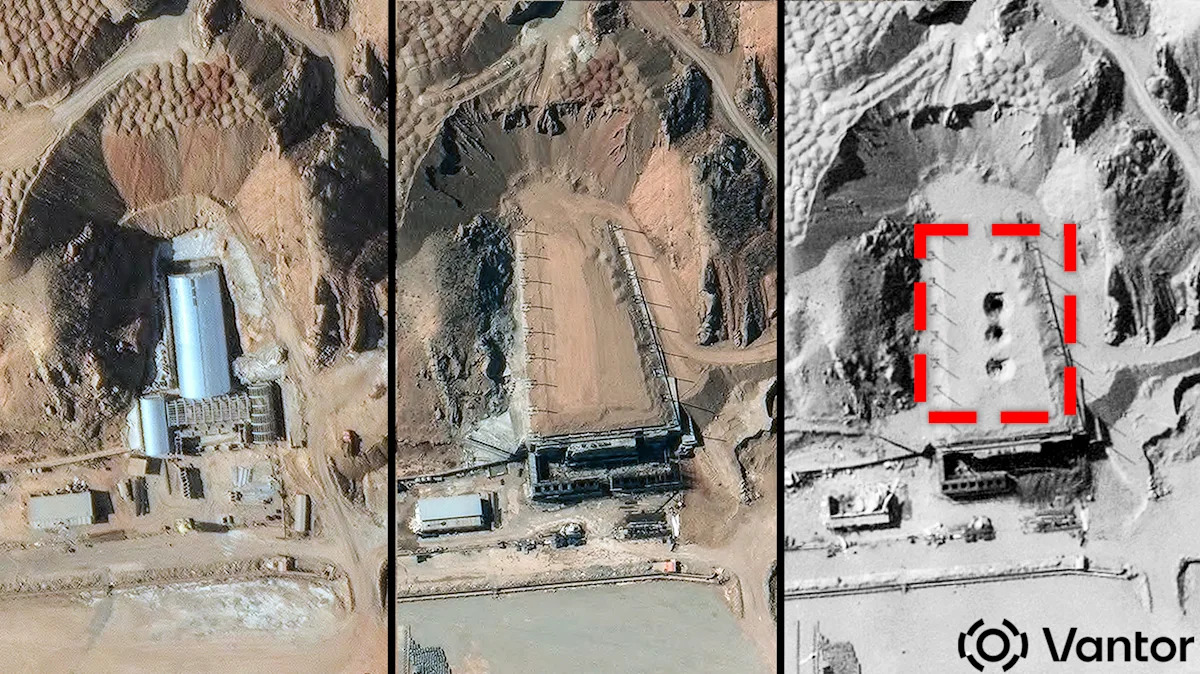
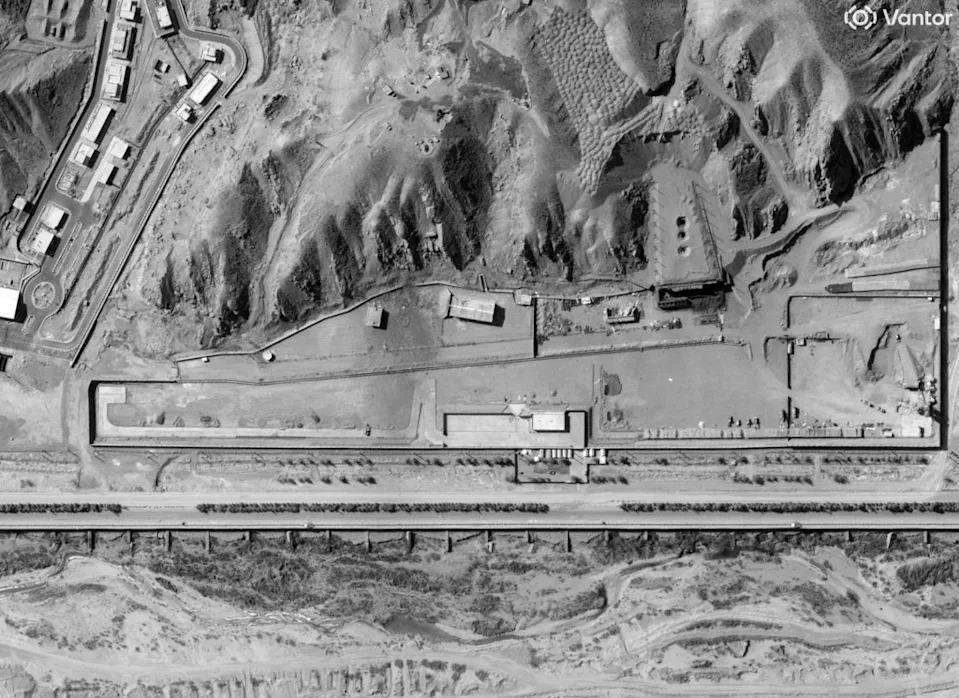
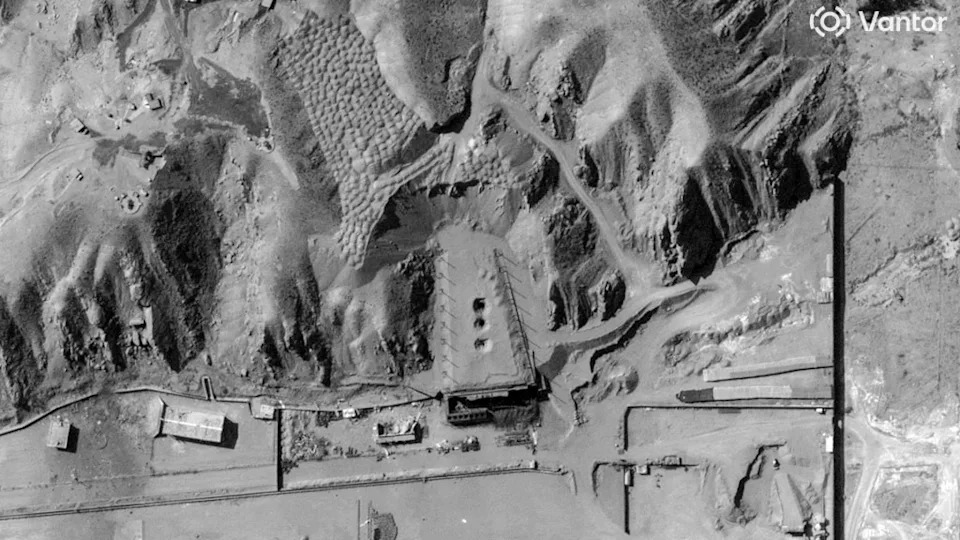
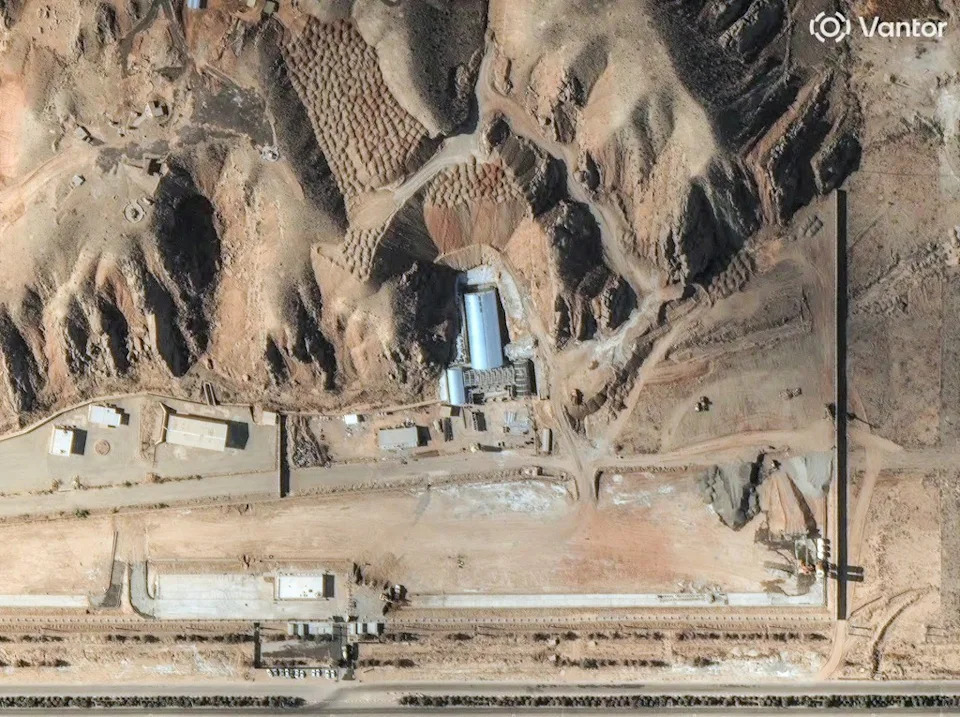
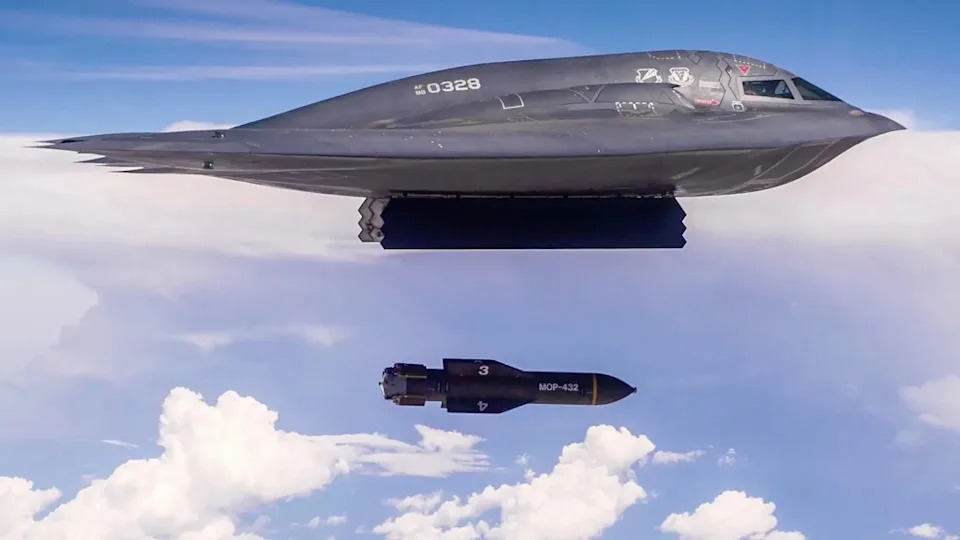
Satellite imagery from Vantor shows that a site long linked to Iran’s nuclear program has been struck. A trio of very large impact points also raises the possibility that the hardened facility was hit by 30,000-pound GBU-57/B Massive Ordnance Penetrator (MOP) bunker buster bombs. MOPs were first used operationally in U.S. strikes on Iranian nuclear facilities last year, dubbed Operation Midnight Hammer. The Taleghan 2 site was newly encased in a concrete shell and then covered with soil in the months leading up to the current conflict, which may have created a need to use munitions more capable of burrowing down into it to have a better chance of ensuring its destruction.

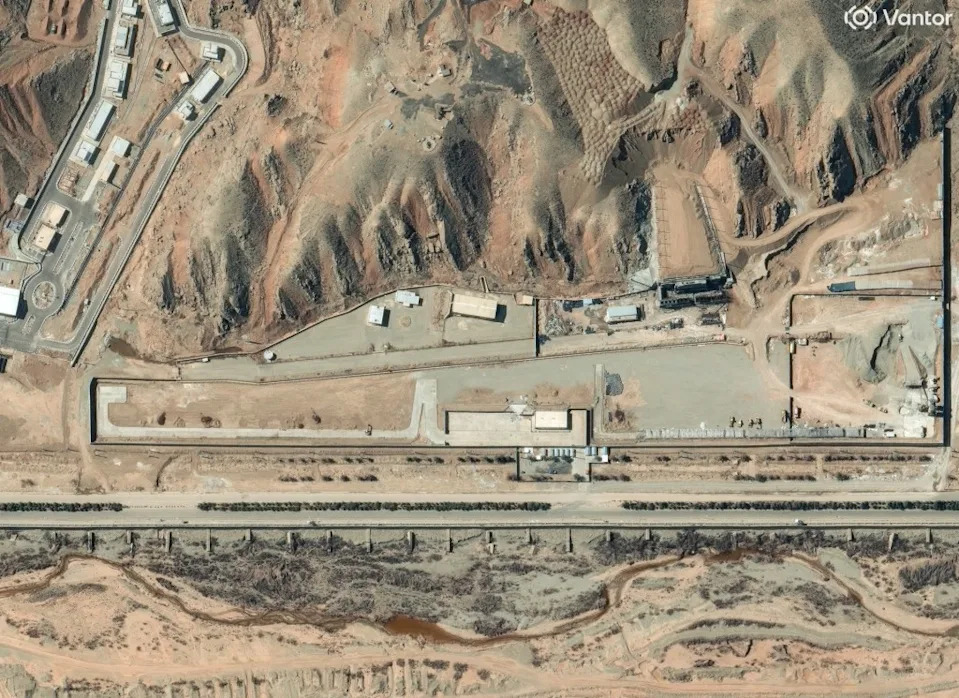
Vantor’s post-strike images of Taleghan 2, seen at the top of this story and below, were taken earlier today. As noted, three very large and precise impact points are visible on top of the facility.

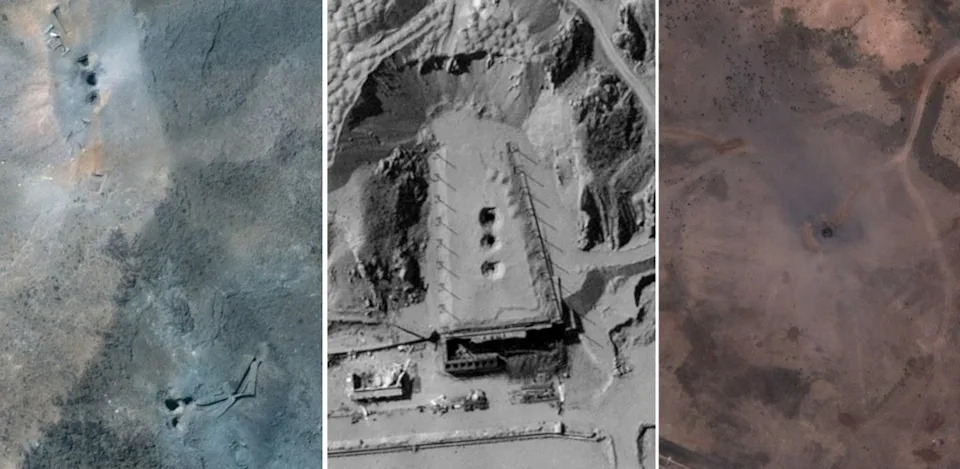
Vantor also shared previous images of Taleghan 2 taken on March 6, 2026, and November 14, 2025. Other parts of Parchin were notably struck on March 6, but Taleghan 2 was left untouched at that time.

High resolution imagery provided to the Institute by image @VantorTech shows significant damage to the solid rocket propellant motor production facilities at Parchin.  These production plants have been destroyed multiple times, first during Israeli airstrikes in October 2024, and… pic.twitter.com/FfNk6SczGh

— Inst for Science (@TheGoodISIS) March 6, 2026

Taleghan 2 had already been covered in a new layer of concrete by mid-January of this year. Soil had also been added on top weeks before joint U.S.-Israeli operations began on February 28. Iran was also observed taking steps to further harden and/or seal up a host of other key facilities across the country in the lead-up to the current conflict, but not to this degree. TWZ highlighted similar activity at Iranian nuclear sites ahead of the Operation Midnight Hammer strikes last year.

Over the last two to three weeks, Iran has been busy burying the new Taleghan 2 facility at the Parchin military complex with soil. Once the concrete sarcophagus around the facility was hardened, Iran did not hesitate to move soil over large parts of the new facility.  More soil… pic.twitter.com/LWSrCnDdfy

— Inst for Science (@TheGoodISIS) February 17, 2026

We do not know what munitions were used to strike Taleghan 2, but the impact points are at least broadly consistent with what was seen at Iran’s Fordow and Natanz nuclear sites after Operation Midnight Hammer. During that operation, B-2 bombers dropped 12 GBU-57/Bs on Fordow and another two MOPs on Natanz.

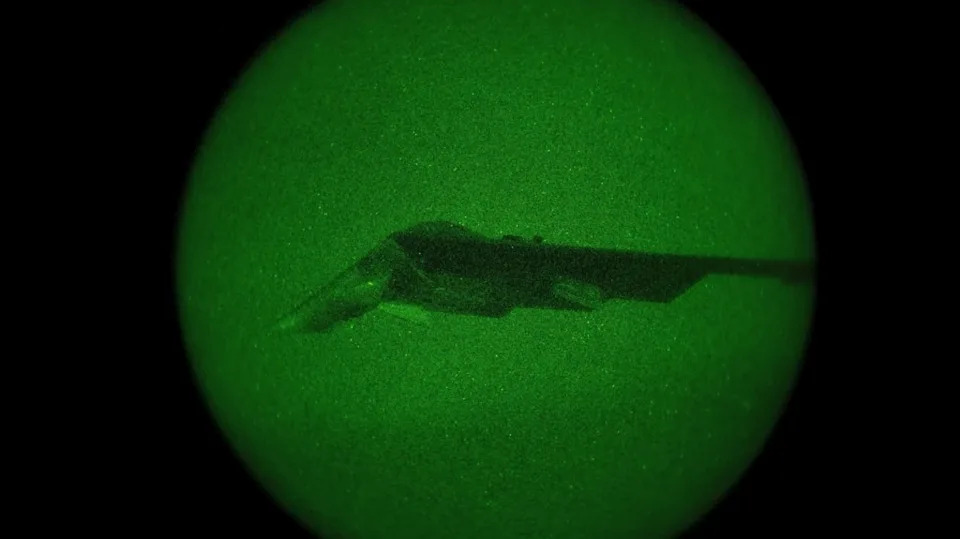
When reached by TWZ, U.S. Central Command (CENTCOM) declined to comment on whether GBU-57/Bs had been dropped on Taleghan 2 or any other site in Iran in the course of the current campaign. The only aircraft currently certified to carry MOPs operationally is the B-2 bomber, with each one being able to carry two of the massive bombs at a time. B-2s have been striking Iran since the first night of the conflict.

From what can be seen via satellite imagery, Taleghan 2 does appear to be as deeply buried as either Fordow or the underground facility at Natanz. At the same time, it was very thoroughly and deliberately hardened against attack just in the past few months, which could have driven a decision to target it with GBU-57/Bs. That work was also done relatively quickly with a clear eye toward shielding the site from strikes.

Other aspects of the target may have factored in, as well. In the strikes on Fordow last year, B-2s dropped six MOPs each down two air shafts to achieve the desired penetration. Those air vents offered a weak channel through which the bombs could penetrate far deeper to get to the targeted chamber deep within the mountain. Though it may be shallower, there do not appear to be any similar inlets readily visible at Taleghan 2. Using 30,000-pound bombs would also have helped guarantee more total destruction of this high-priority facility. The determination that MOPs were required might also explain why it was not struck previously.

The video below is a montage of imagery from past GBU-57/B tests that the U.S. military released last year after Operation Midnight Hammer.

It is possible that other munitions may have been used to strike Taleghan 2. Smaller bunker busters could be dropped in succession on the same aim point in order to create openings and then create significant effects inside. CENTCOM has previously confirmed B-2 strikes on deeply buried targets in Iran using salvos of 2,000-pound-class bunker buster bombs.

Last night, U.S. B-2 stealth bombers, armed with 2,000 lb. bombs, struck Iran’s hardened ballistic missile facilities. No nation should ever doubt America's resolve. pic.twitter.com/6JpG73lHYW

— U.S. Central Command (@CENTCOM) March 1, 2026

Striking Taleghan 2 otherwise fits with the U.S. military’s stated core objective of neutralizing Iran’s nuclear program. The site is tied to long-standing allegations of nuclear weapons-related work at Parchin, which Iranian officials have consistently denied. Taleghan 2 is specifically believed to have been a production facility for specialized conventional explosives required for nuclear weapons.

The Israelis previously struck Taleghan 2 in 2024 and then targeted Parchin again during the 12 Day War last year. In both cases, Iran subsequently rebuilt key facilities at the complex.

Whether the latest strike on Taleghan 2, whatever munitions may have been used, has taken it out for good remains to be seen.

Contact the author: joe@twz.com