huffpost Press
'Definition Of Woke': Britain Loses It Over Churchill, Beavers And Banknotes
Images
1 / 8

2 / 8
3 / 8
4 / 8
5 / 8
6 / 8

7 / 8

8 / 8
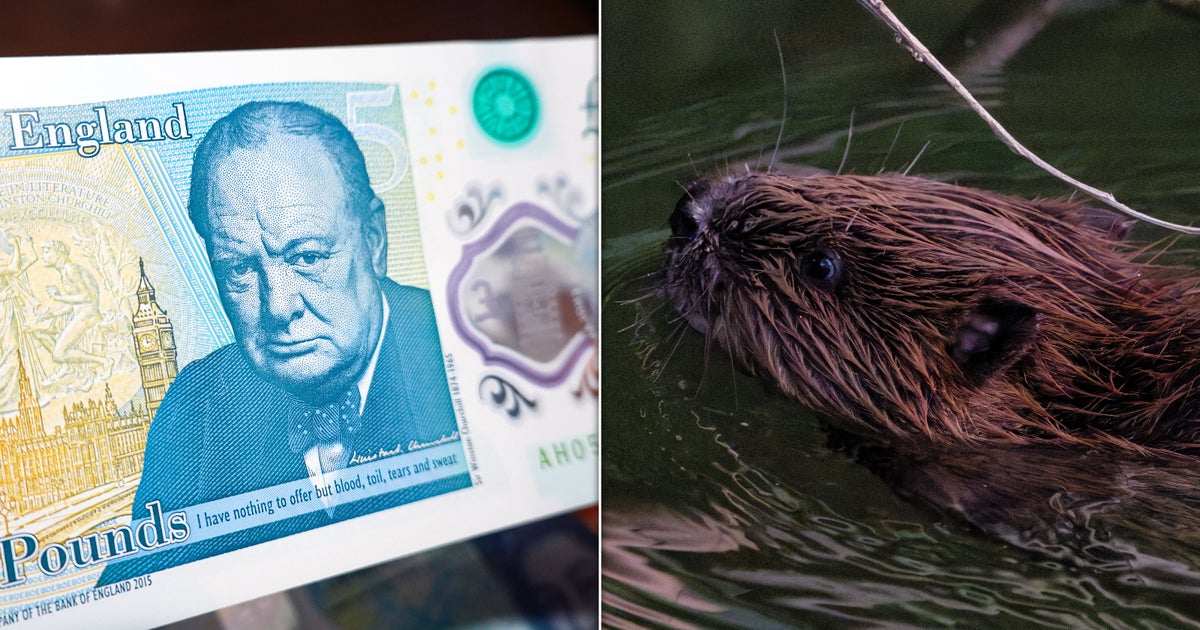
The U.K. is mired in a bizarre culture war after its central bank announced it was shifting away from featuring historical figures such as Winston Churchill on banknotes — a move inevitably condemned as “the definition of woke.”

But the controversy warrants unpacking.

On Wednesday, the Bank of England announced images of wild animals and nature would replace portraits of iconic people on the face of four bills.

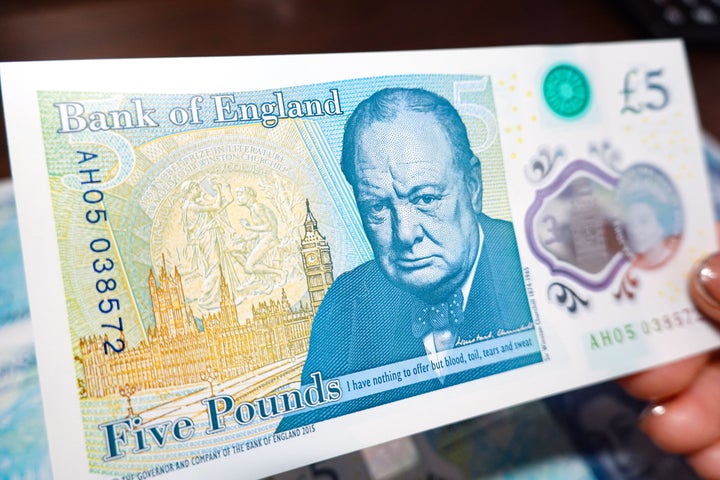
Churchill, the World War II leader often seen as the greatest Briton, currently features on the £5 note, with author Jane Austen, painter J.M.W. Turner and scientist Alan Turing on the others. William Shakespeare was the first historical figure to appear in 1970.

The banknotes have featured monarchs since Queen Elizabeth II first starred on the currency in 1960, and King Charles’ portrait will continue to appear on the next series of notes.

Changing pace, the Bank of England said the nation’s currency would get a new look in the coming years following a public consultation.

“Nature is a great choice from a banknote authentication perspective and means we can showcase the UK’s rich and varied wildlife on the next series of banknotes,” Victoria Cleland, the Bank’s chief cashier, said in a statement.

It didn’t take long for outrage — manufactured or otherwise — to show itself, and the politician leading the culture war charge was exactly who you would expect.

“The Bank of England is replacing Winston Churchill with a picture of a beaver on our bank notes,” wrote Nigel Farage, the Brexit cheerleader who has close ties with President Donald Trump and now leads the insurgent hard-right party, Reform UK.

“This is the definition of woke,” the member of Parliament continued.

But even the leader of the centrist Liberal Democrats, Ed Davey, was keen to get in on the angst (“A Grim Orgy Of Virtue-Signalling,” screamed one Daily Mail headline.)

“Winston Churchill helped defeat fascism in Europe,” Davey wrote. “He deserves better than being replaced by a badger.”

The Bank of England is replacing Winston Churchill with a picture of a beaver on our bank notes. This is the definition of woke. pic.twitter.com/3oMXZpXV11

The superficial headline is compelling. But the outrage conveniently overlooks the fact that Churchill has only been emblazoned across the “fiver” since 2016, and the decision to adopt “Winnie” on the banknote then was not without controversy.

By contrast, a portrait of a similarly titanic figure in U.S. history, President George Washington, has featured on the face of the $1 bill since 1869 — much, much longer than Churchill’s tenure.

And the arguments against offing Churchill neglect the findings of the Bank’s public survey, which revealed “notable historical figures” only to be the third most popular theme.

Animals native to the U.K. on the currency will be harder for counterfeiters to replicate than some of the most famous people in history, the Bank also argues.

Luke Charters, an MP for the governing Labour Party, who formerly worked at the Bank, claimed the Farage attack is part of Reform UK’s attempts to undermine the Bank’s independence.

“I back the Bank to keep our currency secure, not to be dragged into political point-scoring,” he added.

The row is likely to continue — especially if an enterprising reporter asks Trump about the matter.

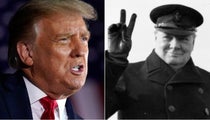
Britain is not currently in the president’s good graces. After U.K. Prime Minister Keir Starmer refused to permit the use of the joint U.S.-U.K. Diego Garcia military base in the Indian Ocean for the initial U.S. and Israeli strikes on Iran, the president offered a stinging rebuke: “This is not Winston Churchill we are dealing with.”

Trump made the comments last week in the Oval Office, where he keeps a bust of Churchill that he reinstated last year after it was removed by former President Joe Biden.

By entering your email and clicking Sign Up, you're agreeing to let us send you customized marketing messages about us and our advertising partners. You are also agreeing to our Terms of Service and Privacy Policy.