yahoo Press
Oil is trading like a meme stock — here's why it isn't one
Images

1 / 6
2 / 6

3 / 6

4 / 6

5 / 6
6 / 6
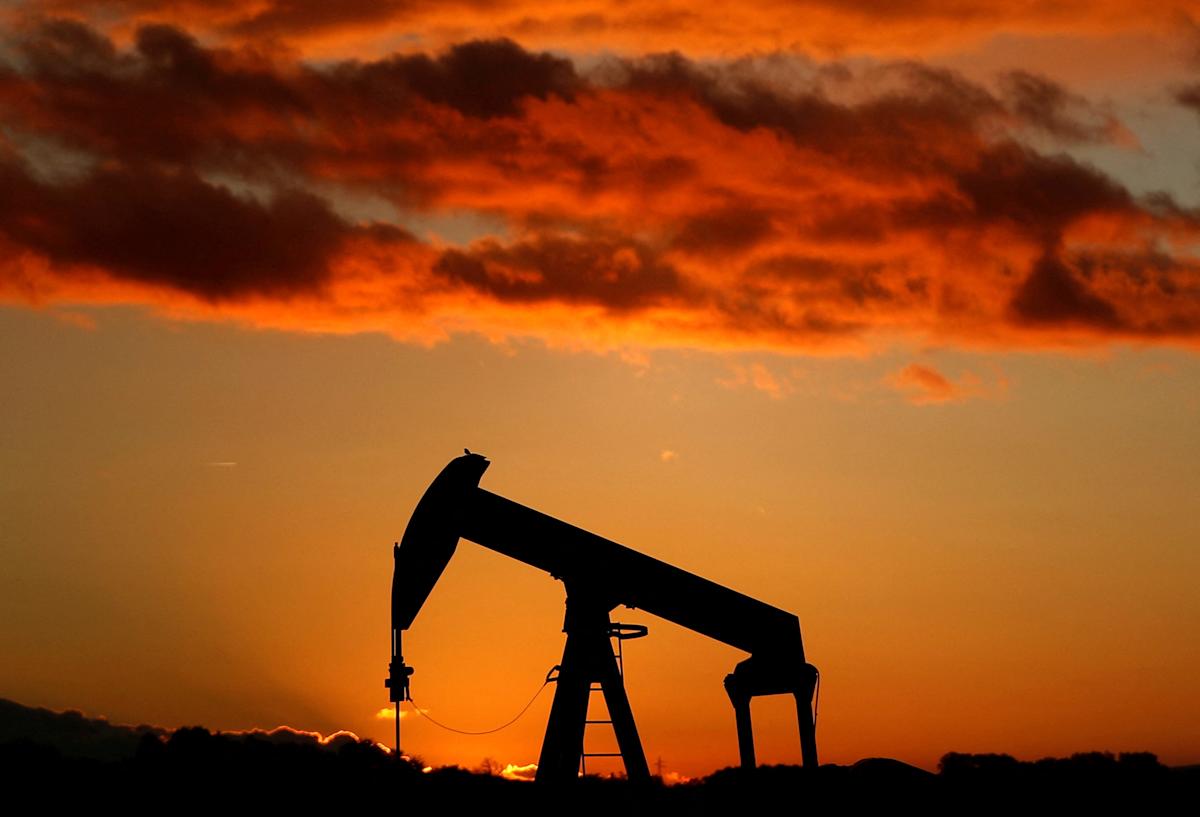
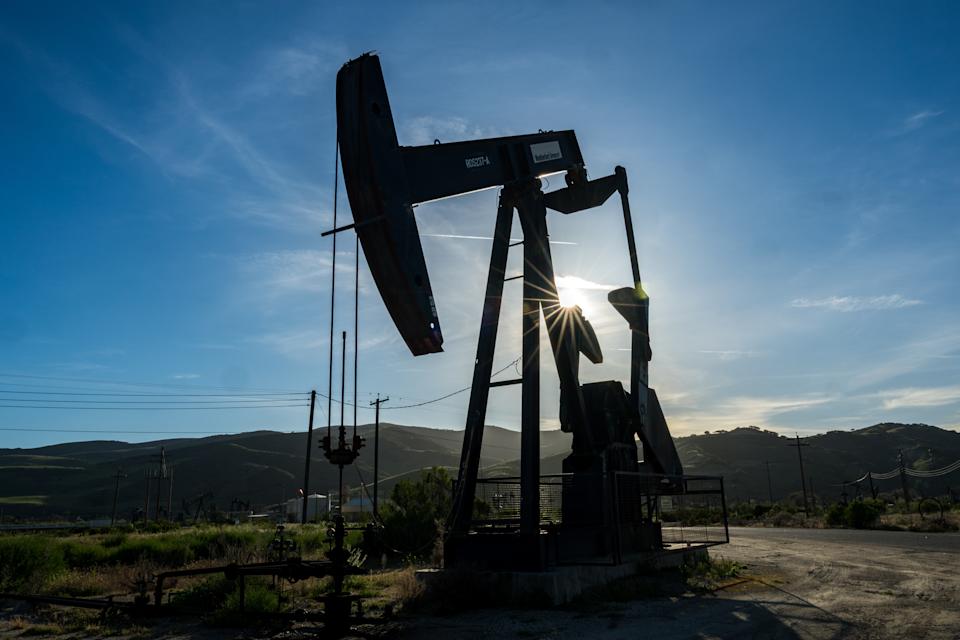
Crude oil (CL=F) just pulled a move straight out of the meme-stock playbook.

Prices ripped nearly 80% in six days, briefly touching around $120 a barrel before tumbling back toward the mid-$70s as traders swung from panic to relief over the latest Middle East headlines.

For anyone whose market instincts were forged in the meme-stock era of 2021, the move might look familiar. But oil is a very different beast — and treating it like the next momentum chase can be a costly mistake.

That's because oil (BZ=F) is a cyclical commodity market, not a stock that trades on vibes.

Even when speculation ramps up, crude ultimately responds to real forces — supply, demand, inventories, shipping routes, geopolitics, and refining capacity. When prices spike, producers can pump more oil, consumers can cut demand, and inventories can build.

In other words, the market has ways of correcting itself.

That's very different from a meme stock, where hype and flows can feed on themselves for long stretches and prices can detach from fundamentals.

History shows these differences clearly.

A long-term chart of crude oil reveals dramatic spikes, but the bigger pattern is cyclical. Prices surged into 2008 before collapsing during the financial crisis. They surged again in 2022 after Russia's invasion of Ukraine.

The latest war-driven move, while sharp, is still much smaller than those earlier surges. The rally could very well resume to test the $150 highs of 2008 and beyond. But over long stretches, oil tends to move sideways and cycle rather than trend endlessly higher.

Read more: How oil price shocks ripple through your wallet, from gas to groceries

Legendary macro trader Paul Tudor Jones built a career exploiting exactly those kinds of moves. Jones became famous for riding momentum and large macro trends across futures markets, including commodities. But traders like him don't treat oil as a long-term investment — they ride trends when they appear and move on when they fade.

That mindset reflects another reality of oil markets: Geopolitical spikes often fade faster than people expect.

When a conflict threatens supply, traders tend to react immediately. Prices jump first as markets price in the possibility of disruptions. Then, as the situation becomes clearer, traders begin reassessing how much oil supply is actually at risk. Sometimes the damage is smaller than feared — and prices retrace just as quickly.

For investors seeking exposure to oil, there's another important wrinkle.

Many retail traders buy ETFs like the United States Oil Fund (USO), which is designed to track crude prices. But investors in USO aren't buying physical barrels of oil — they're buying an ETF that holds oil futures contracts.

Those contracts expire, which means the fund must regularly sell the expiring contracts and buy new ones — a process known as "rolling" futures.

The structure of the futures market can make that process either help or hurt returns. In a market known as contango, contracts farther out in the future trade above the current spot price, which can drag on performance when funds roll their positions.

In the opposite structure — known as backwardation — the roll can actually help returns, which has been the case post-pandemic.

That's the biggest reason ETFs and crude futures usually don't move perfectly together.

Before jumping into oil, it's worth understanding both the market's mechanics and the vehicle you're trading.

Jared Blikre is the global markets and data editor for Yahoo Finance. Follow him on X at @SPYJared or email him at jaredblikre@yahooinc.com.

Click here for in-depth analysis of the latest stock market news and events moving stock prices

Read the latest financial and business news from Yahoo Finance