Press
Chris Mason: The cost of living is catapulted centre stage yet again
Images
1 / 8

2 / 8
3 / 8
4 / 8

5 / 8
6 / 8
7 / 8
8 / 8
For much of the last week and a half, the lion's share of the attention about America and Israel's war with Iran has, understandably, been consumed by the pictures and testimony about the conflict around the Middle East - in Iran, Israel, Lebanon and the United Arab Emirates among others.

In addition to this, there are two more domestically focused consequences for the UK and elsewhere. The first, a concern around the clock for the Foreign Office, is essentially logistical - trying to help Britons stuck in the Middle East get home. It is a long and complicated process, with airspace and seats on planes both limited.

But there is a second domestic consequence that affects a far greater number of people: the impact it has on bills for millions of people.

One of the standout issues of our time, the cost of living, is catapulted centre stage yet again, with every prospect of grim consequences for many.

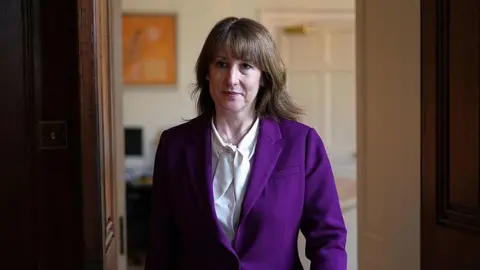
Chancellor Rachel Reeves has said she is "clear eyed" about the current situation and her response to it.

In essence, the government is in something of a holding position for now – conscious of how squeezed so many people feel, but conscious too that the biggest determinants of how this plays out and the impact it has are impossible to be certain about: how long the conflict goes on and how severe it becomes. In particular, does oil start flowing freely again through the Strait of Hormuz in the Gulf – or does it not?

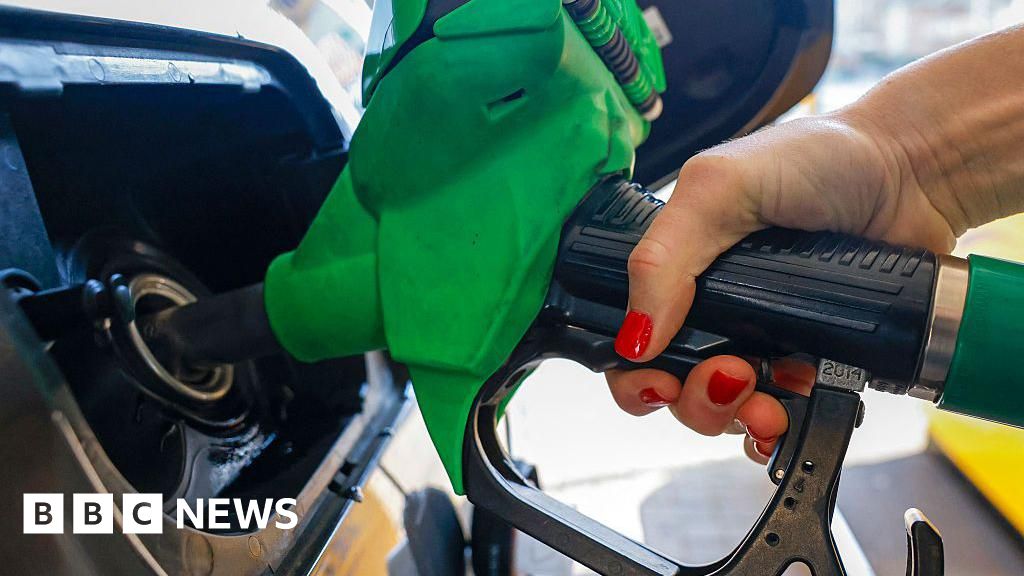
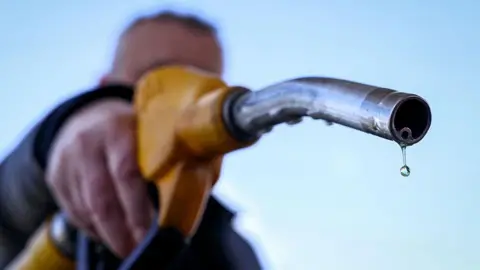
In the meantime, petrol prices for many have shot up - expect to see Reform UK to have something to say about this on Tuesday - and MP after MP has raised with the government the spike in costs of heating oil, used by many homes that are not on the gas network.

Plenty in rural Britain and a huge proportion of households in Northern Ireland are affected. Ministers have said publicly they are worried people are being ripped off. But folk I speak to in the industry say they themselves are "price takers" and very few have significant storage capacity – so they are instantly exposed to rises in the wholesale price and these costs get passed on to consumers.

MPs have a chance to meet a Treasury minister on Wednesday to raise their concerns.

More broadly the chancellor has pointed to the energy price cap which is in place until the end of June and limits the cost of electricity and gas.

I was intrigued by a comment by former Chancellor Sir Jeremy Hunt in the Commons. He said when he was doing Rachel Reeves' job, the Treasury's "rule of thumb" was that "a 20% increase in energy prices meant 1% more on inflation and 0.5% less on growth."

Let us see how things play out in the coming days and weeks.

Plenty will hope that the war comes to an end soon and, as far as the economic consequences are concerned at least, oil starts flowing freely again soon. If that were to happen, the impact on wallets and bank balances here might be limited and short-lived.

But from the UK's perspective, including those at the top of government, they have limited if any influence over how long this all goes on.

In the meantime, the issue Prime Minister Sir Keir Starmer has been desperate to talk about every week of this year so far – but has so often struggled to be heard above the din of events at home and abroad – is once again flashing red for millions of families already struggling: the cost of living.

In just the last few years, there has been the pandemic, Russia's full-scale invasion of Ukraine and now this.

Two hugely consequential moments on so many levels, including economic, and the growing reality now of a third with broad, profound implications – and potentially big impacts on family bills and budgets.

The US president's comments lead to a drop in crude costs and a rebound in shares.

Concern has grown for team after one critic called them "wartime traitors" for failing to salute during the Iranian anthem.

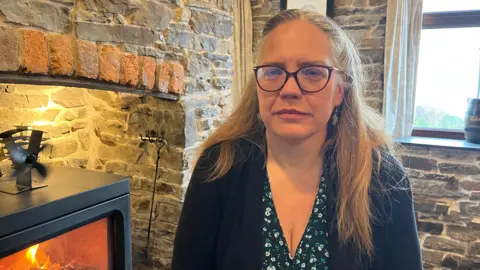
Landlady Lara Sproson-Jones counts the cost of a conflict that is far from her Shropshire premises.

The chancellor said a meeting on Wednesday will explore ways to help households.

The war's price, measured in damage to the economy and in political costs to Trump, is still coming into view.