yahoo Press
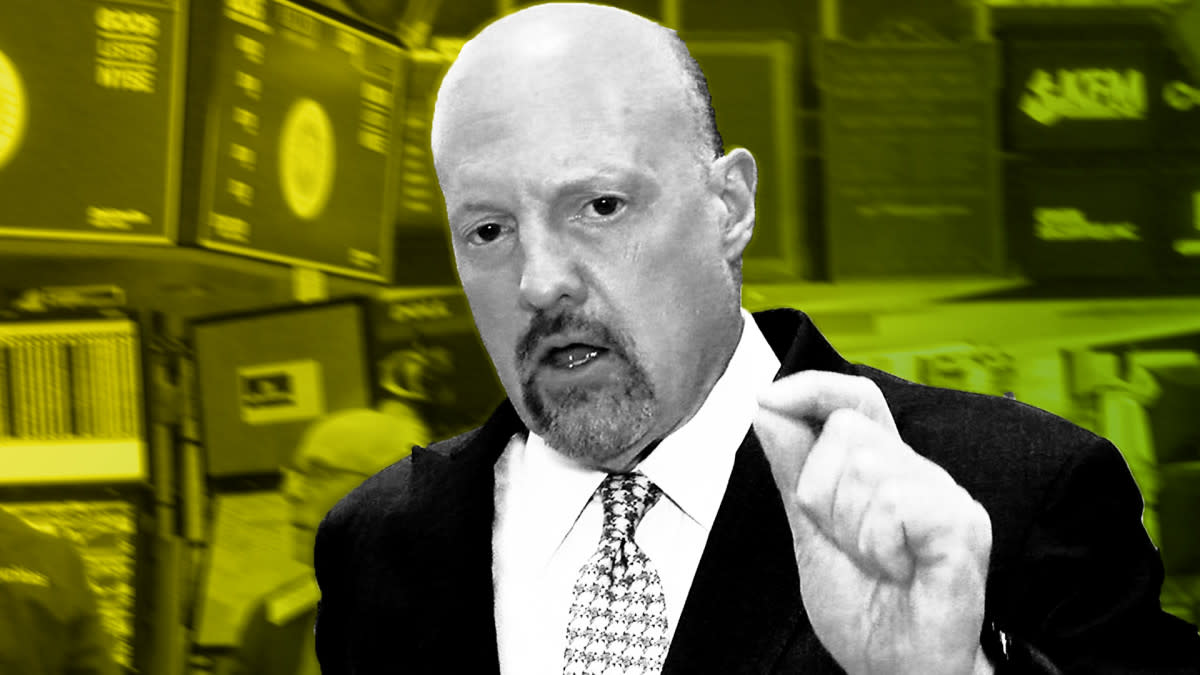
Jim Cramer sees no path to de-escalation in U.S.-Iran war
Images
1 / 4
2 / 4

3 / 4

4 / 4
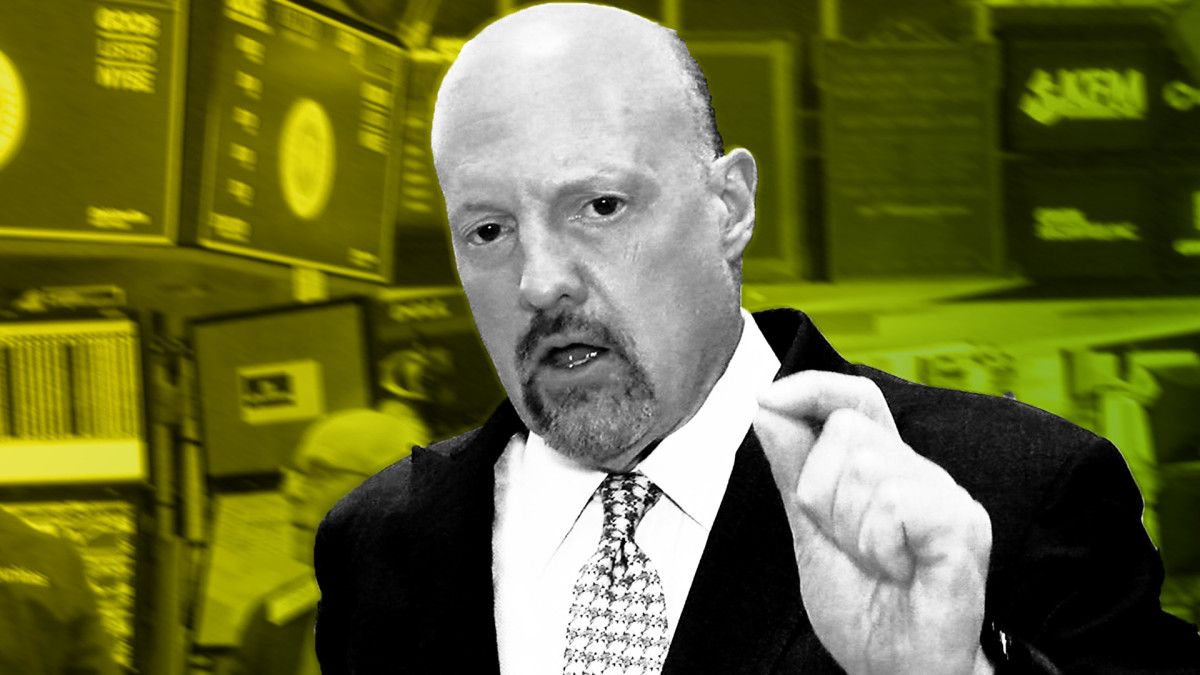
CNBC "Mad Money" host Jim Cramer has been commenting on the markets for decades.

But it is not his commentary that people watch. It is the effects it can have on the markets.

And perhaps for the first time in a long while, his comments are offering a sense of hope to investors looking beyond the charts.

Related: Iran’s Hormuz shutdown puts major economies at risk

The conflict between the United States, Israel and Iran has expanded far beyond the three countries directly involved. The war, which began on Feb. 28 when the United States launched "Operation Epic Fury" against Iran, entered its tenth day on March 9.

Ayatollah Ali Khamenei’s son, Mojtaba Khamenei, has been officially named Iran’s new supreme leader after his father was reportedly killed in airstrikes earlier this week.

Iran has continued retaliating against U.S. and Israeli strikes by targeting American military bases across the Gulf region. Several neighboring countries, including the United Arab Emirates, Saudi Arabia, Bahrain, Oman, Qatar and Israel, have been hit by Tehran’s missiles and drones, resulting in civilian casualties.

Financial markets have reacted sharply as geopolitical tensions escalate, with volatility reaching new highs.

Crude oil prices have surged above $100 per barrel. Meanwhile, gold is struggling to maintain its reputation as a safe-haven asset after falling to $5,082.34 per ounce. Just days earlier, on March 4, gold had climbed above $5,400 per ounce.

In the cryptocurrency market, Bitcoin led the initial downturn, briefly dropping close to $63,000. The asset has since recovered and is trading within a range between $67,000 and $69,000. Bitcoin briefly crossed $70,000 on March 5, reaching a high of $73,669 the same day.

Major altcoins such as XRP (XRP), Ethereum (ETH) and Solana (SOL) have also experienced similar volatility amid the broader market uncertainty.

Dubai issues cease-and-desist notice to crypto exchange

World Uncertainty Index hits record high, surpassing 2008 level

Jim Cramer has one-word response to new Robinhood IPO

The comments appeared after a U.S. attack struck a freshwater desalination plant on Iran’s Qeshm Island near the Strait of Hormuz. This disrupted water supplies in 30 villages, according to Iranian Foreign Minister Abbas Araghchi.

Barely 24 hours later, Bahrain's Interior Ministry said that Iran struck its desalination plant.

Intentional attacks on civilian water infrastructure are banned under international humanitarian law. Article 54 of Additional Protocol I to the Geneva Conventions specifically safeguards drinking water facilities, and deliberately targeting them may qualify as war crimes under the Rome Statute of the International Criminal Court.

Before this, Iran has been retaliating for attacks on its oil facilities and civilian sites by launching drones and missiles targeted at important infrastructure like oil facilities, consulates in the U.A.E., and Saudi Arabia.

On March 8, Cramer wrote on X,

"Fear tonight of more energy infrastructure targeting and no way to open the Strait. A sudden oil shock is always bad for stocks. Can 2022 repeat? Could it be worse...My Sunday piece draws the parallel. I don't see a path to de-escalation."

The Russia-Ukraine war that began in 2022 saw similar escalations, with critical infrastructure becoming war targets. As a result, global energy and commodity markets were disrupted, with the S&P 500 falling about 19% Nasdaq falling to 33%.

Oil prices also jumped above $120 per barrel. Bitcoin fell from around $47,000 in March 2022 to below $16,000 by November as macro pressure increased.

However, if the concept of Inverse Cramer is to do its magic one more time, Cramer's comments become more hopeful.

Inverse Cramer is a trading strategy where investors do the opposite of what Jim Cramer recommends, based on the belief that his market calls often signal the opposite outcome.

Traders commented on renewed hopes of stock markets improving post the comments.

At press time on March 9, Nasdaq 100 futures was still in the red, down 1.15%. S&P 500 futures was down 1.10% while Dow Jones Futures was trading 1.25% lower.

Meanwhile, Bitcoin was trading at $67,812.89, having dropped 0.6% in the past 24 hours, as per CoinGecko.

Ethereum was up by 2.2%, trading around $1,995.50. XRP was down by 0.6% and trading at $1.35. Solana climbed by 1% overnight to trade at $83.63.

Related: Jim Cramer blames Bitcoin crash for S&P 500 sell-off

This story was originally published by TheStreet on Mar 9, 2026, where it first appeared in the MARKETS section. Add TheStreet as a Preferred Source by clicking here.