yahoo Press
The Missouri Model Tackles the “Feral Swine Bomb”: Why Banning Hunting Saves Land
Images
1 / 16
2 / 16

3 / 16

4 / 16

5 / 16

6 / 16
7 / 16
8 / 16
9 / 16
10 / 16
11 / 16
12 / 16
13 / 16

14 / 16

15 / 16

16 / 16
The post The Missouri Model Tackles the “Feral Swine Bomb”: Why Banning Hunting Saves Land appeared first on A-Z Animals.

The Feral Swine Bomb is the term to describe the millions of feral pigs that live in 39 states across the nation.

The Missouri Model identifies why public hunting of feral pigs only increases their population.

Evidence suggests that banning hunting on public land and prohibiting the transport of feral pigs leads to a faster reduction in invasive swine populations.

Missouri has reduced the state’s feral pig population by 84% in less than a decade.

Feral pigs cost the United States upwards of $1.6 billion each year. Farmers have stopped planting particular crops because the pigs only root them up. Populations are such that if 70% of feral pigs are not culled annually, the population will increase. For many states, it feels like feral pigs consistently have the upper hand and cannot be defeated.

One state has taken a unique approach to reducing the number of feral pigs roaming its land. Missouri placed a ban on hunting. Though the approach seems counterintuitive, it has been successful in reducing the invasive species. Surrounding states may want to take note and follow The Show Me State’s lead.

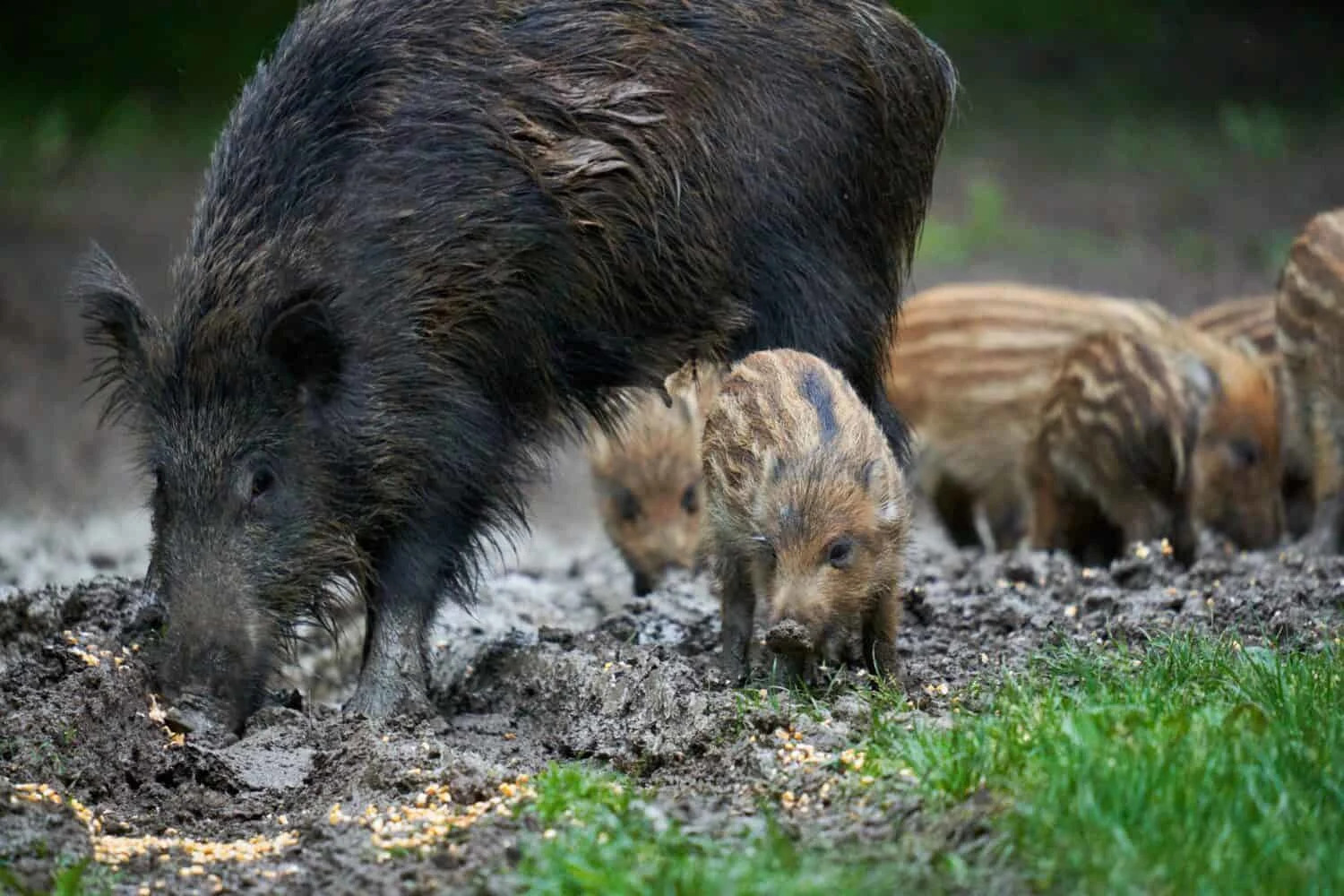
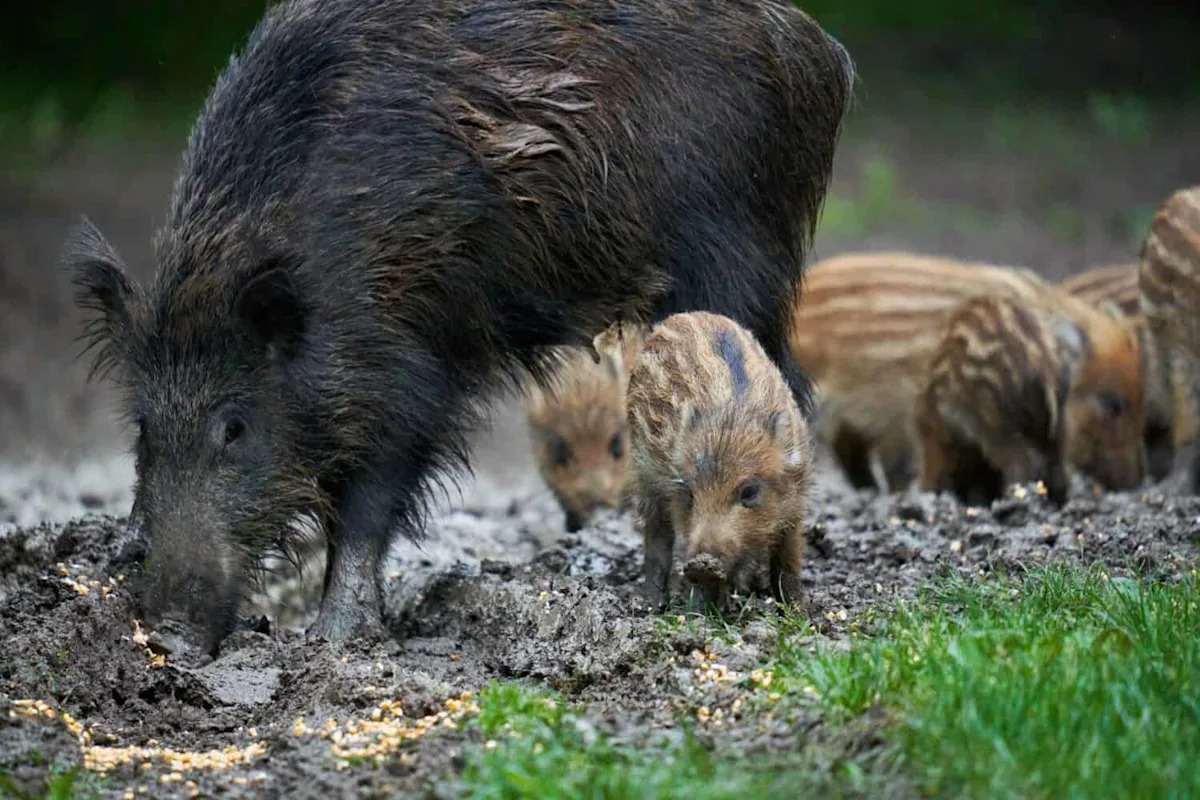
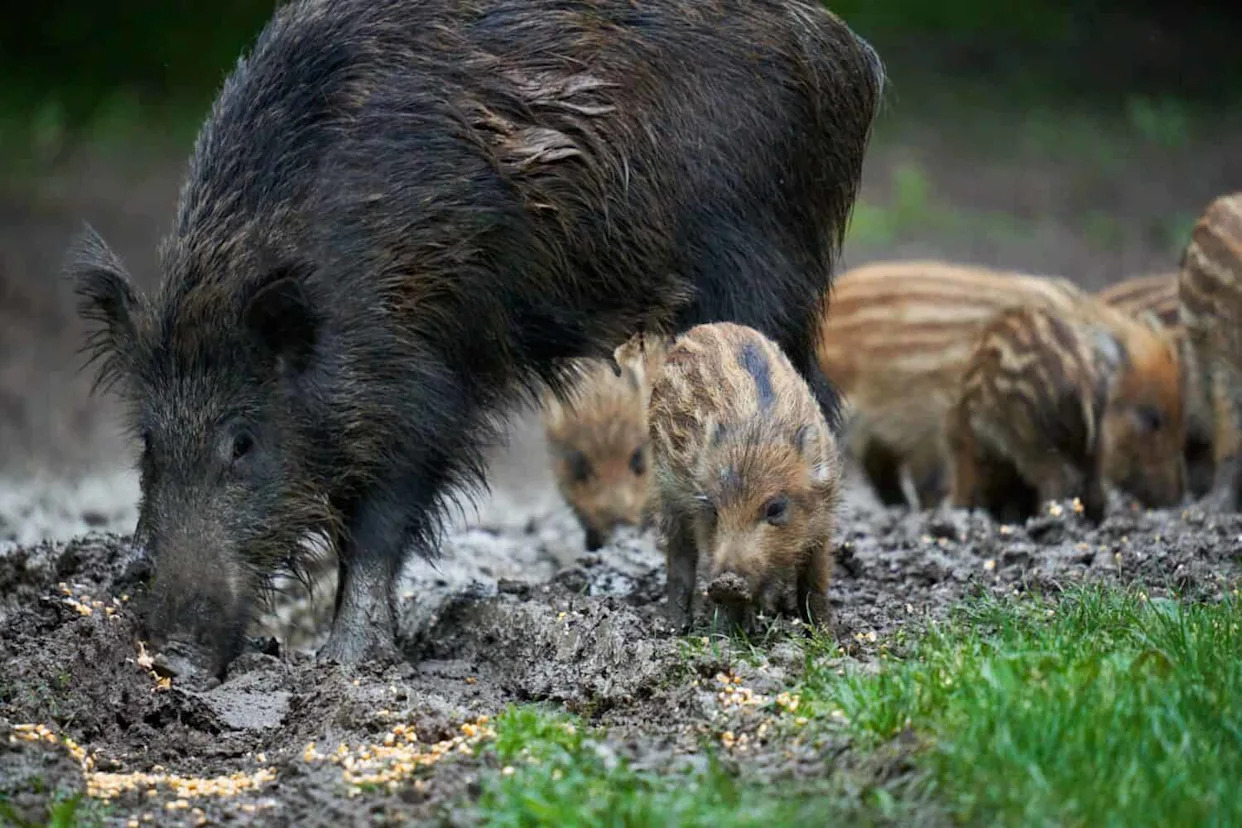
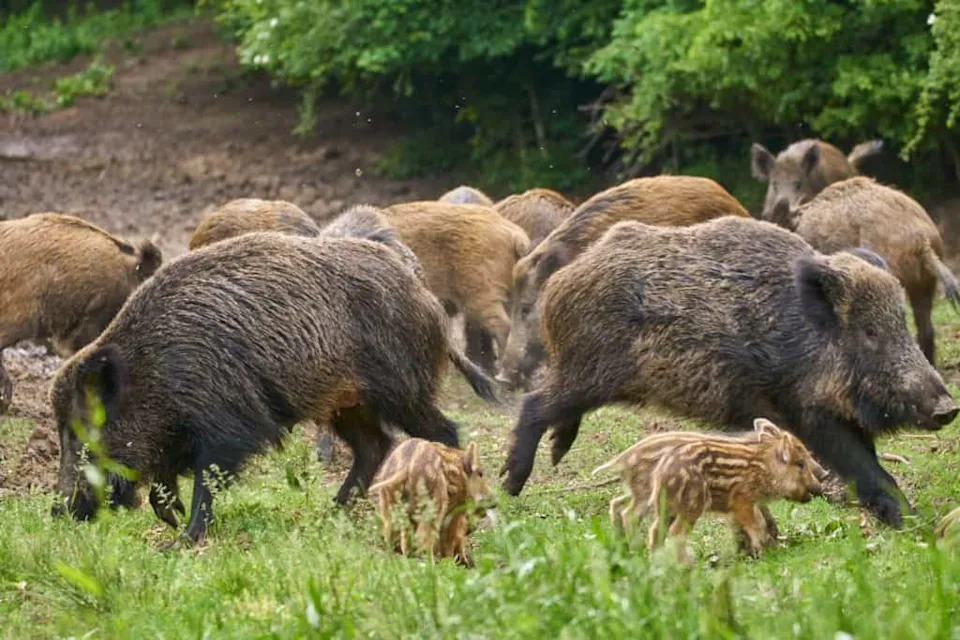
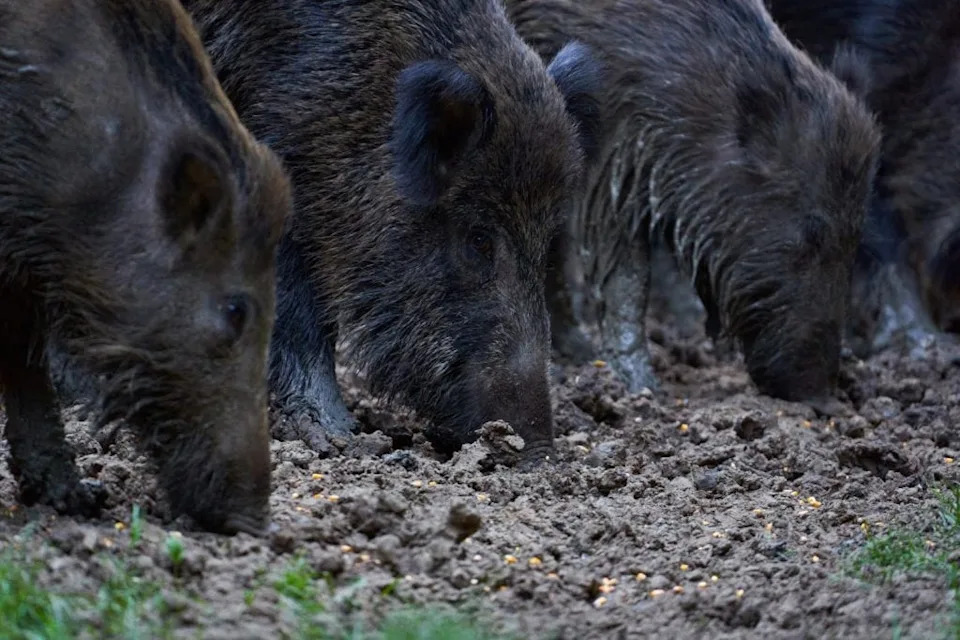
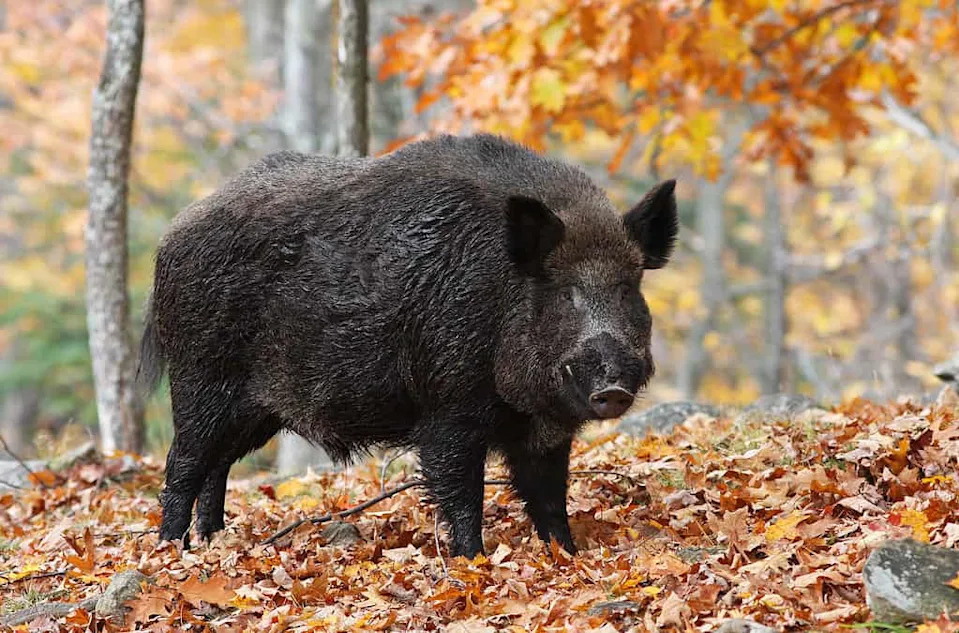
The feral swine bomb is exactly what it sounds like: the rapid expansion of feral pigs, who are descendants of wild boars and domestic pigs, across the United States. Over the last few decades, the population has increased to an estimated nine million. That estimate only continues to grow annually, in part due to the number and size of litters female pigs have each year.

The population of feral pigs in the United States has grown to over nine million.

©Slatan/Shutterstock.com

In the 1990s, feral pigs were confined to just a few states. But as the populations grew, they expanded. Today, 39 states are dealing with feral pig issues that are problematic to the environment, the economy, and public health. Even feral pigs from Canada threaten to cross borders, which would make the situation exponentially worse.

To battle this problem, states are participating in professional culling programs while giving amateur hunters the green light to kill feral pigs. But with populations continuing to increase in most states, this plan is clearly not working. Missouri chose to take a different approach to battling the feral pigs; a choice that has served the state well.

Missouri recognized that feral pig populations were not decreasing, despite hunters having access to pigs on both private and public lands. Therefore, instead of continuing to pump money into a failing solution, state officials began thinking outside the box. The Missouri Department of Conservation examined what was working and what was failing in the battle against feral pigs. They reached out to 15 organizations that provided input on the situation, effectively changing the state’s plan of attack against the invasive feral pigs.

Though the Missouri Department of Conservation was armed with a plan, the organization could not be successful on its own. To be successful, it needed the cooperation of other entities, leading to the creation of an incident command system (ICS) that included the following:

U.S. Fish and Wildlife Service

Missouri Farm Bureau

U.S. Army Corps of Engineers

Wildlife Services

Nature Conservancy

Private landowners

U.S. Forest Service

National Park Service

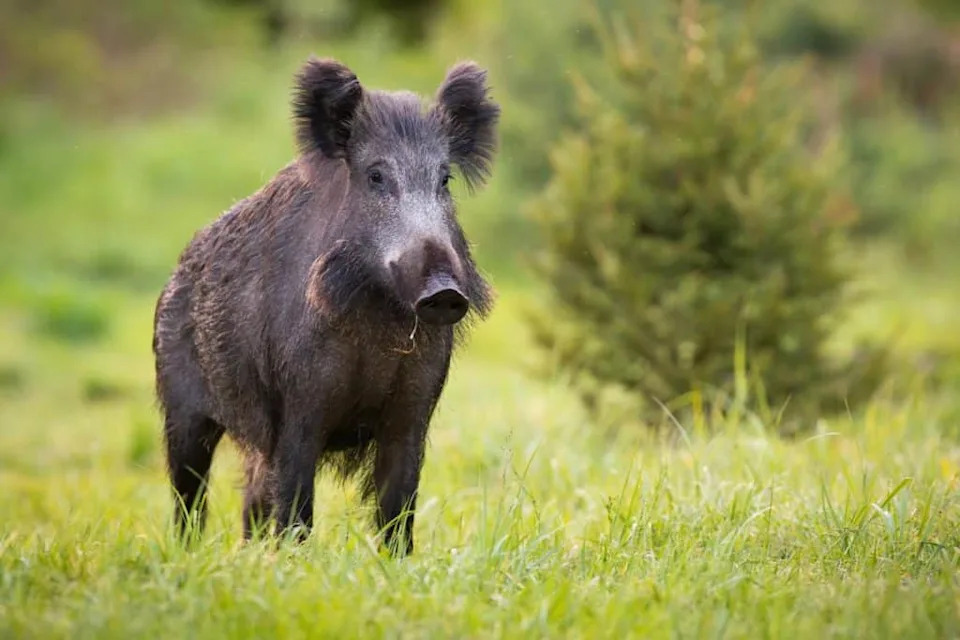
Missouri has created a permanent professional team with members from 15 organizations to combat the state’s feral pig population.

©Slatan/Shutterstock.com

Each agency shared information and granted each other the authority to cross into fellow jurisdictions to combat feral pigs. The organizations divided the state of Missouri into grids to determine where to target and cull the largest number of feral pigs. Agreements with neighboring states allowed the ICS to cross state lines in pursuit of the animals.

Rather than relying on average Missouri citizens, the plan involved a permanent team of professional hunters. In fact, general hunting was banned on public land. This led to real progress in places like the Mark Twain National Forest, which was once ground zero for feral pigs. With a full-time team addressing the problem, and local police enforcing hunting and transportation laws, the pig population saw significant reduction.

By treating the problem as a state emergency, Missouri gained the upper hand, creating a blueprint for other states to follow.

Like so many other states, Missouri was once desperate to reduce feral pig populations due to financial loss, disease spread, and agricultural damage. The state encouraged all interested hunters to participate in culling feral pigs, with no limit on how many could be bagged. This led to guided hunting trips and other hunting-related operations becoming financially lucrative.

Feral pig hunting was once encouraged in Missouri, both on public and private land.

©WildMedia/Shutterstock.com

On any given day, guided hunts on private ranches cost $400 to $1,200 per person. (Today, in states across the nation, that figure is up to $3,000 per person.) Many people became wealthy quickly thanks to feral pigs. However, the lucrative nature of the hunts provided incentive for an ongoing supply of feral pigs. Afterall, the more feral pigs spotted on a hunting trip, the more inclined hunters were to return or refer the company to their friends.

This thinking led to the destruction of traps and the transport of feral pigs to regions of the state where they had not been seen before. The population of feral pigs worsened, eventually leading to the formation of the ICS and a ban on the transportation of feral pigs.

By 2007, it became clear that the practices of the past were not effective at reducing the population of feral pigs in Missouri. The Missouri Department of Conservation looked for ideas from government agencies, private landowners, and conservation groups. The Feral Hog Elimination Partnership formed in 2015 and the ICS followed.

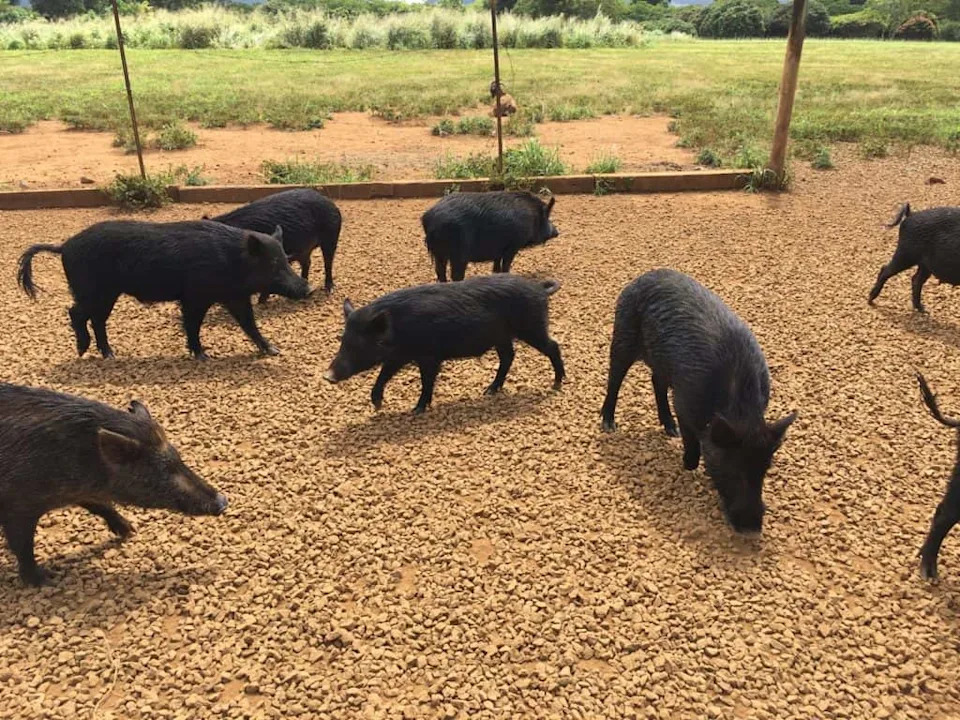
It is illegal to transport feral pigs in Missouri to continue decreasing their population.

©Carolyn Croyle/Shutterstock.com

Despite the hunting ban, feral hogs were still being transported across Missouri. While in transit, some of the pigs escaped, going on to mate and increasing the population.

To combat this, a law took effect in 2021 banning the transport of feral pigs throughout the state. The legislation proved effective in reducing the pig population. Between the new transport ban and ICS culling thousands of wild pigs each year, the feral pig population dipped to low numbers not seen in decades.

Unlike other states that have only seen a rise in feral pig populations, Missouri has successfully reduced its numbers. The state has seen tremendous declines in not only how many feral pigs live in the state, but also in how much land the pigs inhabit.

Since ICS began the Feral Hog Elimination Project in 2016, the population has decreased by 84%. This is largely attributed to trapping and aerial operations.

The number of feral pigs culled over the last several years is as follows:

2022: 6,289

2023: 7,880

2024: 5,105

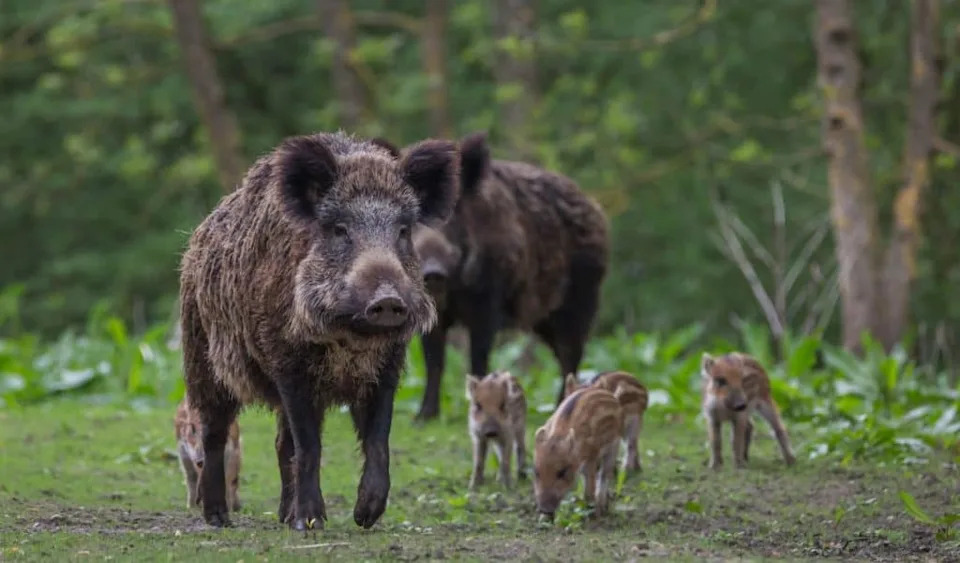
The number of feral pigs culled each year continues to decline, indicating a shrinking population.

©Randy van Domselaar/Shutterstock.com

The numbers for 2025 have yet to be released. However, it is anticipated that they will reflect a dwindling population.

In addition to fewer feral pigs in Missouri, there is less land occupied by the pigs. Significantly less. In 2016, the pigs could be found across more than 11.2 million acres. By 2025, that number shrunk to 2.9 million acres, saving millions of acres used for agriculture in less than a decade.

By continuing to the current plan, the pig population will remain at more manageable numbers. While feral pigs will likely never be eradicated from Missouri, they will not cause the high levels of agricultural damage, financial problems, or disease spread that they once did just a few short decades ago.

When the ICS was founded, it was unclear if feral pig hunting would be allowed by the public.

Feral pig hunting is not only allowed, but it can also be done year-round in Missouri. However, several rules and regulations must be followed that were not applicable just a few years ago. Check both state and county guidelines before hunting.

Feral pigs can be hunted on private property with the proper licenses and permits.

©Mircea Costina/Shutterstock.com

The rules and regulations to follow when hunting feral pigs include:

Valid hunting license

Valid small game permit

Hunting is only permitted on public land, not private land

Bag limits do not apply in all areas, but it is recommended to check your specific location

Hunters that do not adhere to guidelines may be fined between $100 and $500. By simply knowing the regulations before hunting, you can avoid fines and enjoy the experience, all while helping reduce the feral pig population.

The post The Missouri Model Tackles the “Feral Swine Bomb”: Why Banning Hunting Saves Land appeared first on A-Z Animals.