buzzfeed Press
I Asked My 'Libertarian' Friend A Question About Trump. His Response Told Me Everything.
Images
1 / 7
2 / 7

3 / 7
4 / 7
5 / 7
6 / 7
7 / 7
"I truly believe it’s healthy to be friends with people you disagree with politically, but this wasn’t politics anymore. It was about morals and ethics..."

Going to school full-time and working nights as a security guard would barely cover the rent, and with a new baby in the house, it wouldn’t cover everything else. I needed a real paycheck, health insurance, and savings. I needed security.

I took a job in 2007 with a large corporation that had little to do with writing but paid well, had great benefits, and gave us some breathing room. I didn’t have a college degree, but the leadership skills I learned and honed in the infantry opened doors and allowed me to make a comfortable living. As an added bonus, I worked with some really great people and made friends there that I still talk to regularly, even though I no longer work for the company. One of those people was Zach.

Zach and I hit it off right away. We had similar backgrounds. We had both served in the military and been deployed to Iraq around the same time. We both had young families, similar tastes in music, and the same dry sense of humor. It made going to work, if not fun, at least not miserable.

One place we didn’t always see eye to eye was politics. While we both had a libertarian slant to our views, mine was shaped more by personal freedoms and civil liberties, while his leaned further right. He opposed government regulation even when it came to safety and workers’ rights.

Zach and I had endless debates over beers about the line between freedom and the collective public benefit of laws meant to protect workers. He would argue that these issues should be settled in court, not by government intervention. I would counter by asking whether he really thought a worker had a fair shot in court against a large corporation if they couldn’t afford a good lawyer and the company could hire as many high-powered attorneys as it wanted.

We talked about the problems I saw with a pure libertarian political philosophy, and I would bring up examples like the Triangle Shirtwaist Factory fire. Sometimes I thought I made headway. Sometimes he did. At the end of the day, it didn’t really matter. We were friends.

When I was growing up in Texas in the ’80s and ’90s, this kind of disagreement felt normal. People either avoided politics entirely or treated it as something you could argue about without blowing up relationships. Neighbors who were Democrats would have the Republicans next door over to play cards, talk politics, and crack jokes at each other’s expense. Nobody would get offended, and nobody probably changed anyone else’s mind, and then the night would end with a friendly goodbye and a promise to do it again next weekend. There wasn’t much hate or vitriol among the folks I was around. It wasn’t like today.

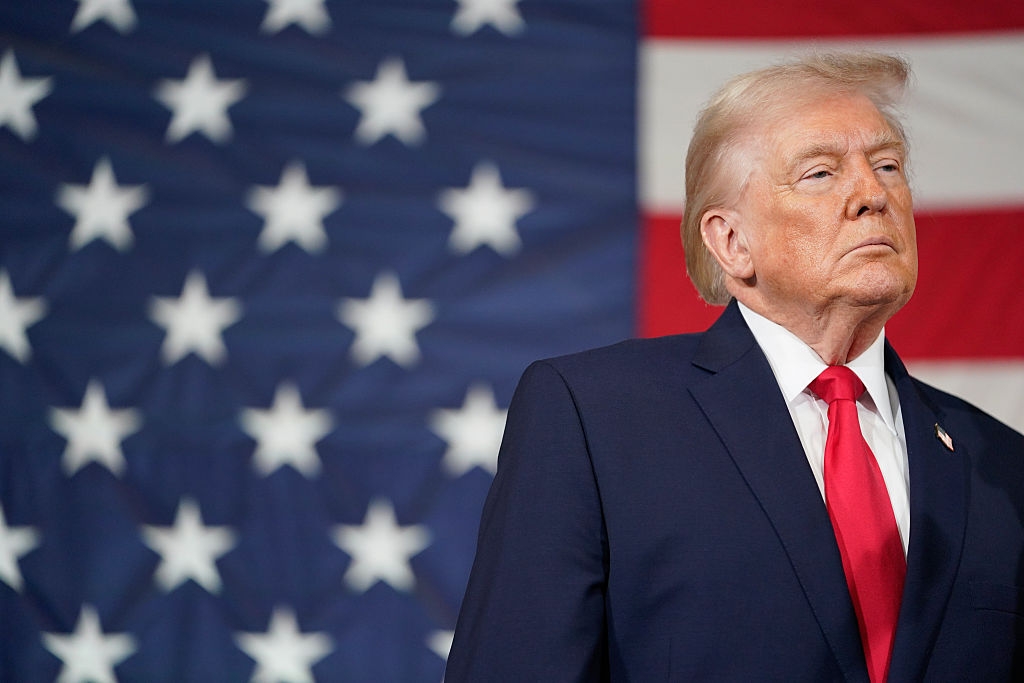
Zach was on board the Trump train from the jump. I wasn’t. I admit I wasn’t as alarmed as some of my other friends were about Trump’s rise to power, but I still saw him as a dangerous would-be strongman, unqualified in temperament or experience. I respected John McCain, even when I disagreed with him politically, and when Trump, a draft-dodging rich kid, mocked McCain’s military service and imprisonment in June 2015, I immediately wrote him off as a crude, petty clown. I assumed the rest of the country — especially my fellow veterans — would feel the same way. I was wrong.

Zach and I discussed the appeal of an outsider shaking up Washington plenty of times. I usually ended those conversations by saying it could be dangerous if someone reckless were elected — that maybe slow, boring governance was actually better. Zach disagreed. He wanted things shaken up ... even if some things got broken.

Despite my growing alarm over Trump — his corruption, his rhetoric, and his hunger for power — I stuck to my promise not to let politics interfere with personal relationships. Zach and I stayed friends, but the debates grew sharper. I had to work to keep my anger in check. I told myself he just didn’t see what was happening, because if he saw it and accepted it, that was something I couldn’t accept, and I wasn’t ready to confront that.

Fast forward to Jan. 6, 2021. Zach and I were at work when the news broke about the insurrection at the Capitol. The mayhem played on a TV in the conference room. Most of us watched in horror. Though Zach wasn’t exactly celebrating, he didn’t seem appropriately disturbed either. I couldn’t understand how a veteran who had sworn the same oath to the Constitution that I had could watch police officers being assaulted and people threatening to hang the vice president and treat it as anything but catastrophic.

Zach and I stayed friendly, mostly because we still worked together. We talked at the office and sometimes grabbed a beer after work, but it wasn’t the same anymore. Something had shifted after Jan. 6, at least for me, and I couldn’t pretend it hadn’t.

Zach didn’t like Joe Biden. He wasn’t my first choice either, but I voted for him because I viewed the alternative as an existential threat to the republic. Policy suddenly felt secondary to the question of whether the system itself would survive, and once I understood that, certain decisions stopped being complicated for me.

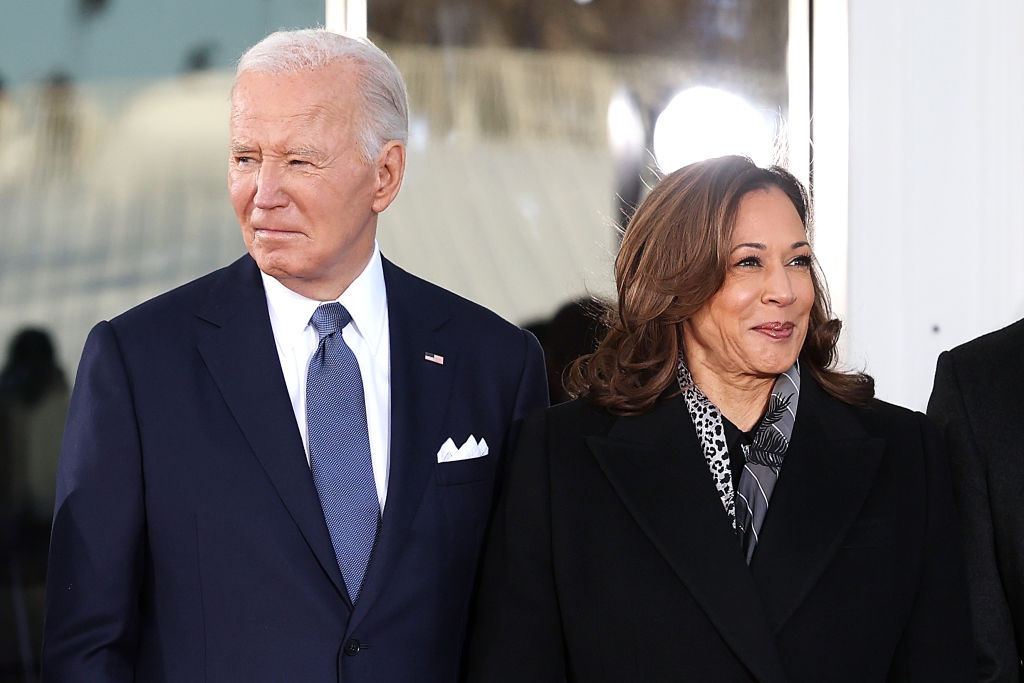
That didn’t change in 2024. Another imperfect Democratic candidate. Another choice that felt clear to me. I voted for Kamala Harris without hesitation. She probably wouldn’t have been at the top of my list in a competitive primary, but by then, insisting on a perfect candidate was an antiquated luxury we could no longer afford.

We can argue about why he won again. The economy mattered. The Democratic Party’s failures mattered. In my mind, none of it came close to explaining the continued support for Trump after everything we knew, everything we’d seen, and everything he promised to do.

By then, Zach and I no longer worked together, and I’d quit drinking. There were no more beers after work. We texted occasionally, talked now and then, but it wasn’t like the old days. And when it became clear he was still trying to somehow justify what Trump was doing, I stopped responding.

Then the ICE raids escalated. Masked, unaccountable agents swept through American cities, violating due process, arresting people without warrants, profiling individuals based on the color of their skin and the language they spoke, and two American citizens were killed in broad daylight. We were told not to believe what we clearly saw with our own eyes and were assured by the administration that no one would be held accountable.

Zach was still sending me occasional texts like nothing had changed. Ignoring him wasn’t enough for me anymore.

I finally called him back one day and asked whether he supported what was happening. He hedged. He said he didn’t like it when people got hurt, but quickly fell back on the same lines we were hearing from the administration: People shouldn’t ignore police commands. People shouldn’t be protesting in the streets. Filming agents was interfering with their work. If you refuse an order, whatever happens next is on you.

I asked how he could still call himself a libertarian while supporting the state crushing people for exercising their First Amendment rights. He didn’t have an answer. Sometimes silence tells you all you need to know. I kept pushing and we talked for another 10 minutes or so, but the rest of the conversation doesn’t matter.

What matters is that at the end, I explained to him why he needed to go ahead and lose my number.

Over the past few years, I’ve heard so many versions of this same story from other people. Friends who finally stopped returning calls. Siblings who no longer talk politics, or sometimes don’t talk at all. Parents that people still love but can no longer pretend to understand. A racist uncle who gets blocked on social media. Thanksgiving dinners that get skipped. None of it has been easy. Walking away from people you care about rarely is. But again and again, the conclusion sounds the same: at some point, continuing the relationship required excusing things they could no longer excuse.

And that’s OK. Not that you need my permission. Doors swing both ways for a reason — sometimes they need to be closed. We don’t have to compromise our ethics or excuse beliefs that cause real harm, no matter how close we once were to someone. Even if they were family. We don’t have to stay friends with everyone we’ve ever met.

Watching Zach slide from casual libertarianism into something that looks a lot like actual support for fascism clarified things for me. I don’t need those people in my life.

There’s enough information available to all of us now that ignorance is no longer a valid defense. If you can watch what’s happening to the Constitution, watch our friends and neighbors lose their lives, or see their rights trampled in plain sight, and still support the people responsible for all of it, that’s endorsement.

Looking back, I think I held on too long. I told myself I could change what someone believed, mostly because I knew that if I didn’t, I’d eventually have to make the decision to walk away for good. At some point, continuing to be friendly with someone who openly defends actions that violate our core principles and basic human rights becomes untenable. Impossible. I probably should have cut some people out of my life earlier than I did.

Some names have been changed to protect privacy.

Nick Allison is a writer based in Austin, Texas. His work has appeared in HuffPost Personal, CounterPunch, The Fulcrum, The Chaos Section, and elsewhere. Follow him on Bluesky @nickallison80.bsky.social.

This article originally appeared on HuffPost in February 2026.